Language
 English
 Español
 عربى
 Tiếng Việt
Content
- 1 Why Hospitality Projects Increasingly Specify Custom Leather Upholstered Sofas
- 2 Material Quality Standards: Leather, Frame, and Foam Specifications to Demand
- 3 Custom vs. Standard: What a Factory Must Deliver for Contract Projects
- 4 The Factory Evaluation Criteria for Long-Term Partnerships
- 5 Myths About the Custom Leather Upholstered Sofas Factory Selection Process
For hotel procurement managers and interior design firms sourcing for large-scale projects, the decision to partner with a custom leather upholstered sofas factory often hinges on more than aesthetics. A single order for a 200-room property might require 400 sofas, each with a specific foam density, seam alignment tolerance, and leather grade specification. The factory's ability to maintain consistency across that volume, while meeting fire safety certifications and delivery timelines, is the real measure of value.
Why Hospitality Projects Increasingly Specify Custom Leather Upholstered Sofas
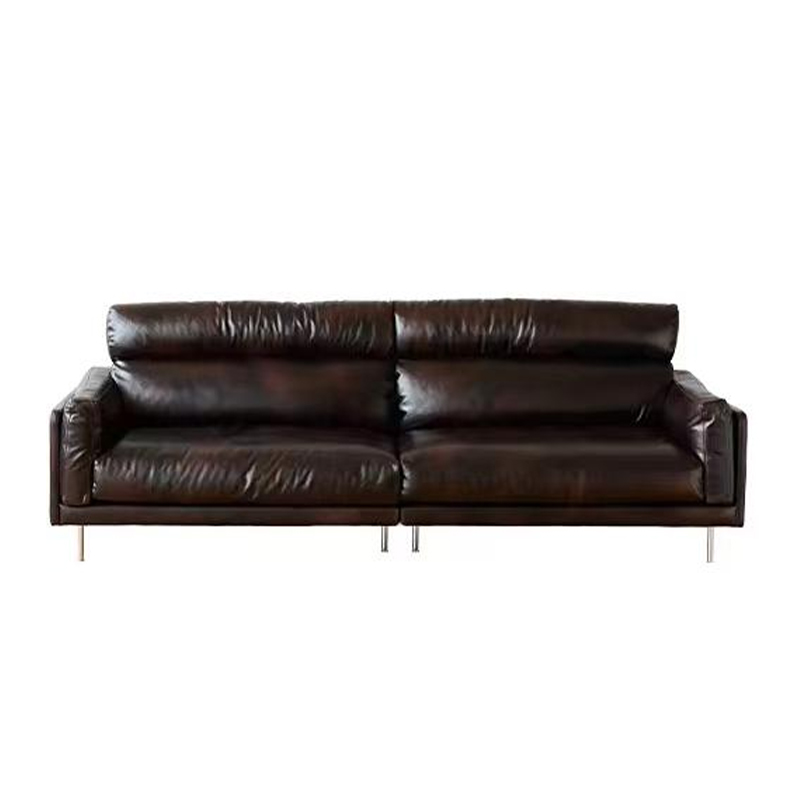
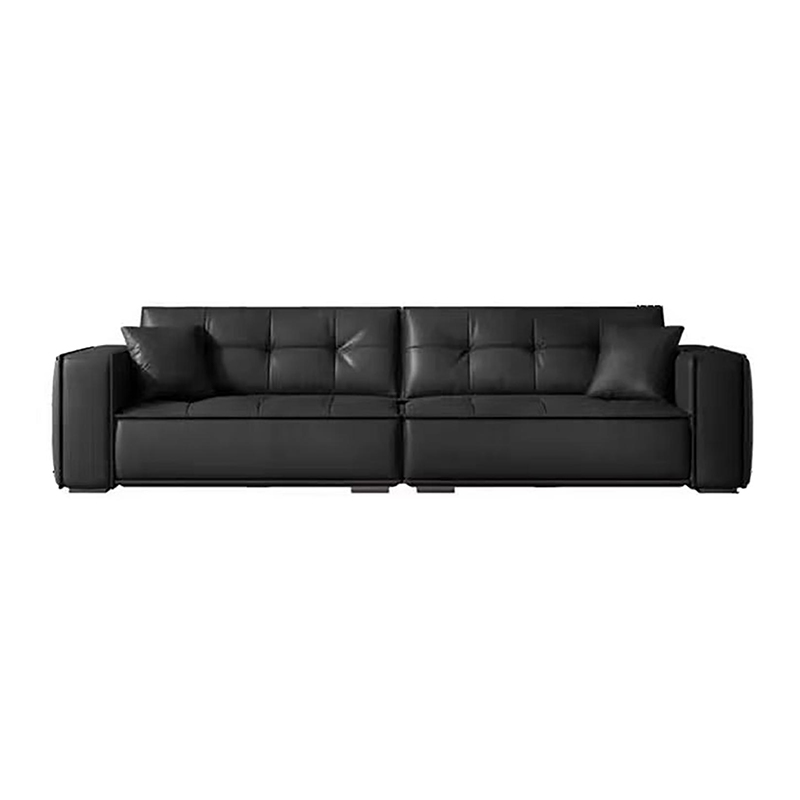
The global hospitality furniture market has shifted toward bespoke solutions because standardized, off-the-shelf sofas rarely survive the operational demands of hotel environments. A lobby sofa in a business hotel in Dubai may see over 1,200 sitting cycles per year. A standard retail upholstery frame using kiln-dried hardwood with a 1.5-inch foam core often begins sagging within 18 months under that load. When a custom leather upholstered sofas factory builds for contract use, the specifications change fundamentally. Frame joinery shifts from staples to dowel-and-glue construction. Foam densities move from 1.8 pounds per cubic foot to 2.5 or higher. Leather selection moves from corrected grain to top-grain or full-grain hides for abrasion resistance. These are not upgrades; they are baseline requirements for a five-year service life in commercial use.
Material Quality Standards: Leather, Frame, and Foam Specifications to Demand
The single most common mistake buyers make when evaluating a custom leather upholstered sofas factory is assuming that all leather sofas use similar materials. In practice, the cost difference between a sofa covered in faux leather and one upholstered in top-grain leather can exceed 300 percent. The performance gap is equally wide.
| Material Type | Abrasion Resistance | Typical Application | Relative Cost Factor |
| Faux Leather (PU/PVC) | 15,000–25,000 rubs | Budget guest rooms, short-stay | 1.0x |
| Corrected Grain Leather | 30,000–40,000 rubs | Standard hotel suites | 2.5x |
| Top-Grain Leather | 45,000–60,000 rubs | Luxury suites, lobby areas | 4.0x |
| Full-Grain Leather | 60,000+ rubs | High-traffic public spaces | 5.0x |
The frame and foam are equally critical. A factory that sources kiln-dried hardwood with a moisture content below 10 percent and uses corner-block reinforcement will produce a sofa that maintains structural integrity for over a decade. Foam density below 2.0 lbs/cu ft indicates the material will begin breaking down within two years under daily commercial use. The factory should provide written specifications for all three components during the quotation phase.
Custom vs. Standard: What a Factory Must Deliver for Contract Projects
A custom leather upholstered sofas factory capable of serving hospitality clients must manage variables that a residential furniture workshop does not. These include custom dimensions for non-standard floor plans, specific foam firmness levels for different user groups, seam placement relative to leather grain cutting, and fire retardancy compliance for the target market region. The 2023 International Building Code, for example, requires upholstered furniture in commercial occupancies to meet California Technical Bulletin 117-2013 or equivalent standards. A factory that treats fire retardancy as an optional add-on rather than a standard process cannot deliver compliant products for U.S. or European markets.
Standard Retail Production
- Fixed dimensions and styles
- Single foam density (1.5–1.8 lb)
- Stapled frame joinery
- Limited leather grade options
- No fire certification included
Contract Hospitality Production
- Bespoke dimensions per project
- Specified foam density (2.0+ lb)
- Dowel-and-glue reinforced frames
- Multiple leather grades offered
- Full fire certification compliance
The Factory Evaluation Criteria for Long-Term Partnerships
Evaluating a custom leather upholstered sofas factory for a multi-year project relationship requires looking beyond the initial sample. Buyers should assess the facility's production capacity, its leather inventory management system, and its track record with similar-scale hospitality projects. A factory that operates a dedicated leather cutting and stitching line for contract orders—separate from its residential production—typically delivers more consistent quality. The reason is simple: commercial upholstery requires tighter seam tolerances and more precise leather hide utilization. A factory that processes both types on the same line often sacrifices the contract specifications to maintain throughput.
- Production capacity for orders of 300+ units per month
- Leather hide inventory sufficient to match dye lots across the full order
- Quality control documentation including seam pull tests and foam density logs
- Existing reference projects with hotels or branded residences
- Lead time commitment of 45–60 days for typical contract volumes
Myths About the Custom Leather Upholstered Sofas Factory Selection Process
Several misconceptions persist among buyers who are new to contract furniture sourcing. One of the most common is the belief that a higher leather thickness always means better quality. In reality, leather thickness for upholstery is typically 1.0–1.2 millimeters for commercial use. Thicker leather above 1.4 millimeters becomes too stiff for consistent upholstery on curved sofa frames and can crack at stress points. Another myth is that a factory's minimum order quantity reflects its quality level. A factory that insists on a 100-unit minimum is often simply using that threshold to protect its production flow, not to ensure quality. The best indicator of a factory's capability is its willingness to produce a single pre-production sample for approval before the full run begins.