
 Language
 English
 Español
 عربى
عربى Tiếng Việt
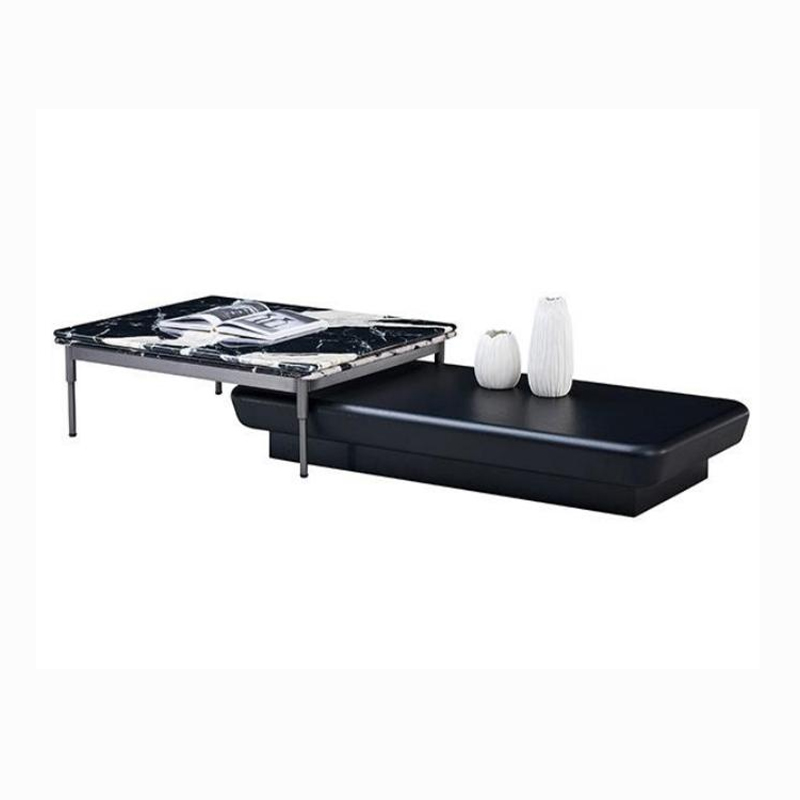
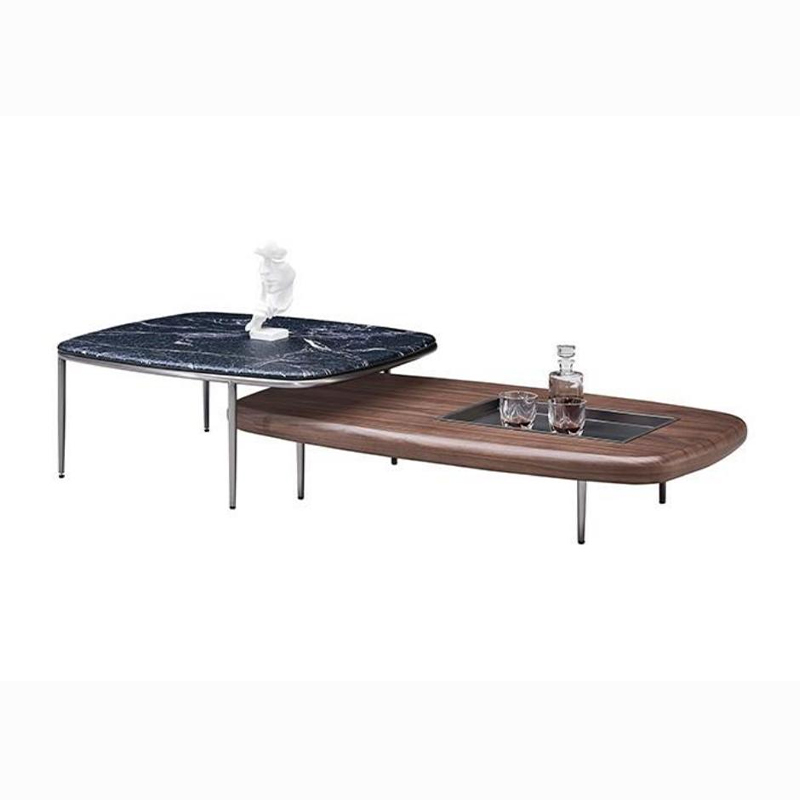
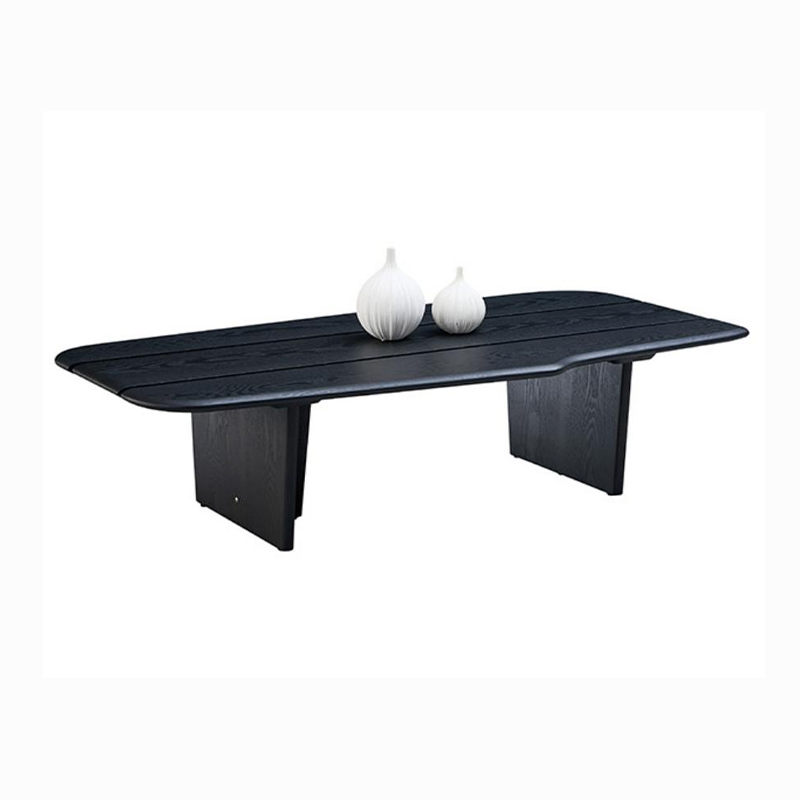
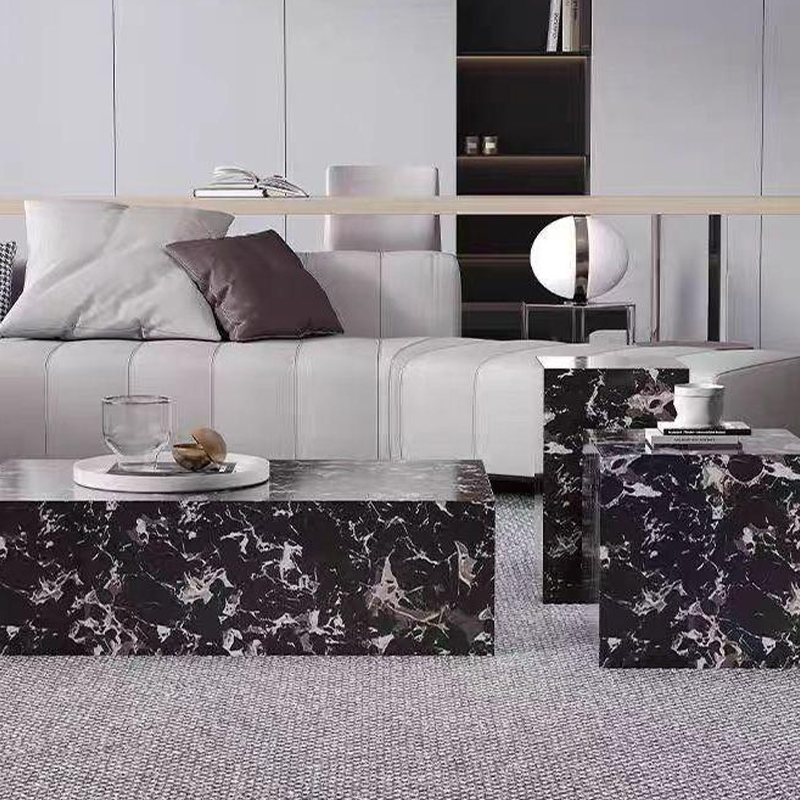
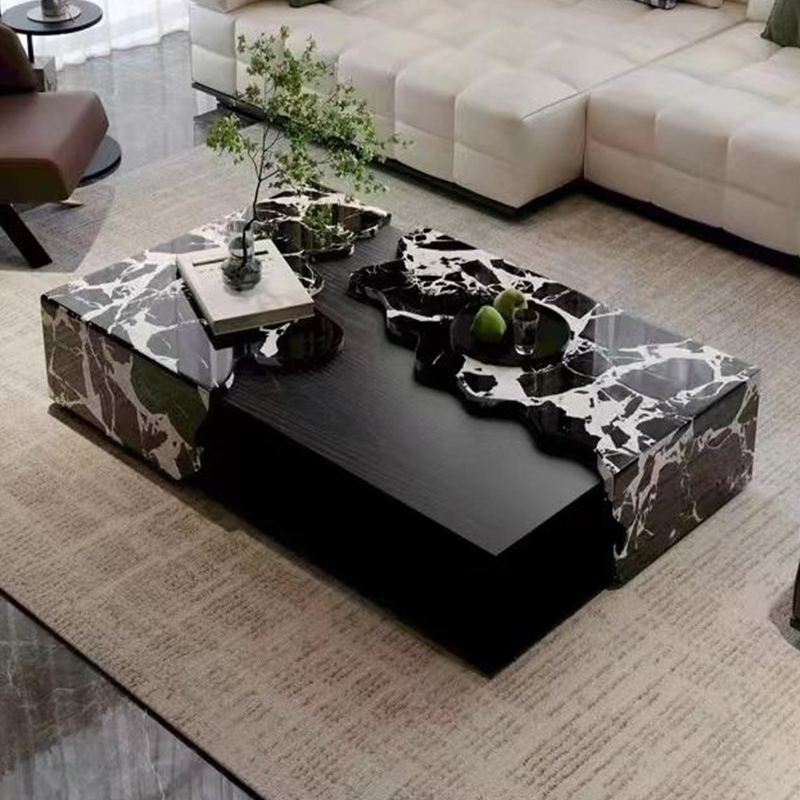
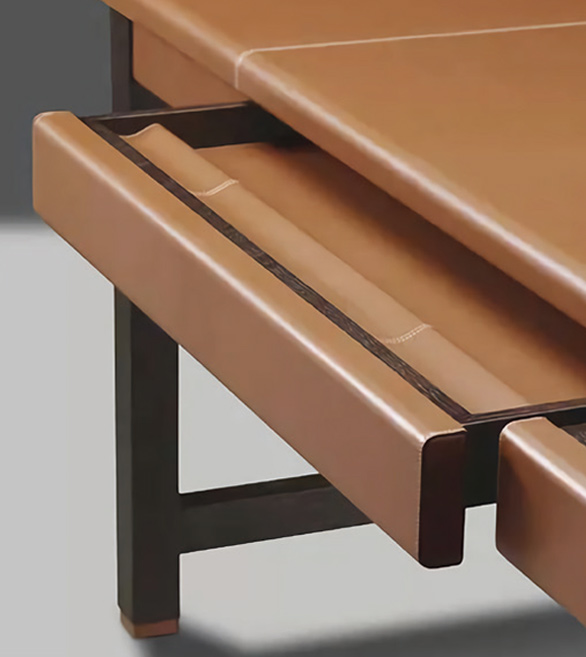
Rectangular Coffee Tables
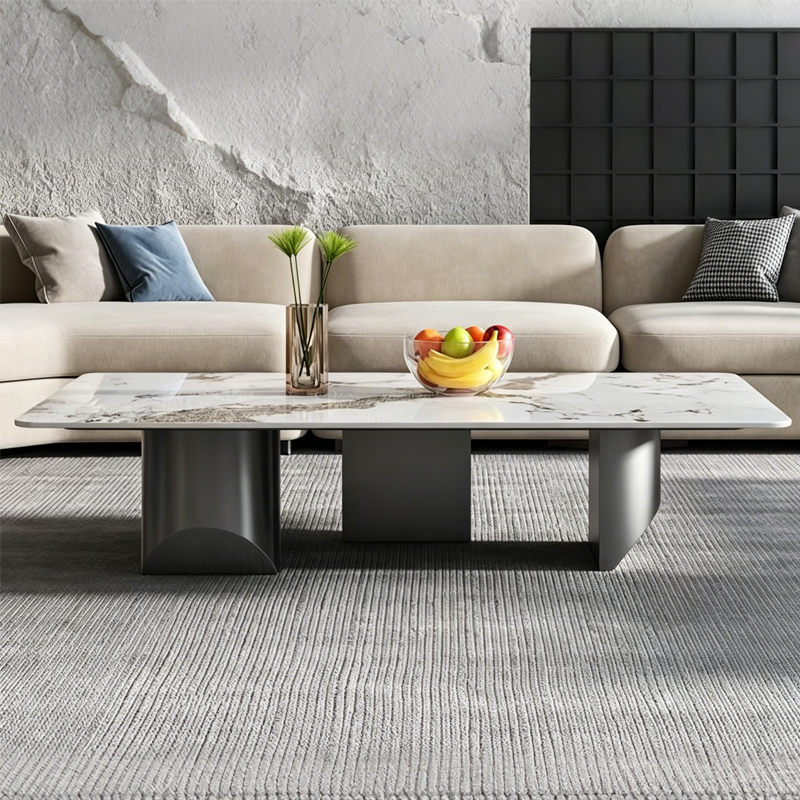
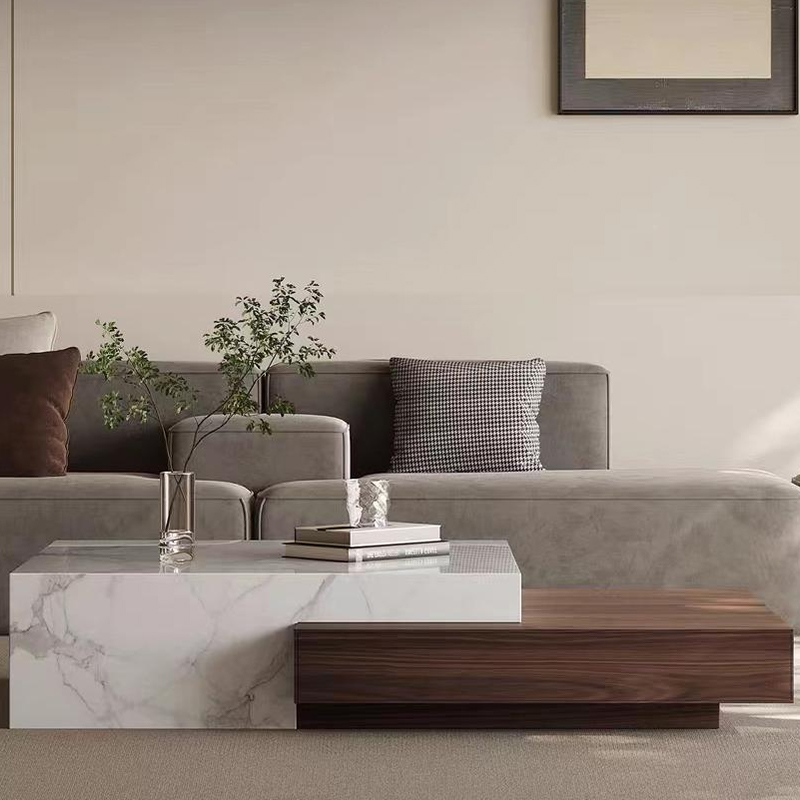
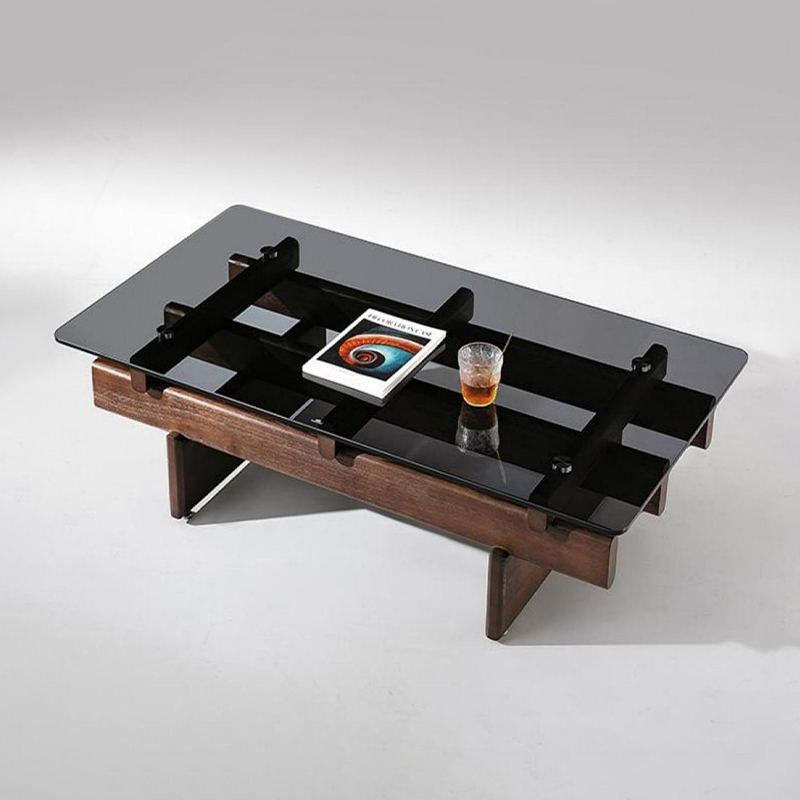
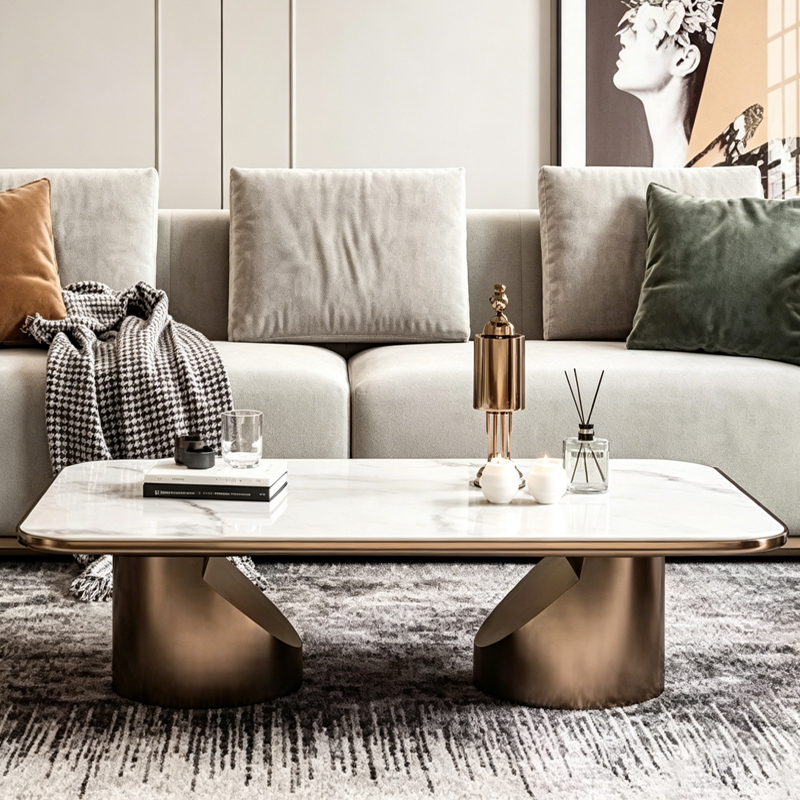
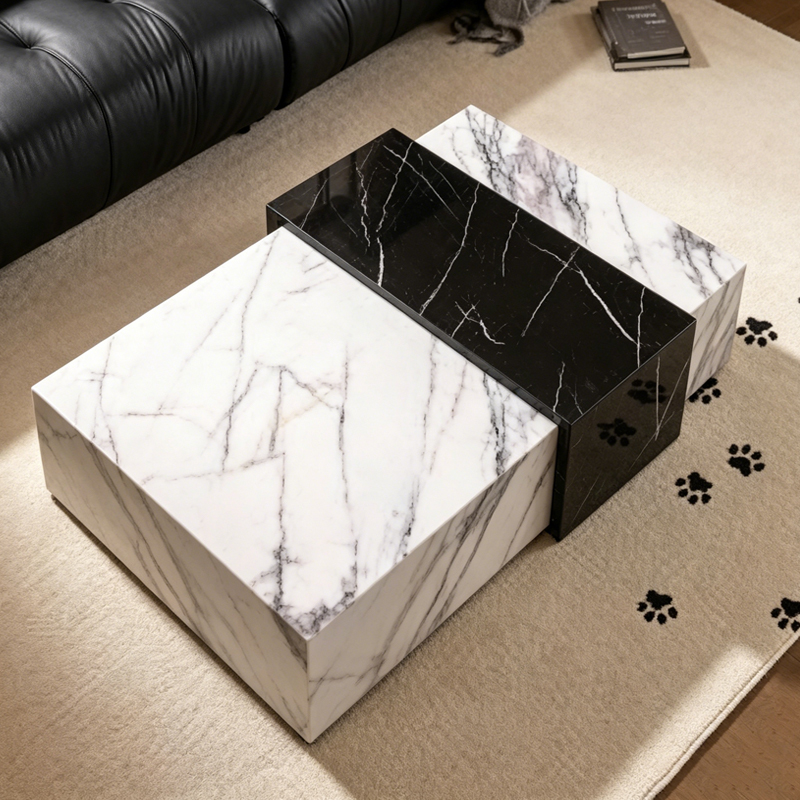
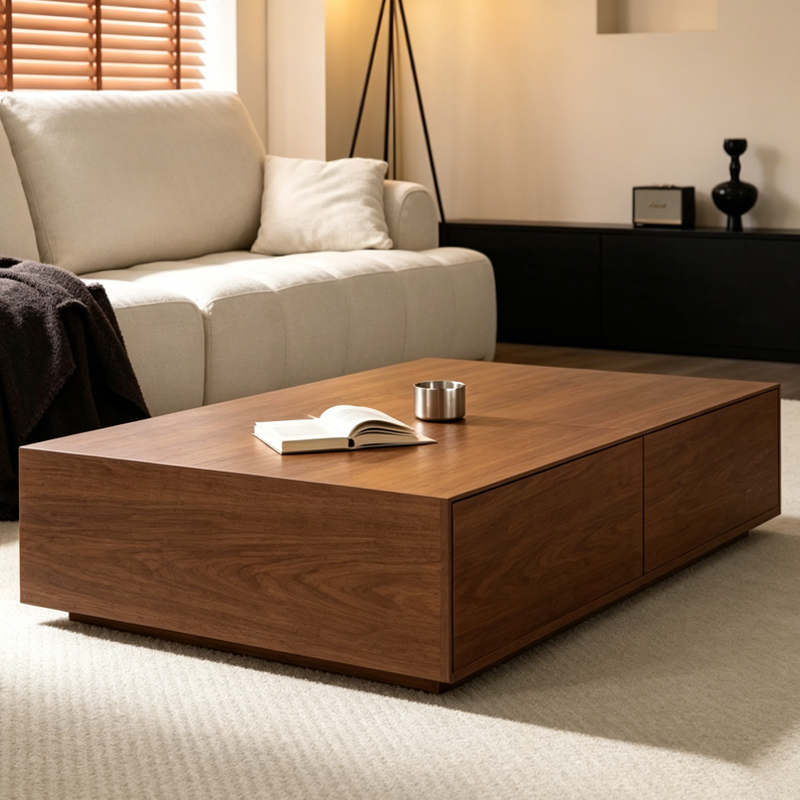
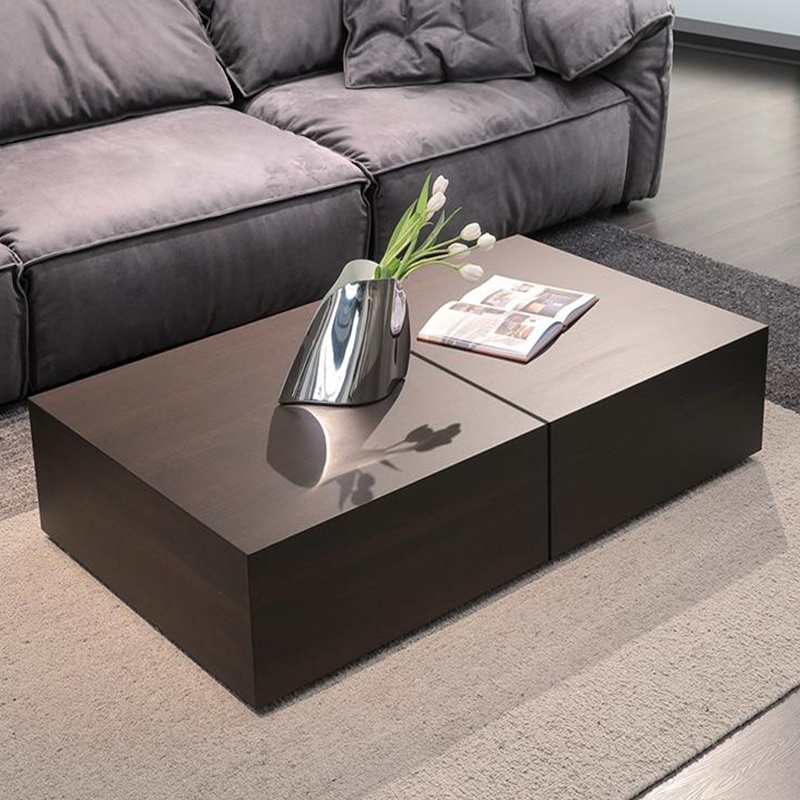
Square coffee tables are a geometric-centered living room furniture piece defined by symmetry, balance, and clean structural lines. Their equal-sided design creates strong visual stability and makes them a popular choice in modern interior design. Compared with rectangular or round tables, square coffee tables provide a more centralized and structured layout, making them ideal for both compact apartments and spacious living rooms. They blend seamlessly into modern, Scandinavian, industrial, and luxury-inspired interiors while enhancing functionality and spatial harmony.
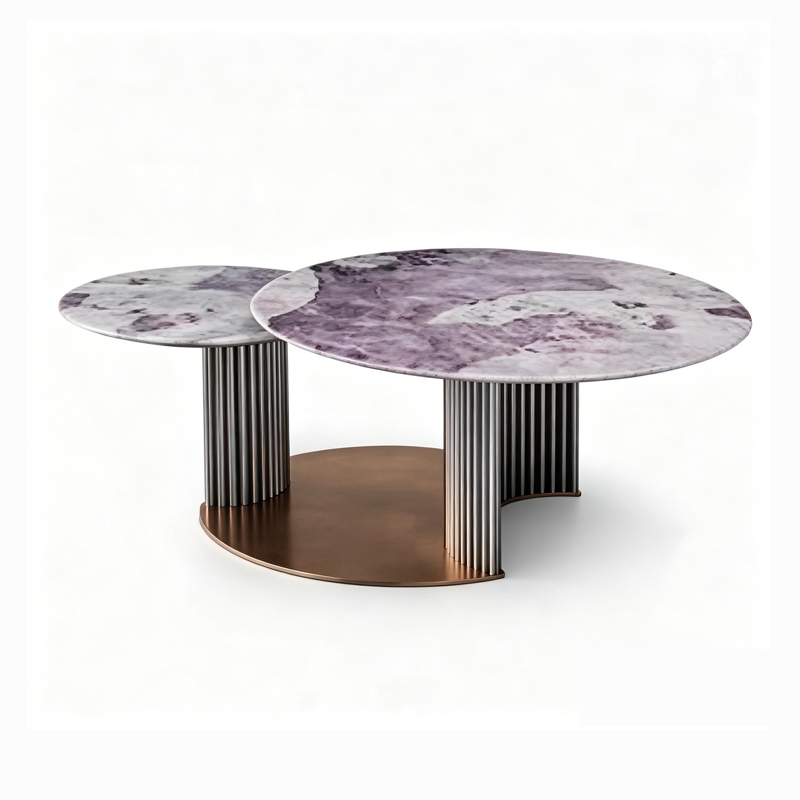
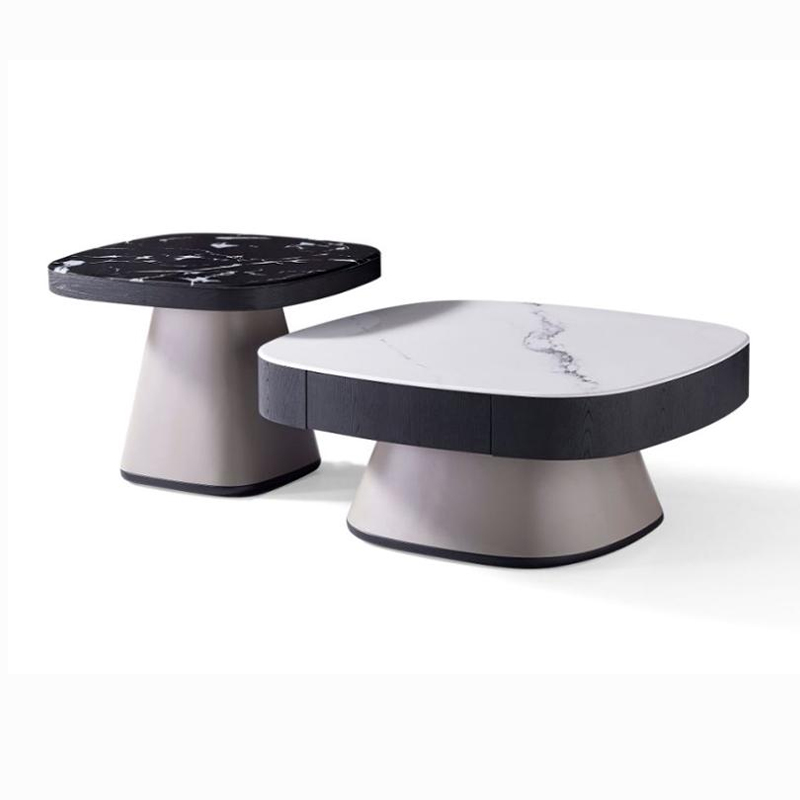
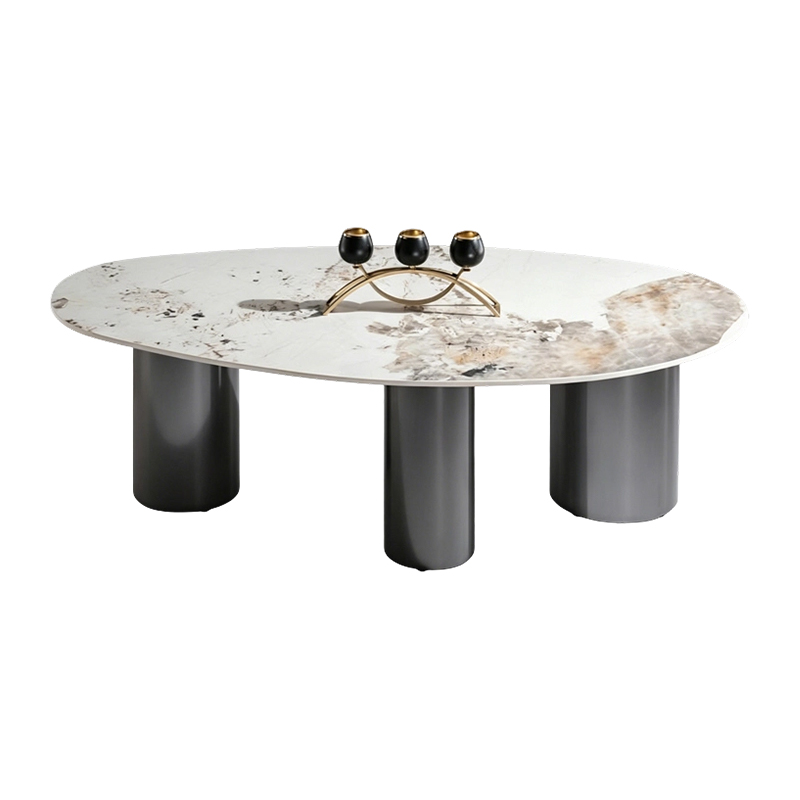
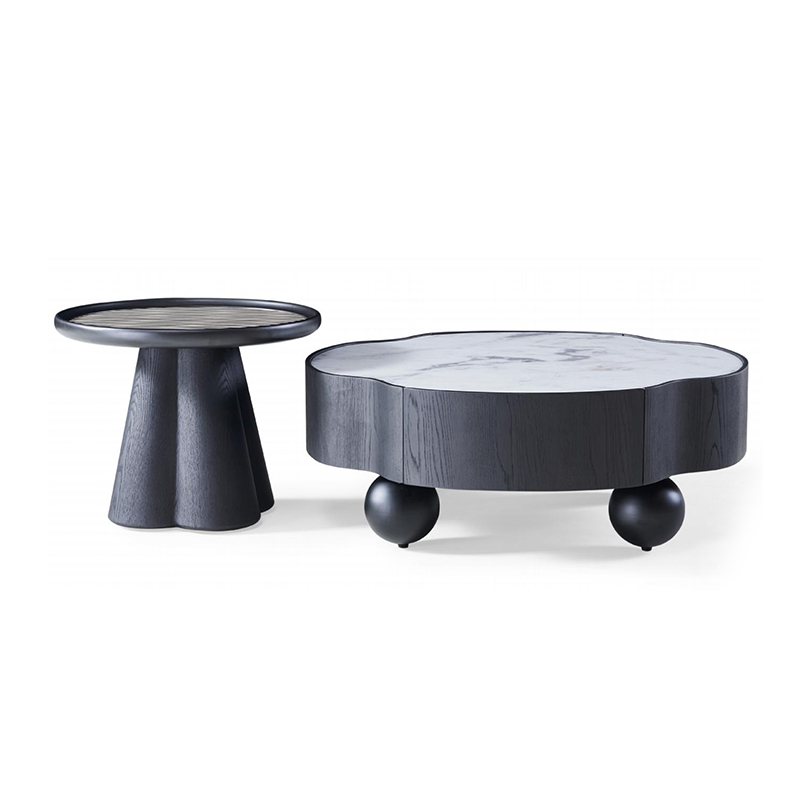
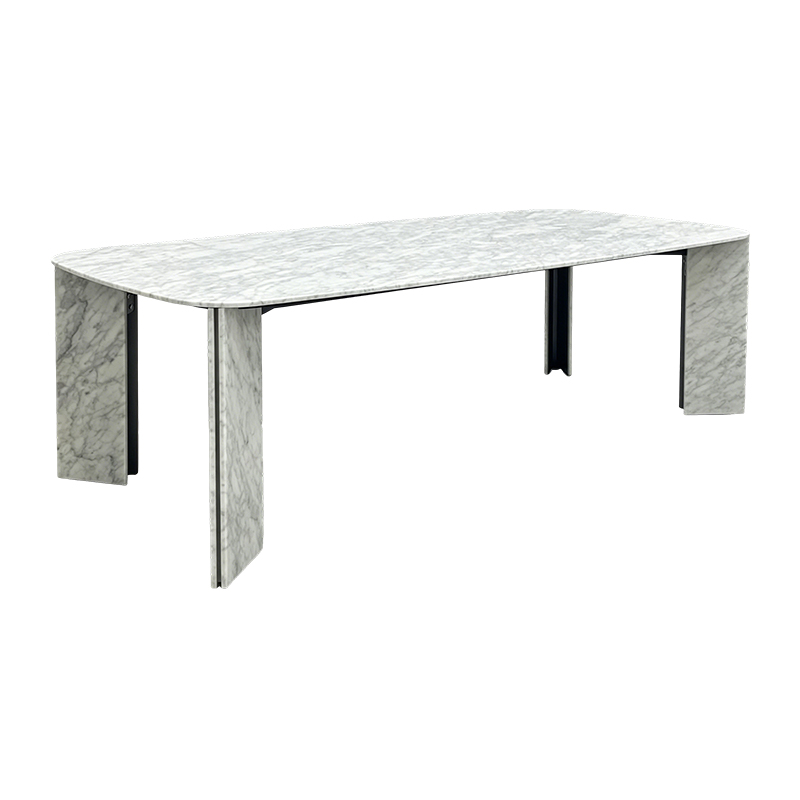
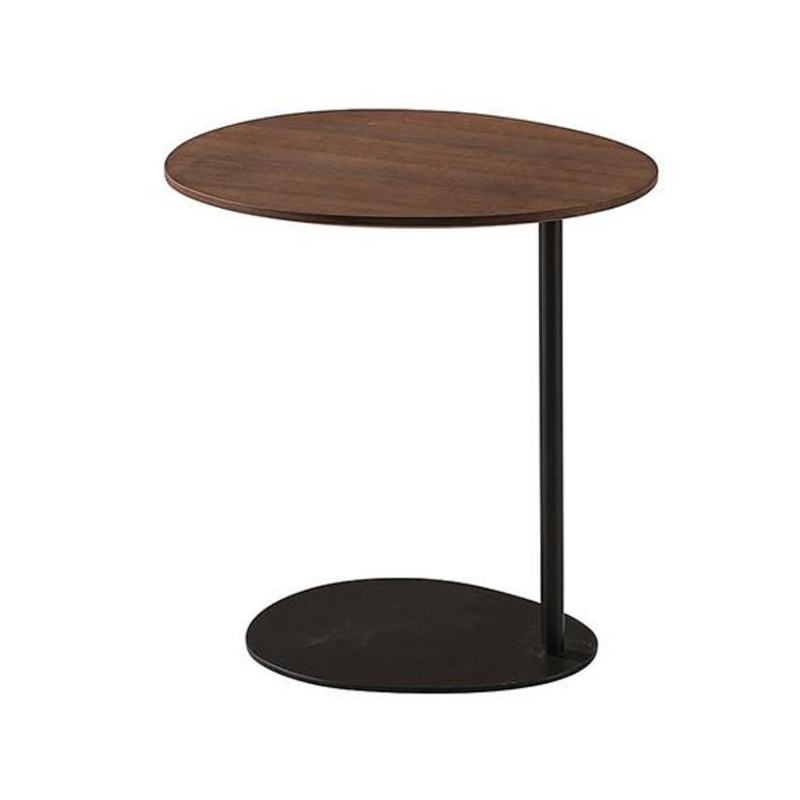
1. High structural stability: Equal-length sides ensure balanced weight distribution;
2. Efficient space usage: Ideal for multi-directional seating arrangements;
3. Strong design adaptability: Suitable for various interior styles;
4. Functional tabletop area: Spacious surface for daily use and decoration;
5. Flexible sizing options: Works well in both small and large spaces;
6. Material diversity: Available in wood, metal, marble, and glass combinations.
• Living room centerpiece: Enhances both functionality and visual balance in seating areas;
• Commercial reception spaces: Suitable for hotels, offices, and lounge environments;
• Apartments and compact homes: Maximizes usability in limited floor plans;
• Display and styling use: Ideal for books, décor items, and curated interior arrangements;
• Leisure and tea areas: Provides convenient surface space for snacks and beverages.
1. Solid wood series: Natural grain textures suited for Nordic and Japanese-inspired interiors;
2. Metal frame designs: Emphasize industrial aesthetics and structural strength;
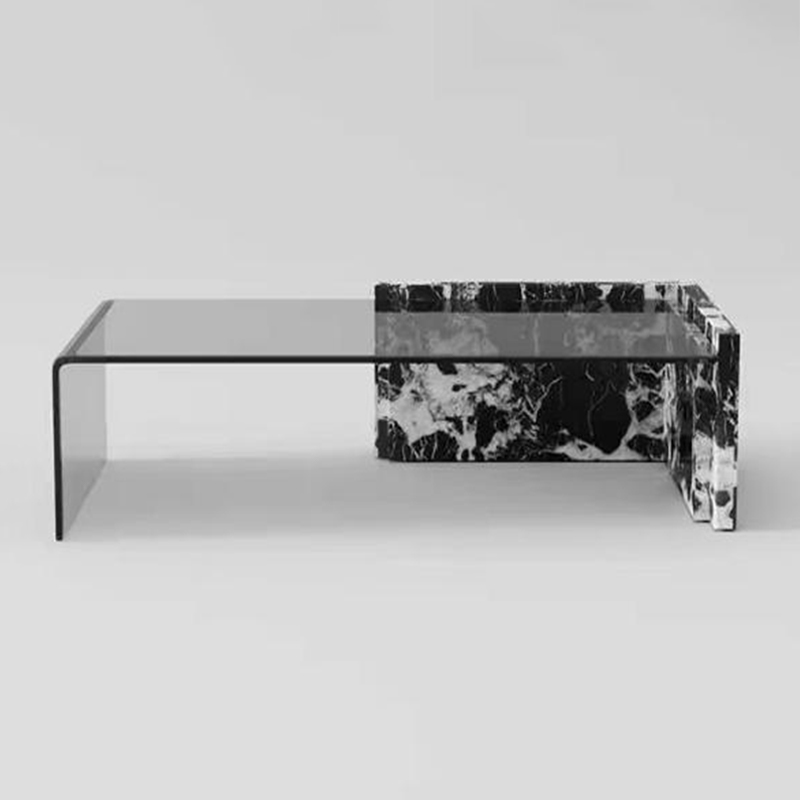
3. Glass tabletops: Create visual lightness and improve spatial openness;
4. Marble-inspired finishes: Add a premium, high-end visual appeal;
5. Engineered materials: Offer cost efficiency and versatility for commercial use.
• Regular cleaning: Use soft cloth to avoid surface scratches;
• Moisture control: Keep dry, especially for wood-based materials;
• Heat protection: Avoid placing hot items directly on the surface;
• Hardware inspection: Check joints and screws periodically for stability and longevity.
-
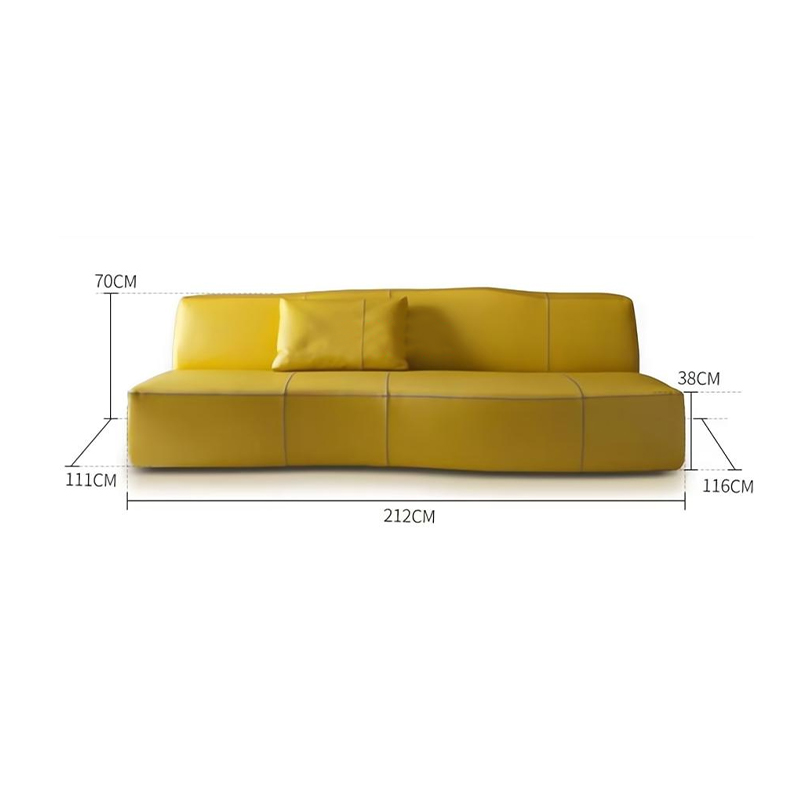 VIEW MOREcustom curved shaped sofa for reception areas: Practical Applications, Selection
 -
 VIEW MOREIntegrated Wallboards
 -
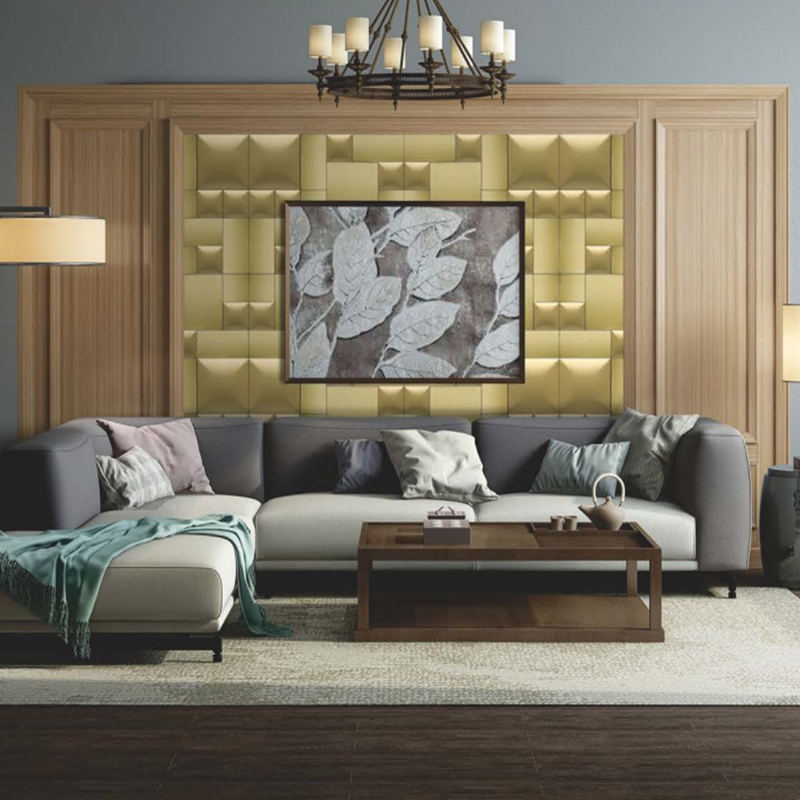
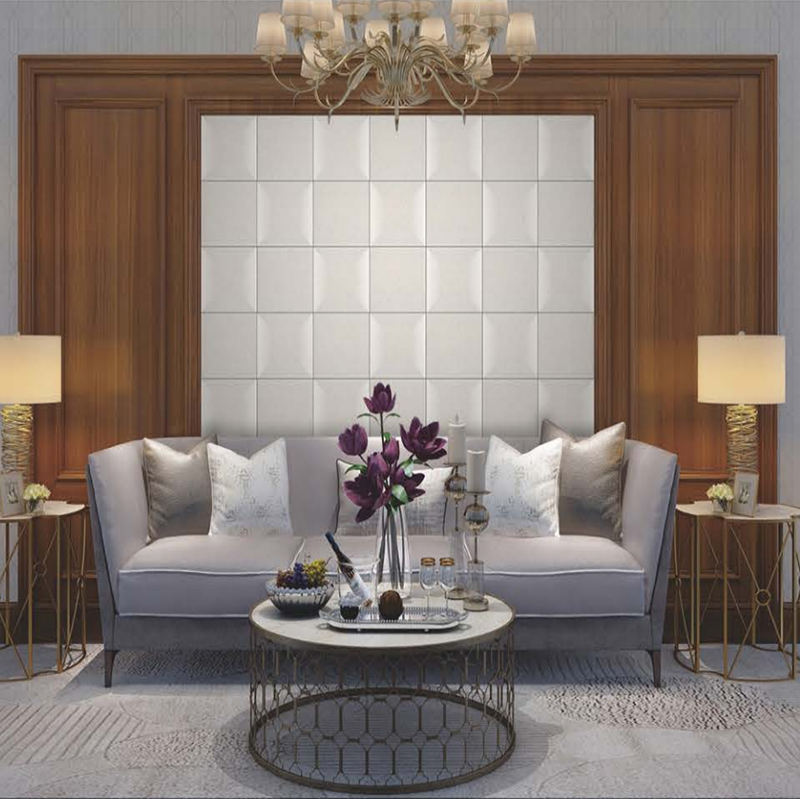 VIEW MOREWood Veneer Panels
 -
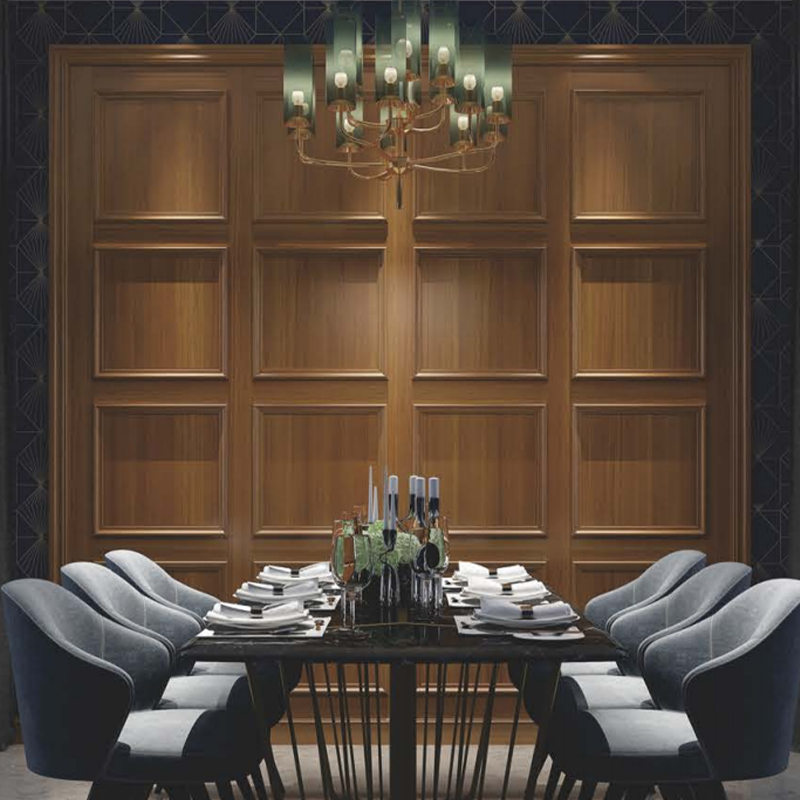
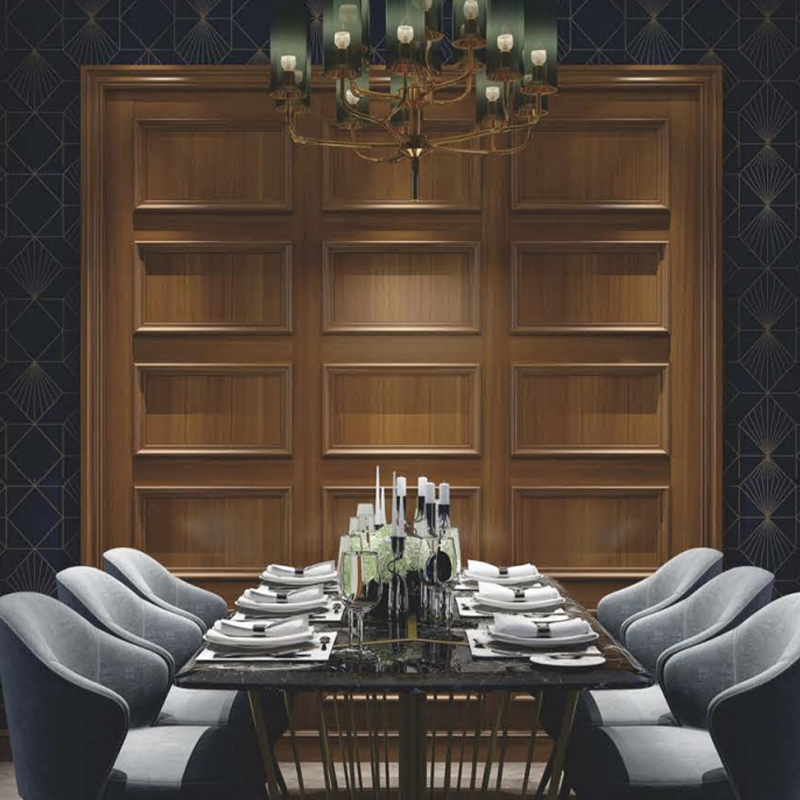 VIEW MORESolid Wood Panels
 -
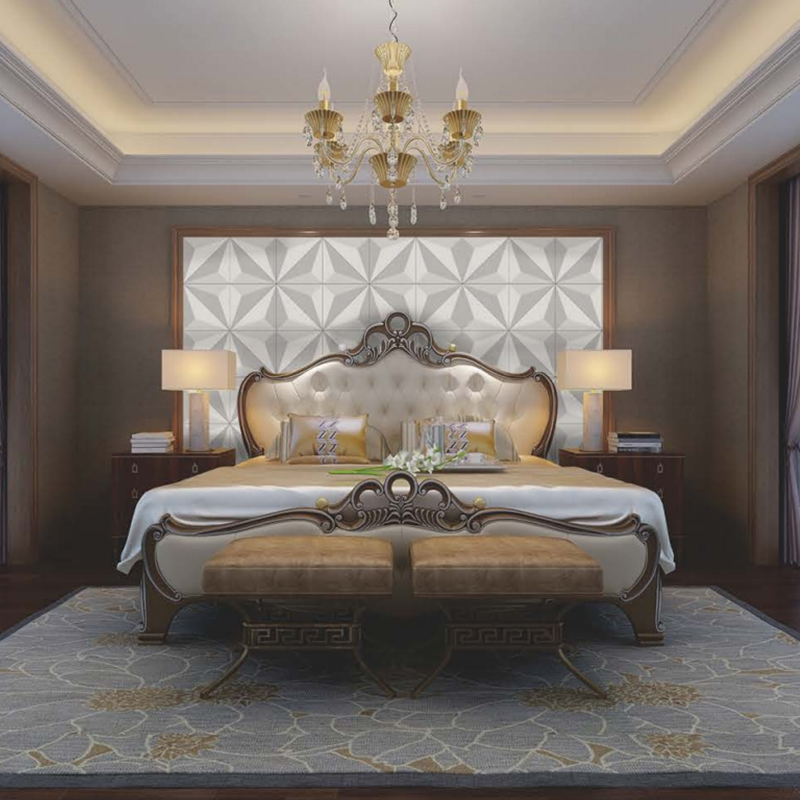
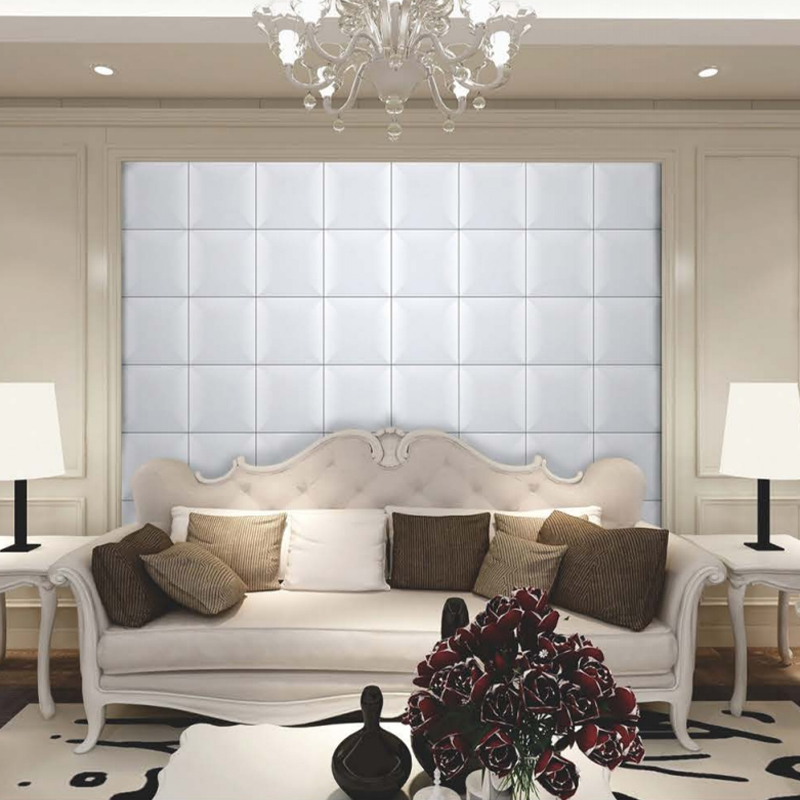 VIEW MOREPVC Wall Panels-PVC
 -
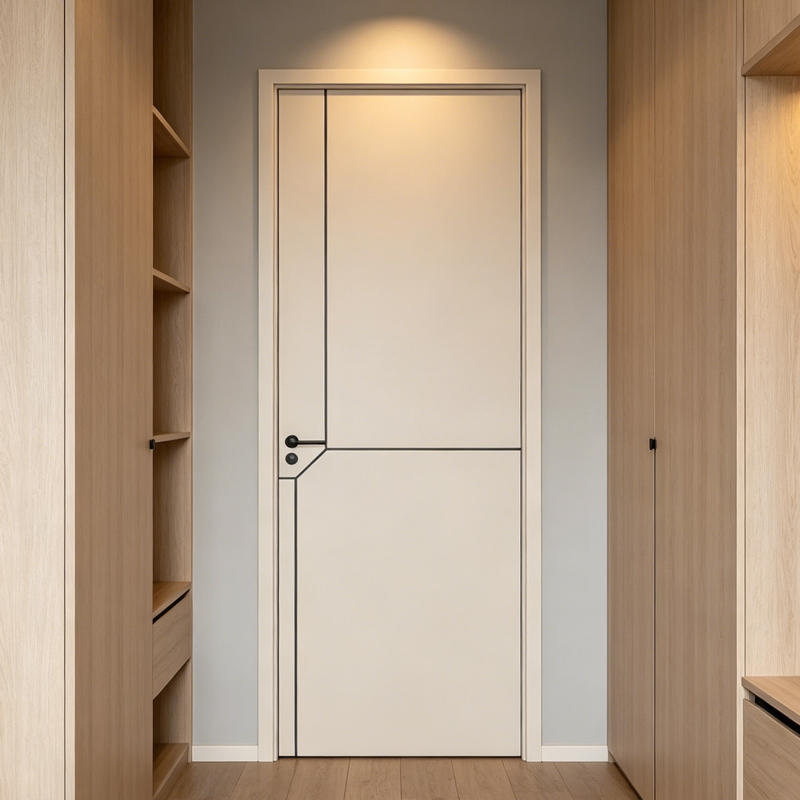
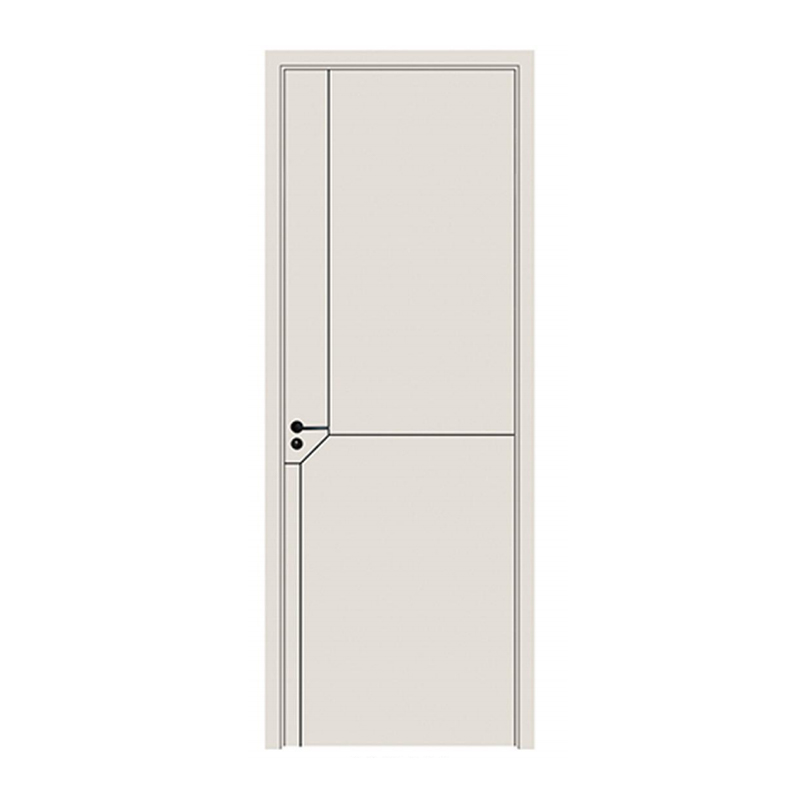 VIEW MORECabinet Door
 -
 VIEW MOREFire-rated Door
 -
 VIEW MOREWood Veneer Door
 -
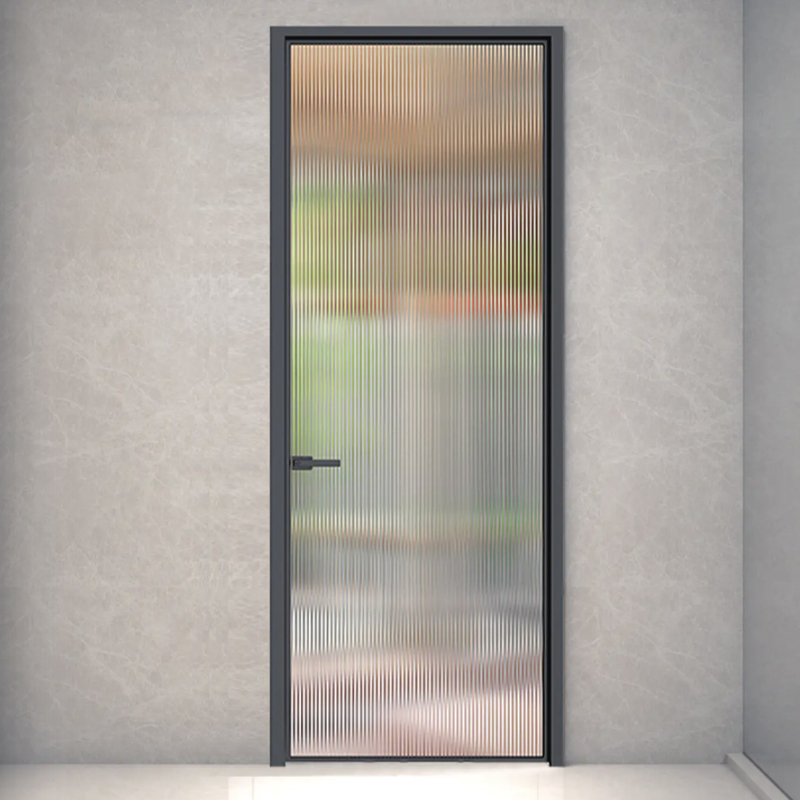
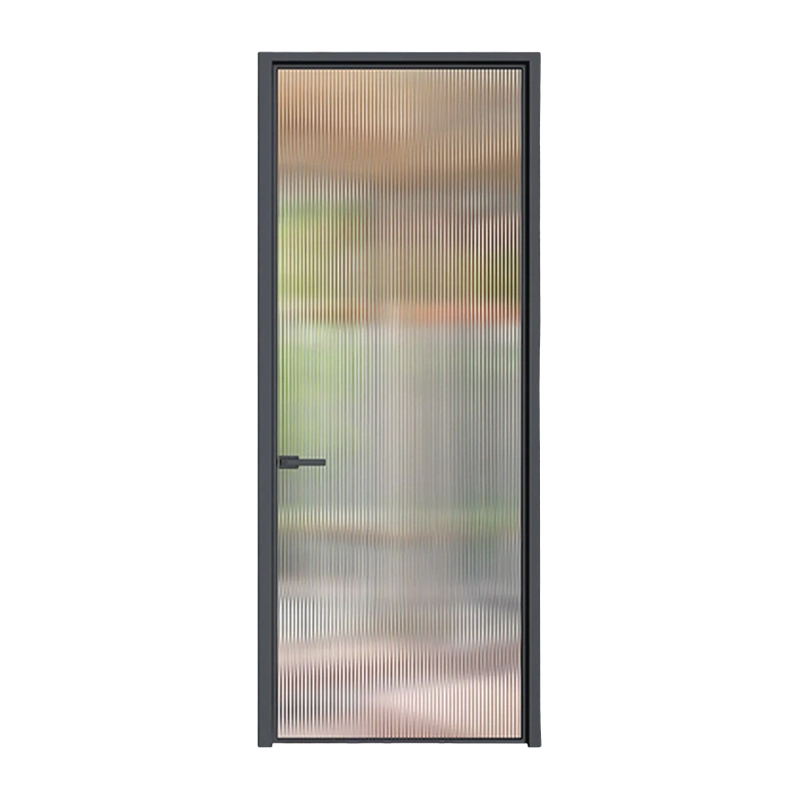 VIEW MOREAluminum Glass Door
 -
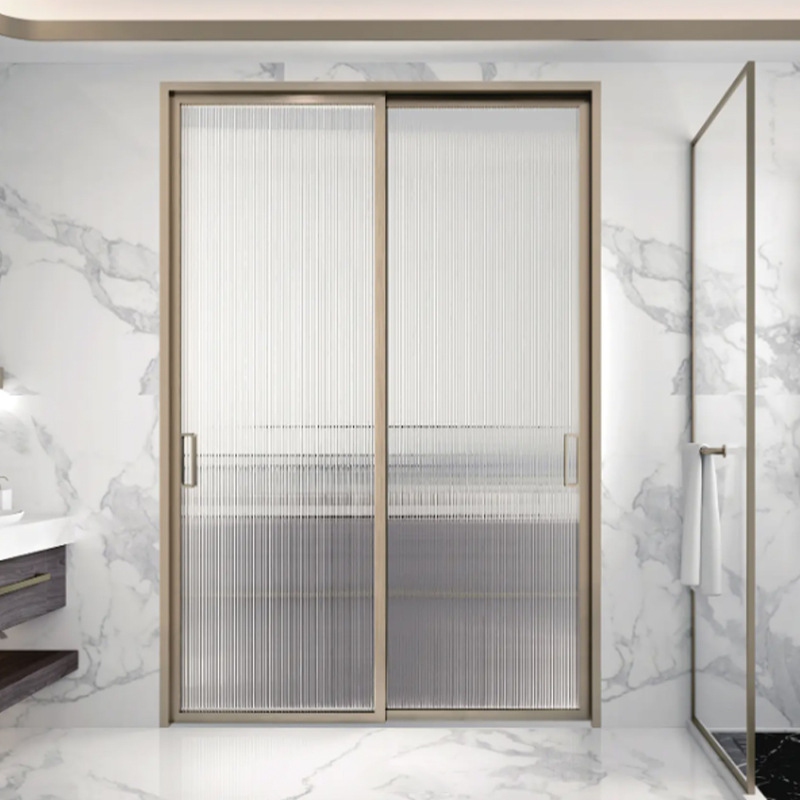
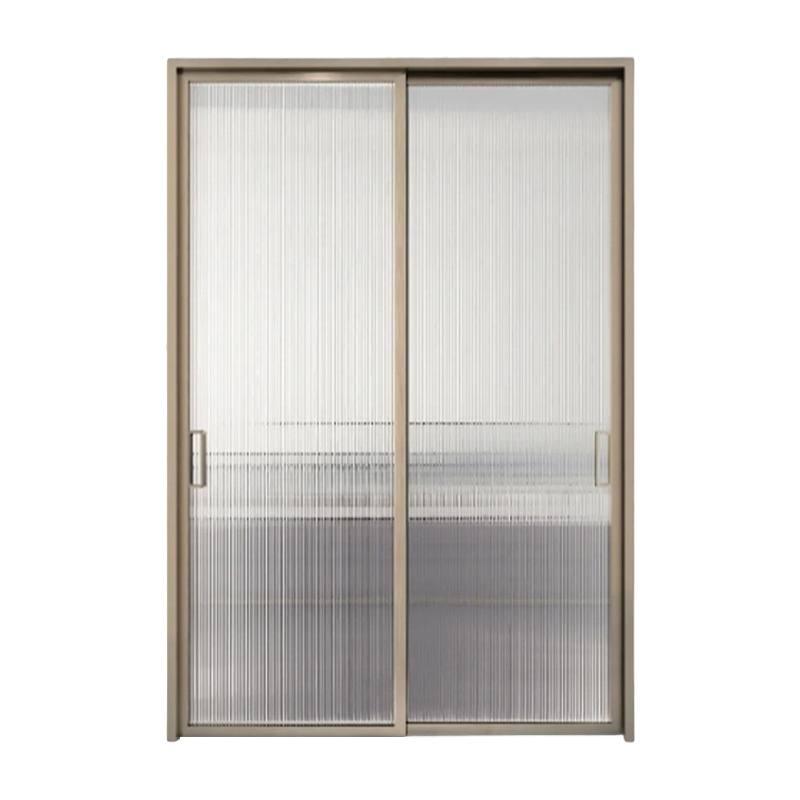 VIEW MOREBarn Door
 -
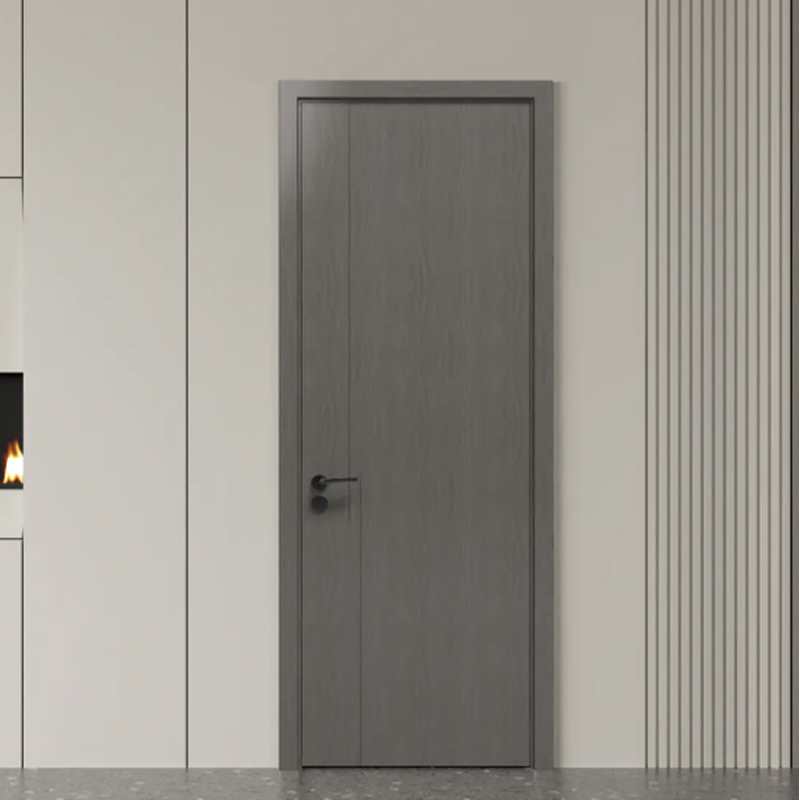
 VIEW MOREWPC Door
 -
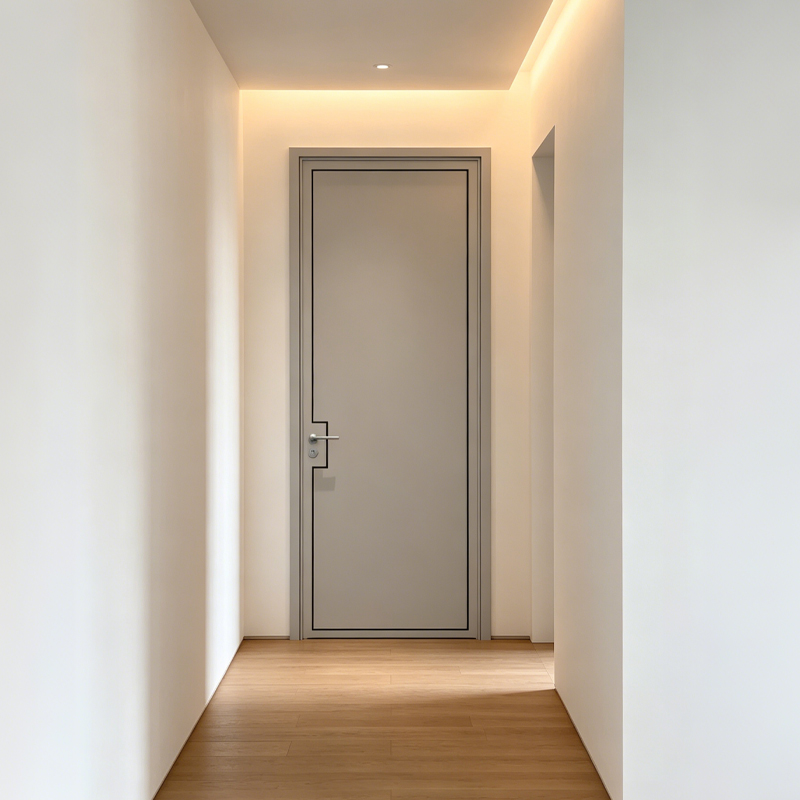
 VIEW MOREMDF Combined Door


-
 Email: rainbow@toaofer.com
 -
 Mobile: +86-15300501061
 -
 Penglai Road 10#, Huangshan Economical Development Zone, Anhui Province, China.
Copyright © Aofer Hospitality Ltd.
All Rights Reserved.
 Wholesale Rectangular Coffee Tables Suppliers