
 Language
 English
 Español
 عربى
عربى Tiếng Việt
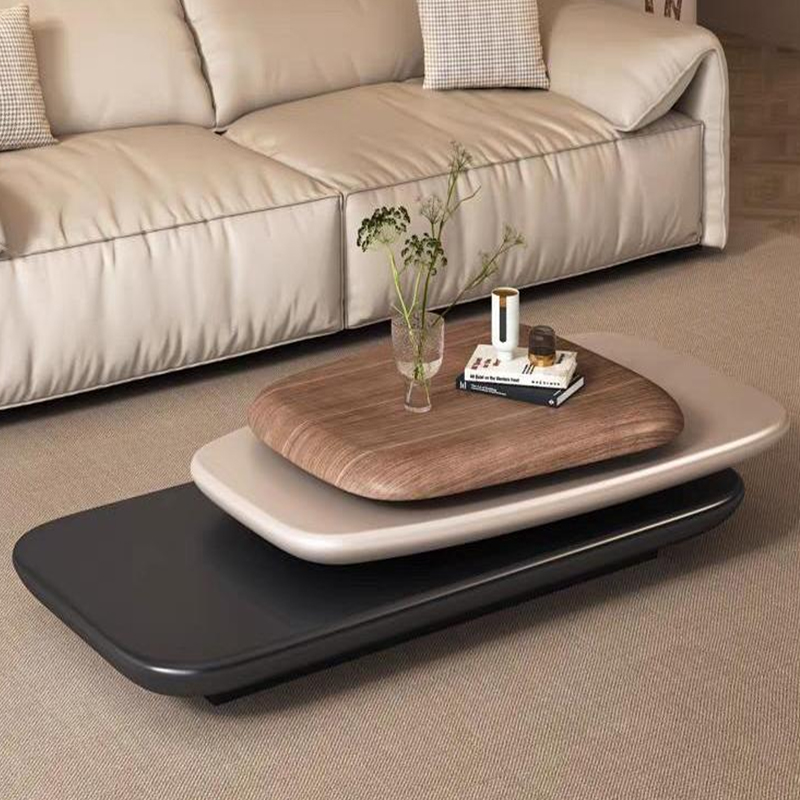
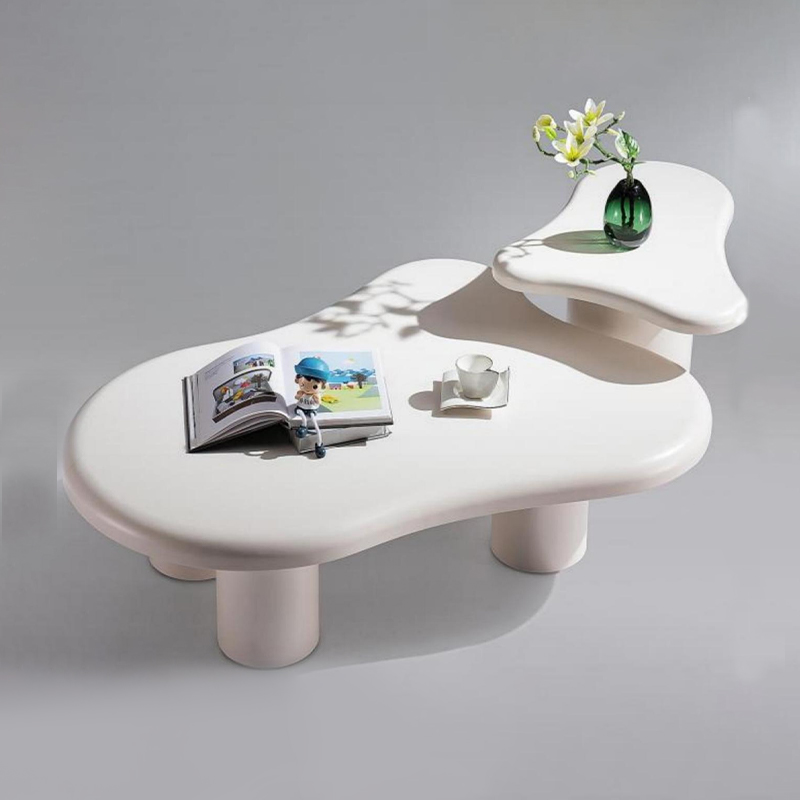
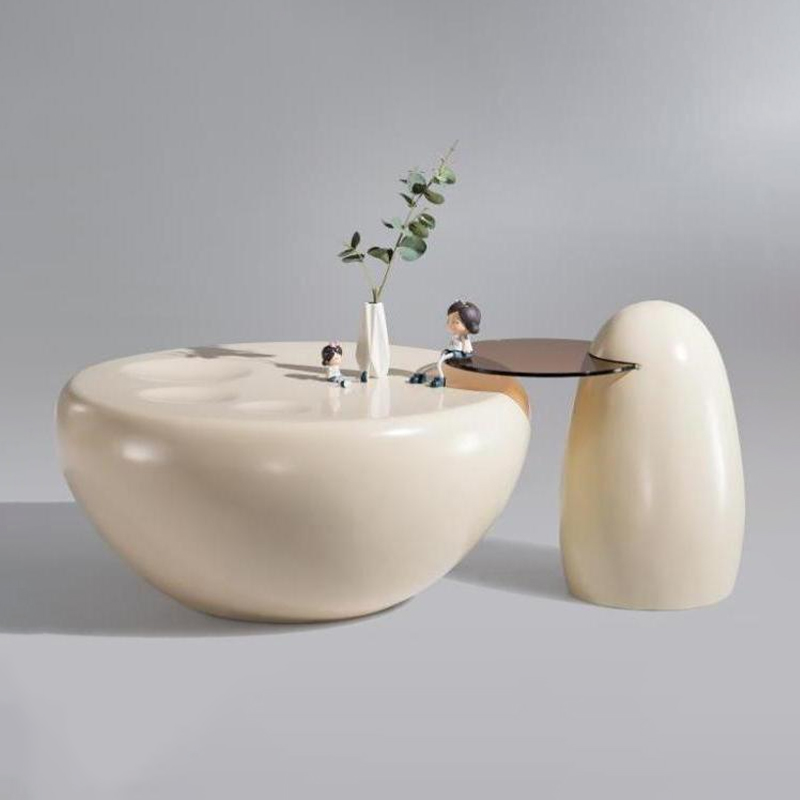
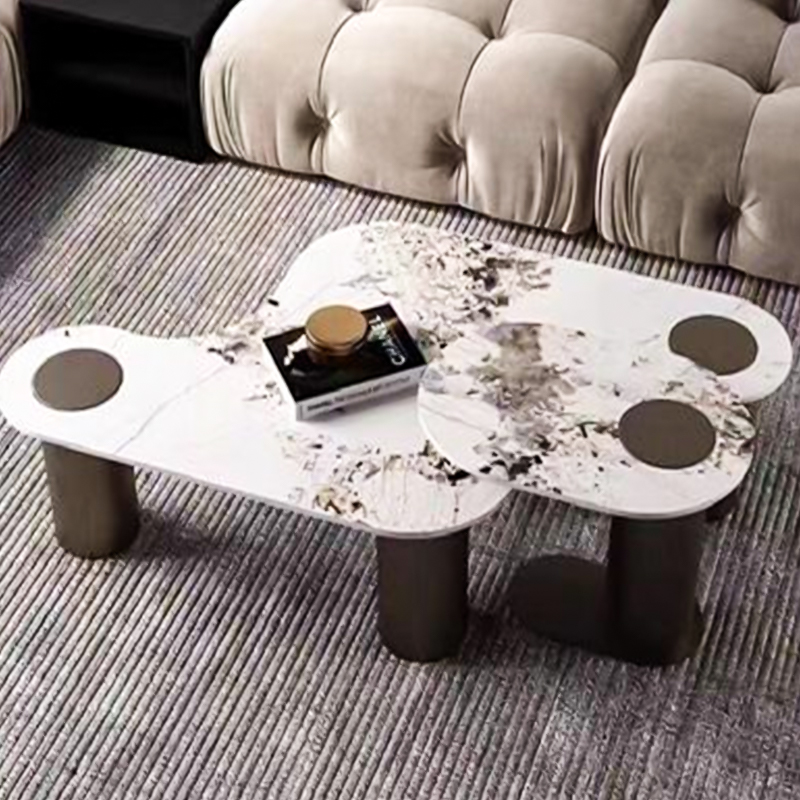
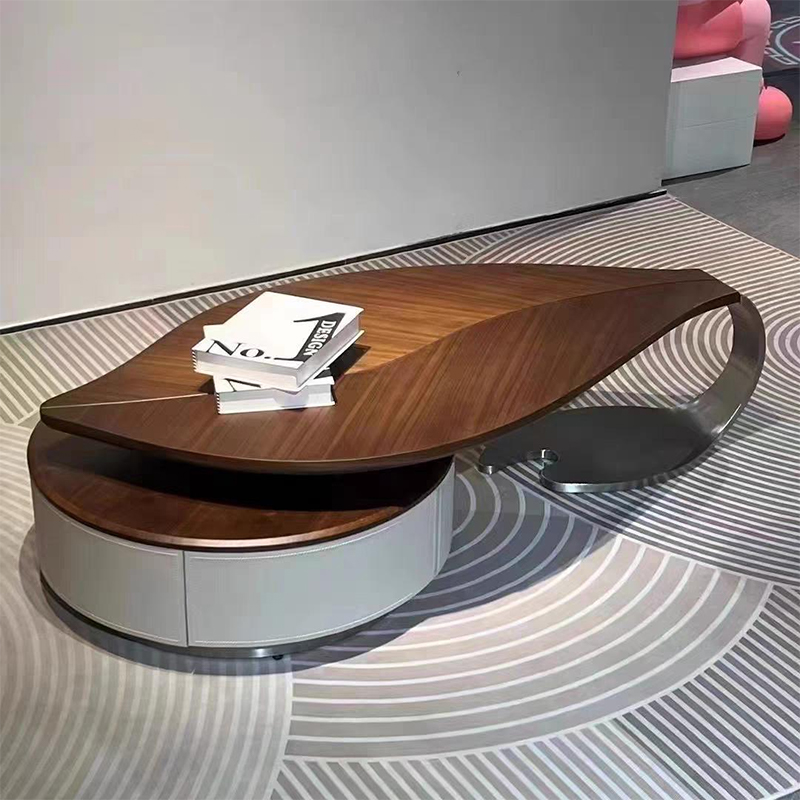
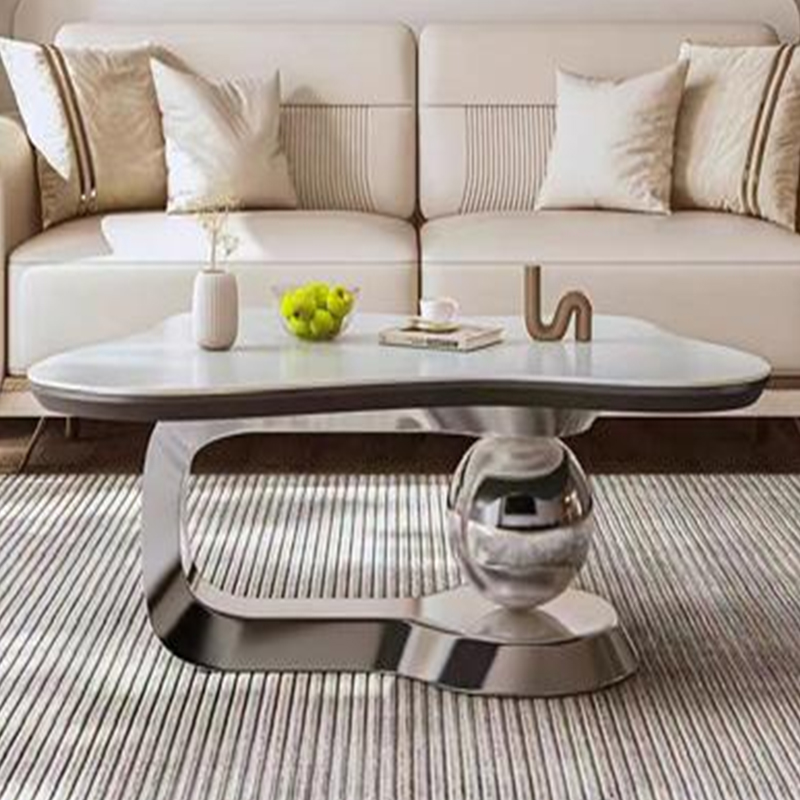
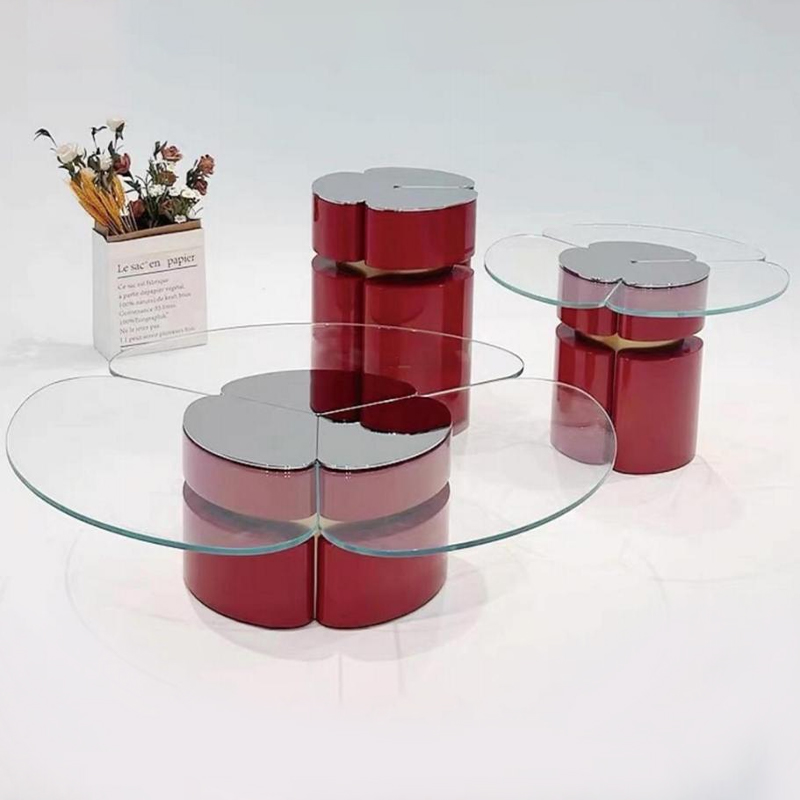
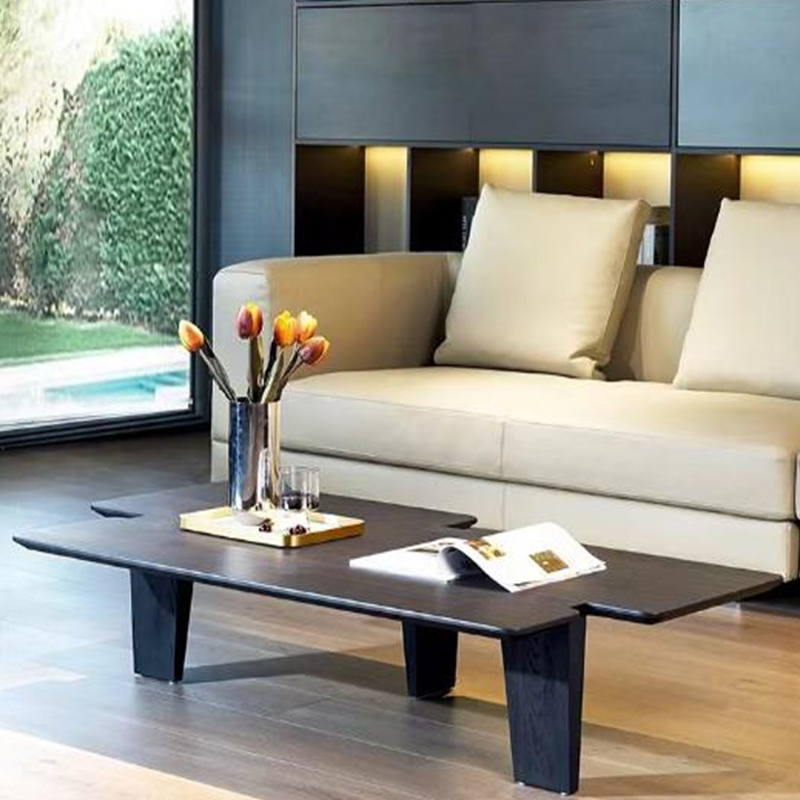
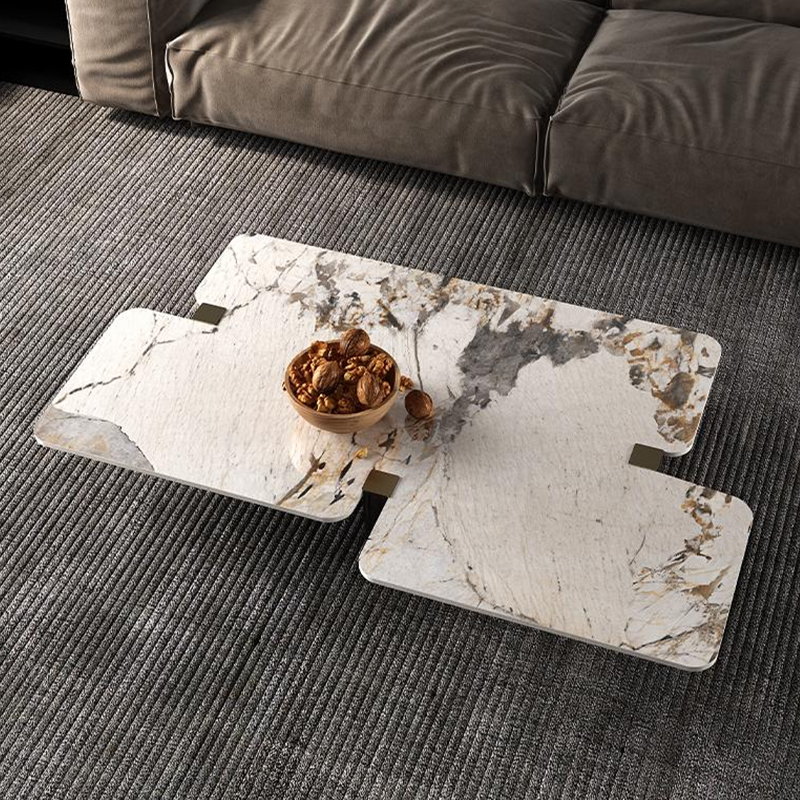
Irregular / Abstract Coffee Tables
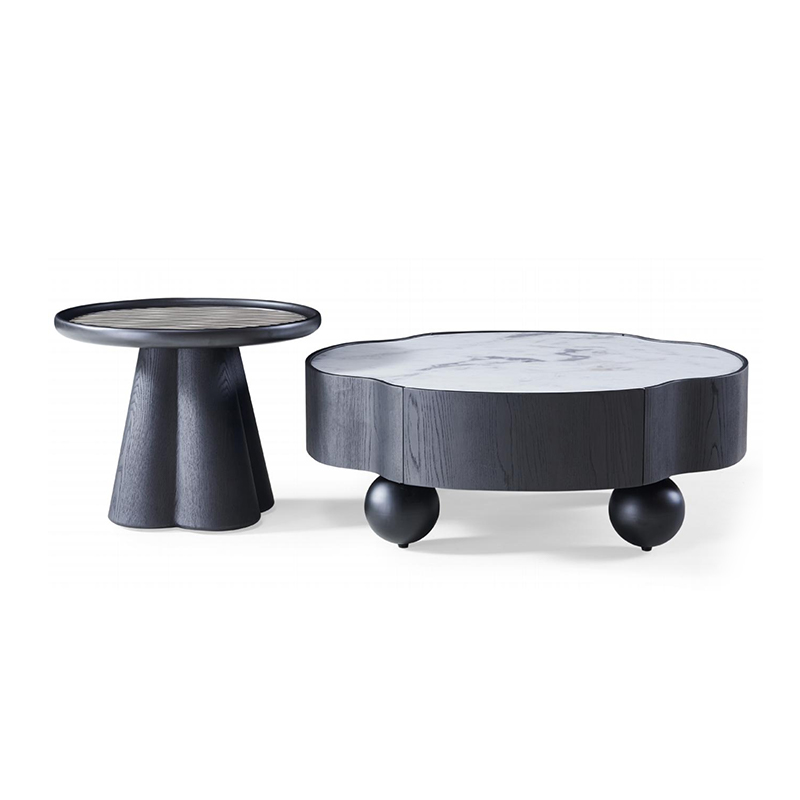
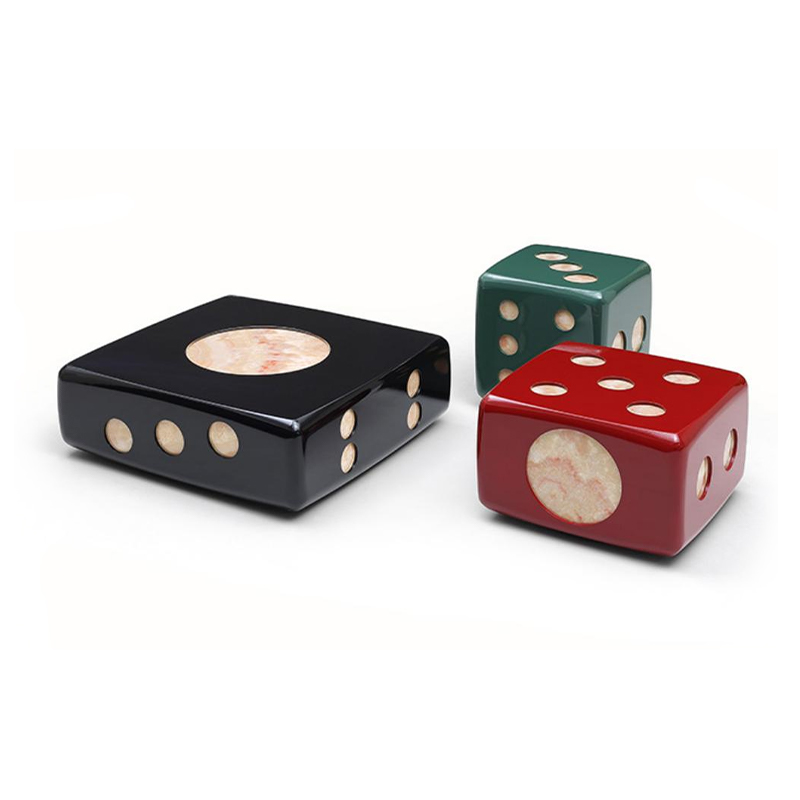
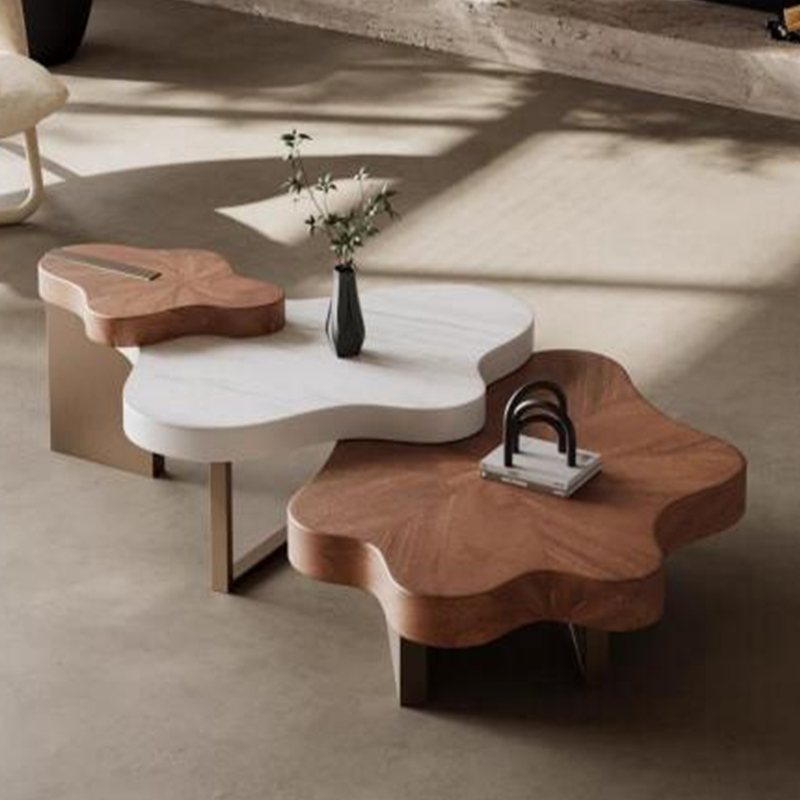
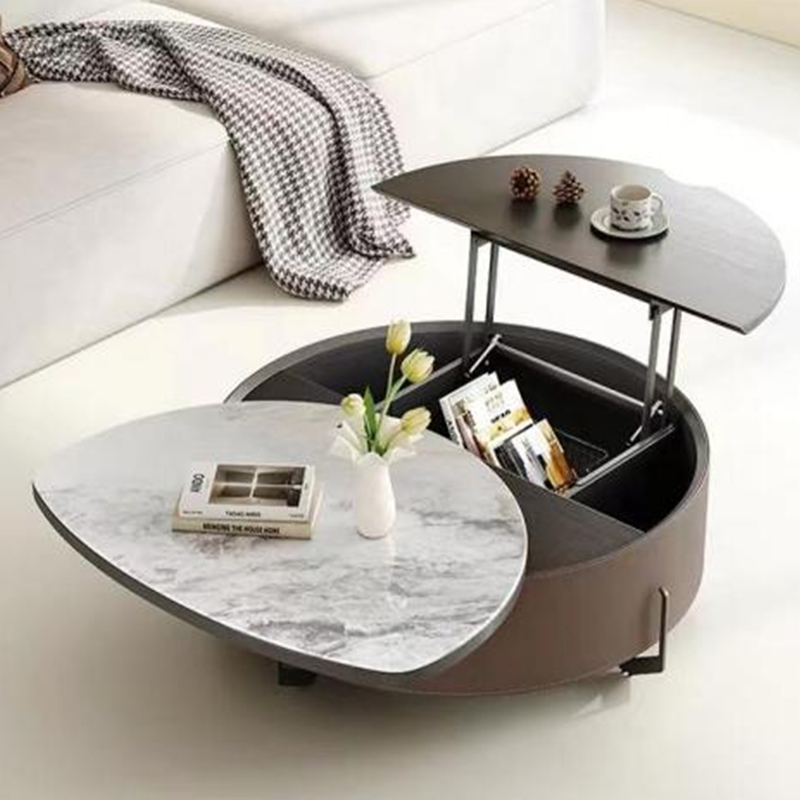
Irregular and abstract coffee tables are designed to break away from traditional geometric forms, emphasizing sculptural silhouettes, artistic structures, and multi-material integration. Inspired by modern art, natural landscapes, and architectural deconstruction, these tables function not only as practical furniture but also as statement art pieces that enhance the visual identity of contemporary interiors.
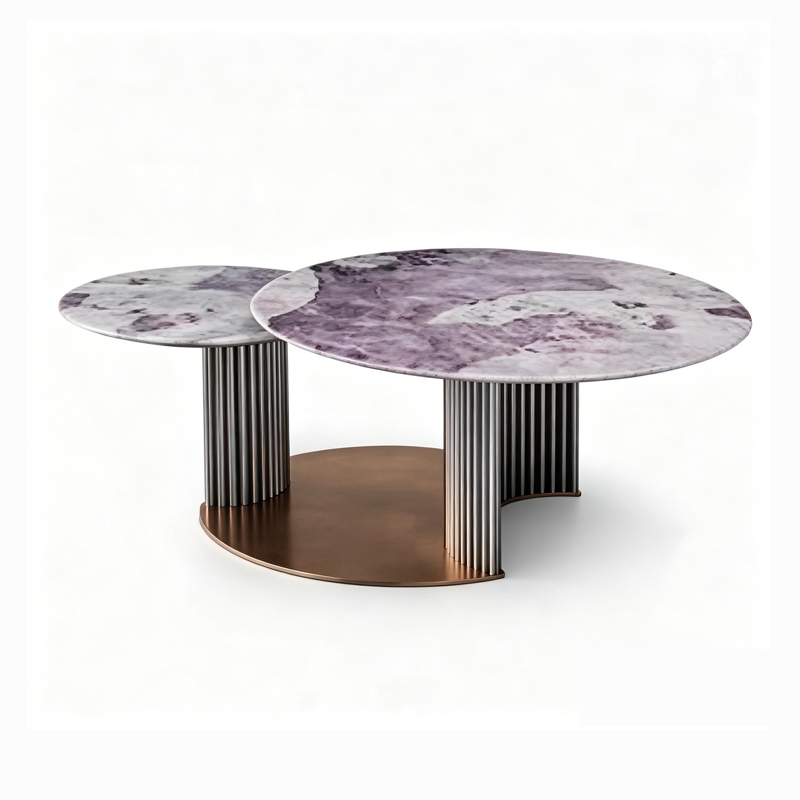
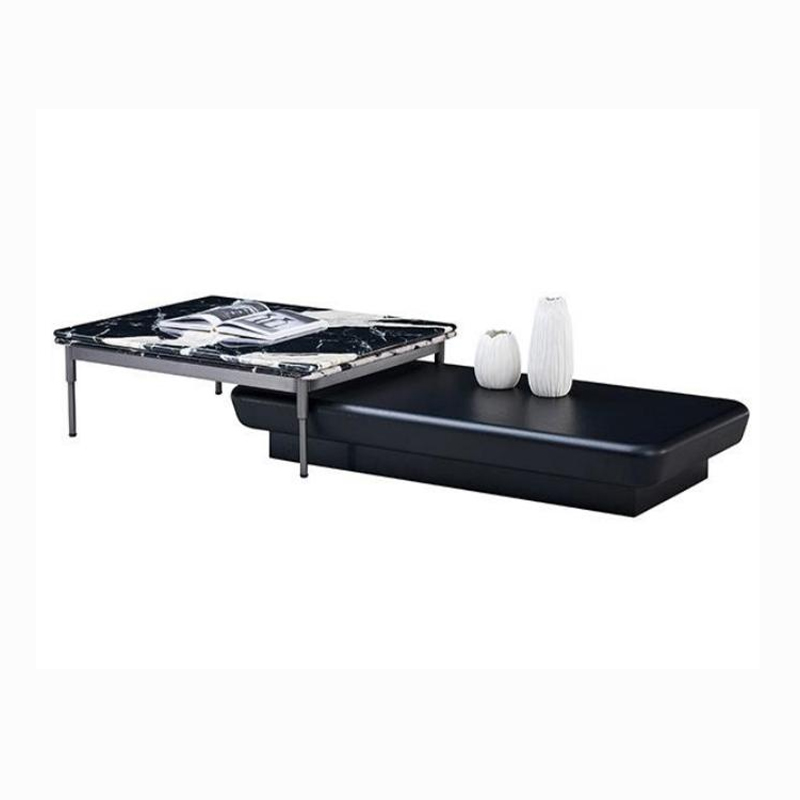
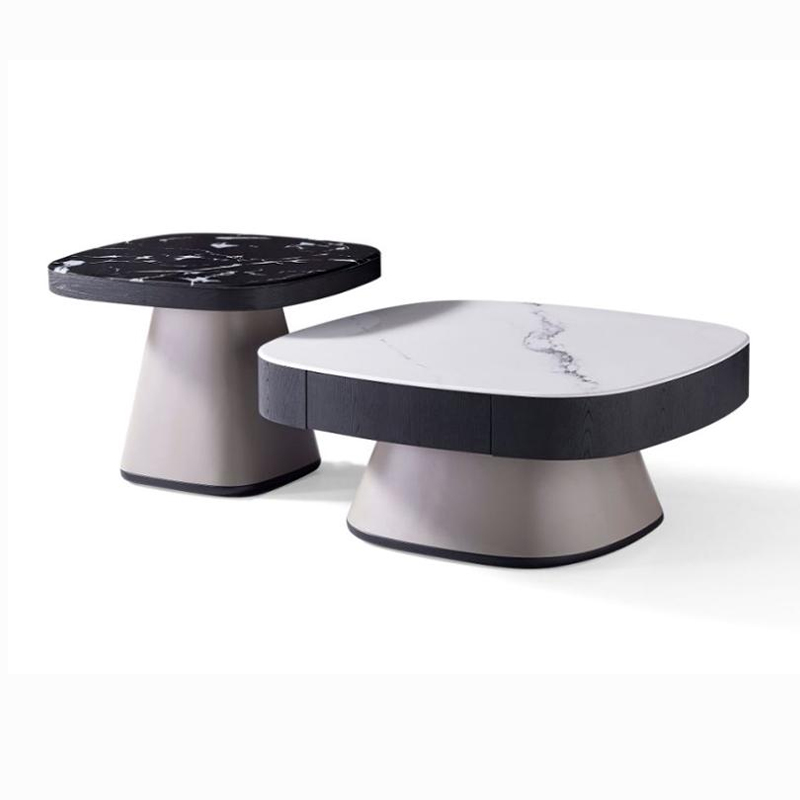
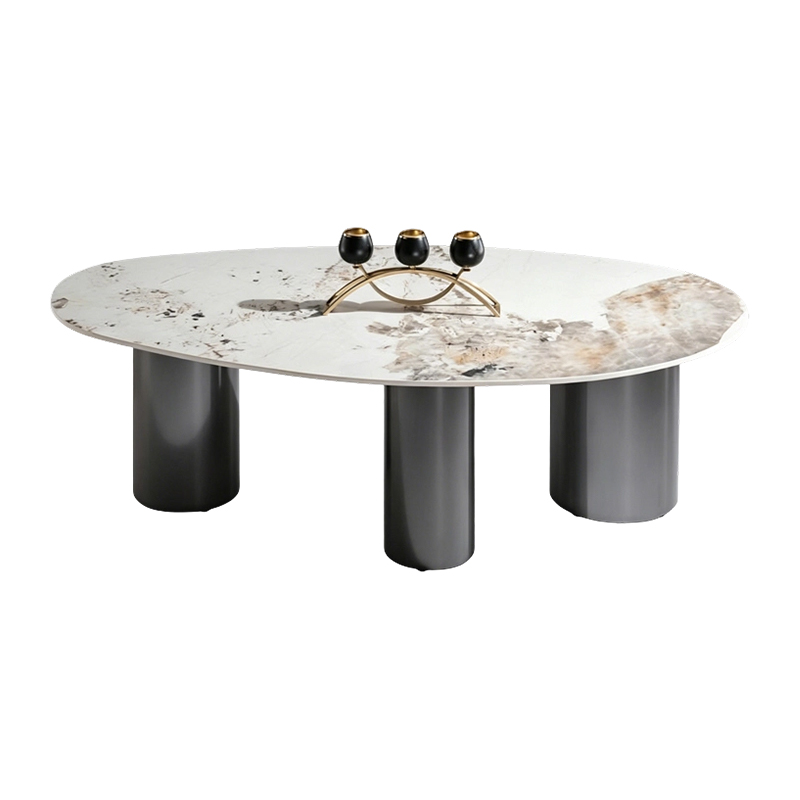
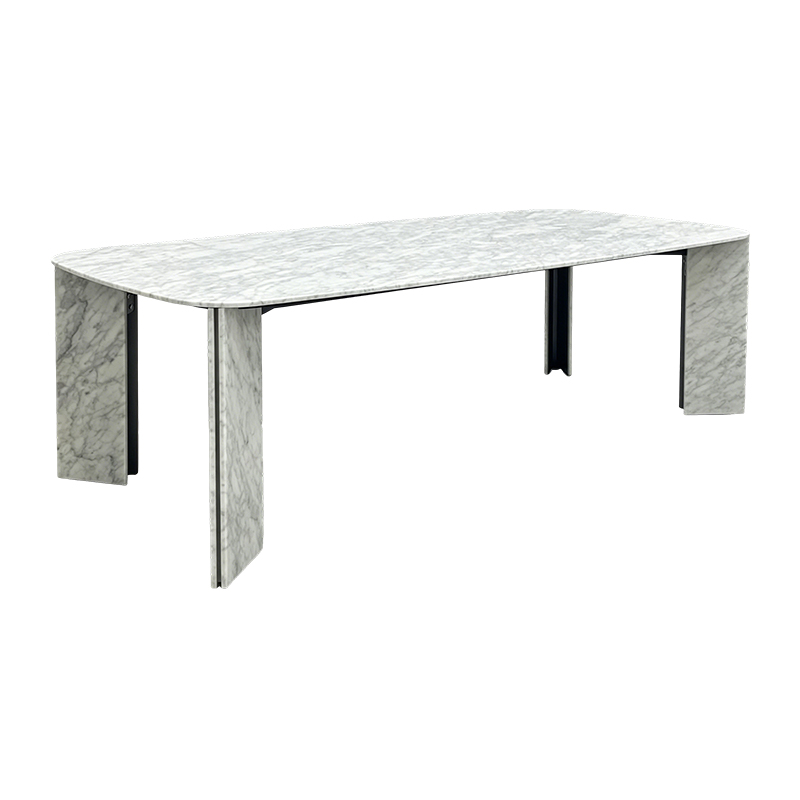
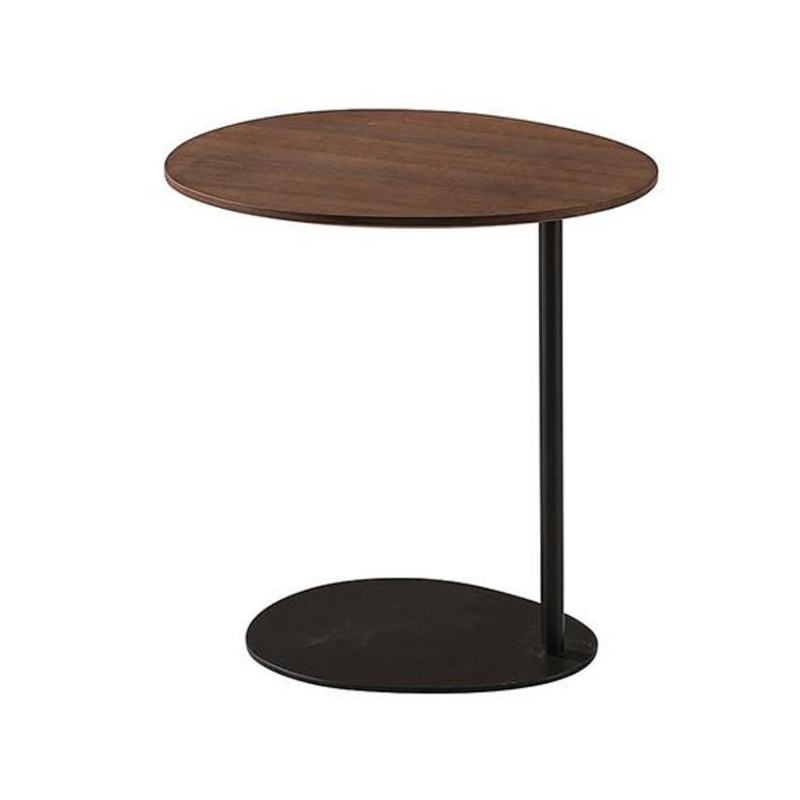
1. Sculptural Design: Asymmetrical, fluid, and abstract shapes that create strong visual impact and artistic expression;
2. Material Combination: Often crafted from sintered stone, solid wood, metal, glass, or resin to enhance texture and depth;
3. Strong Aesthetic Presence: Serves as a focal point in interior spaces, elevating overall design style;
4. Refined Craftsmanship: Precision finishing and structural optimization ensure both durability and artistic quality;
5. Functional Balance: Combines decorative appeal with practical surface usability for daily living.
• Living Room: Used as a main or accent coffee table to enhance interior aesthetics;
• Luxury Residences: Ideal for modern, minimalist, and artistic interior styles;
• Commercial Spaces: Suitable for hotel lobbies, boutique cafés, and art galleries;
• Show Flats: Enhances spatial presentation and design storytelling;
• Creative Offices: Used in lounge or reception areas to elevate ambiance.
1. Artistic Inspiration: Draws from modern sculpture and natural forms such as rocks, rivers, and clouds;
2. Minimal Abstract Style: Uses geometric deconstruction and negative space for a lightweight, premium feel;
3. Industrial Fusion: Combines metal elements with raw textures for a bold aesthetic;
4. Organic Natural Flow: Emphasizes curves and irregular boundaries to mimic natural growth patterns;
5. Custom Design Trends: Offers customization in size, materials, and finishes for personalized interiors.
• Pair with minimalist sofas to highlight sculptural form;
• Combine with rugs and floor lamps to enrich spatial layering;
• Best suited for medium to large spaces to avoid visual clutter;
• Avoid overly complex furniture arrangements to maintain design focus.
-
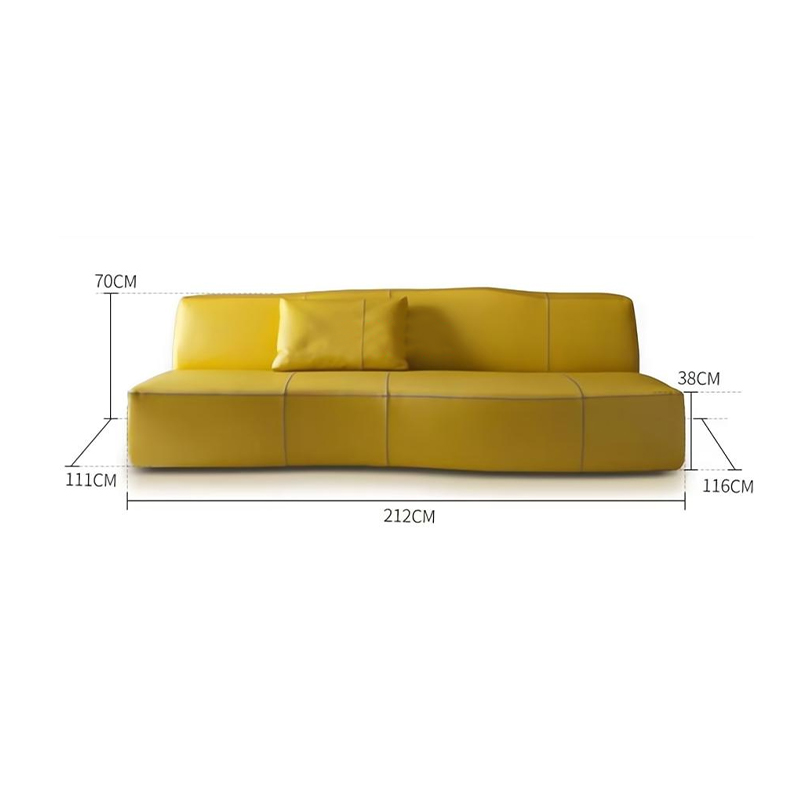 VIEW MOREcustom curved shaped sofa for reception areas: Practical Applications, Selection
 -
 VIEW MOREIntegrated Wallboards
 -
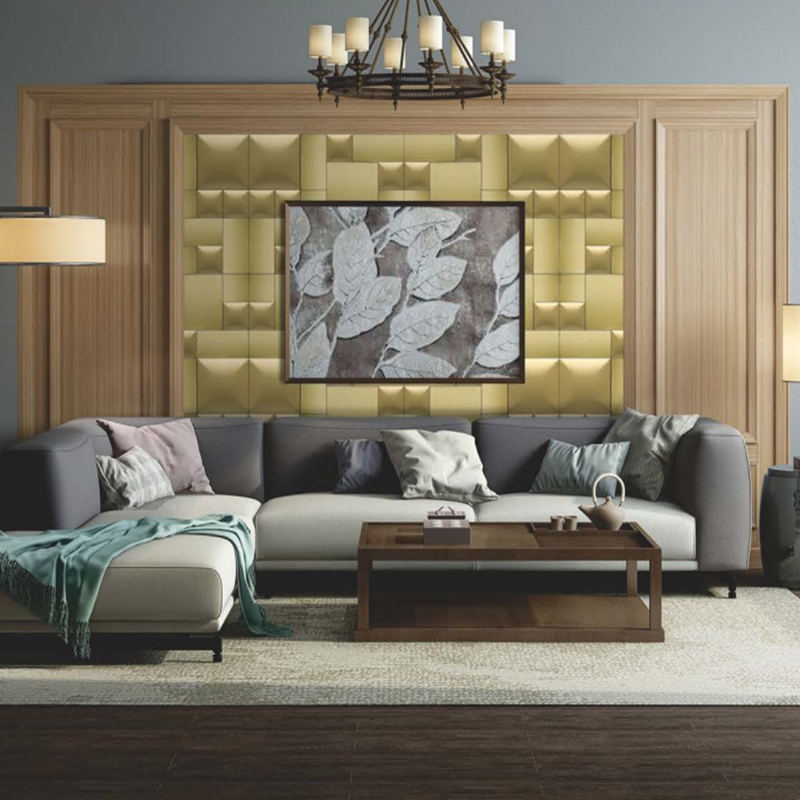
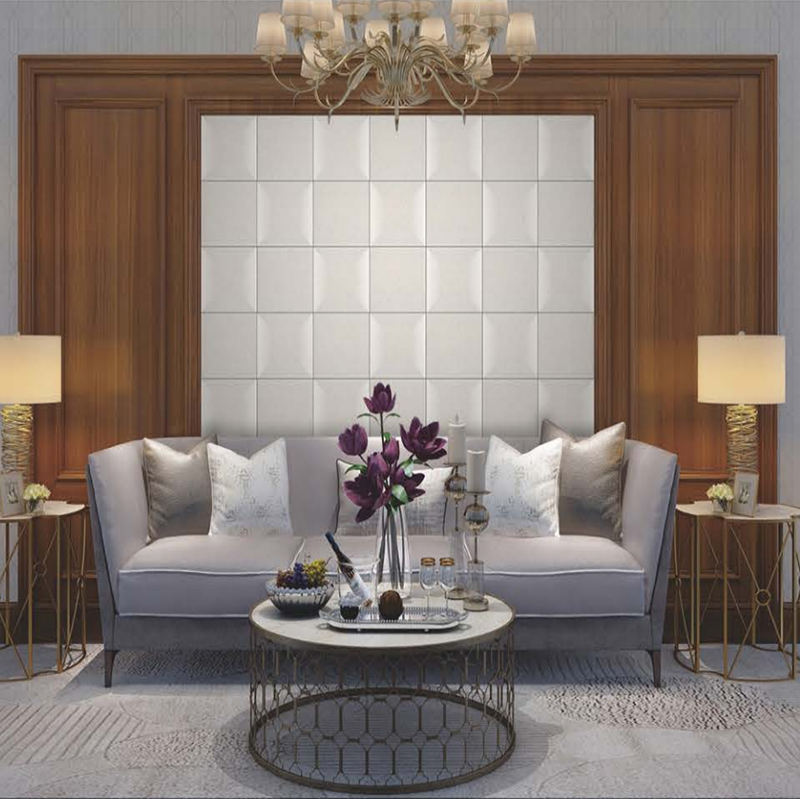 VIEW MOREWood Veneer Panels
 -
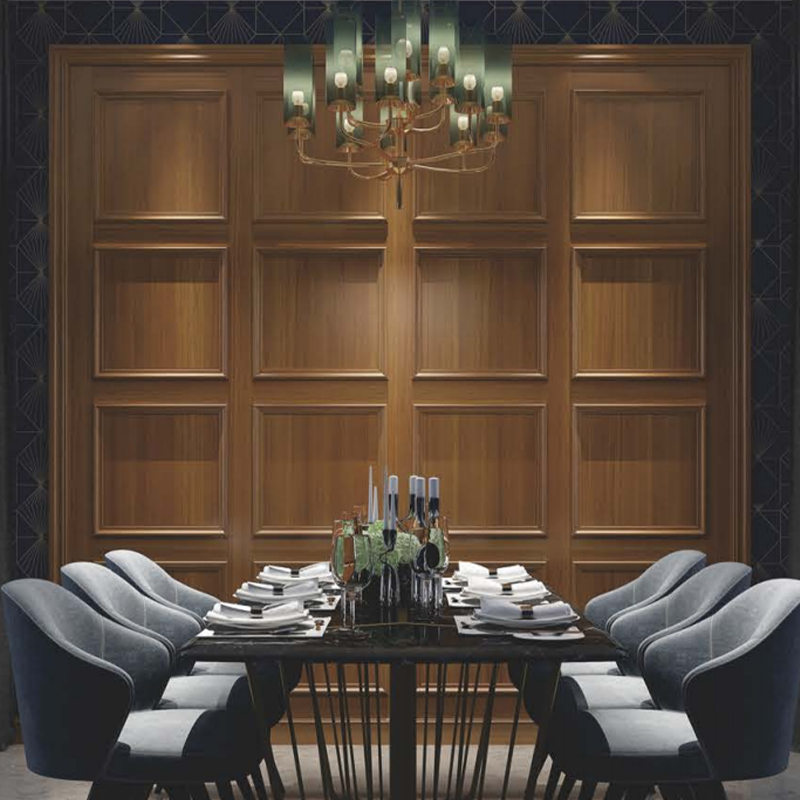
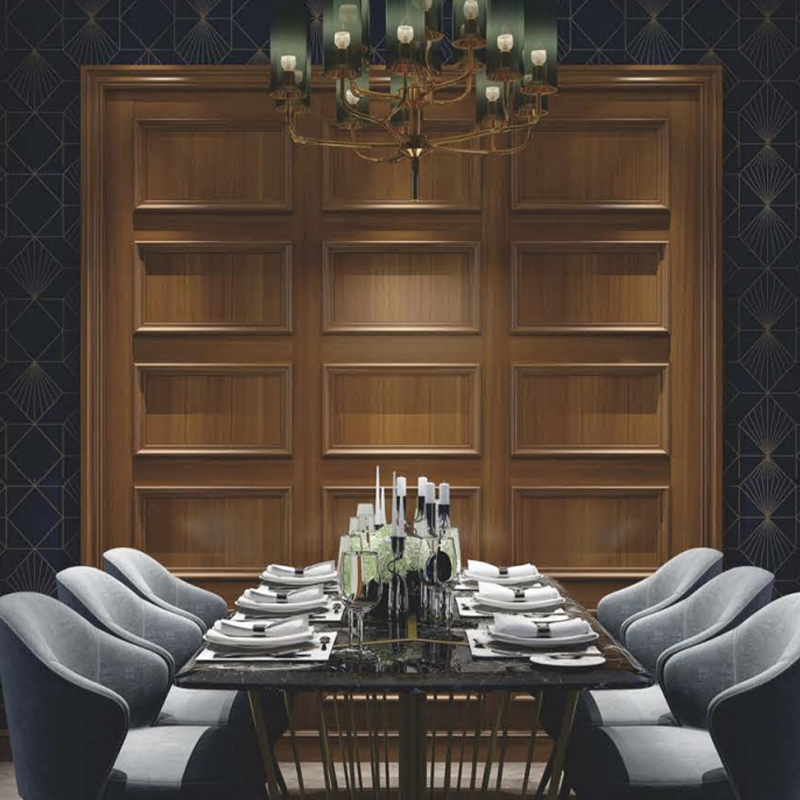 VIEW MORESolid Wood Panels
 -
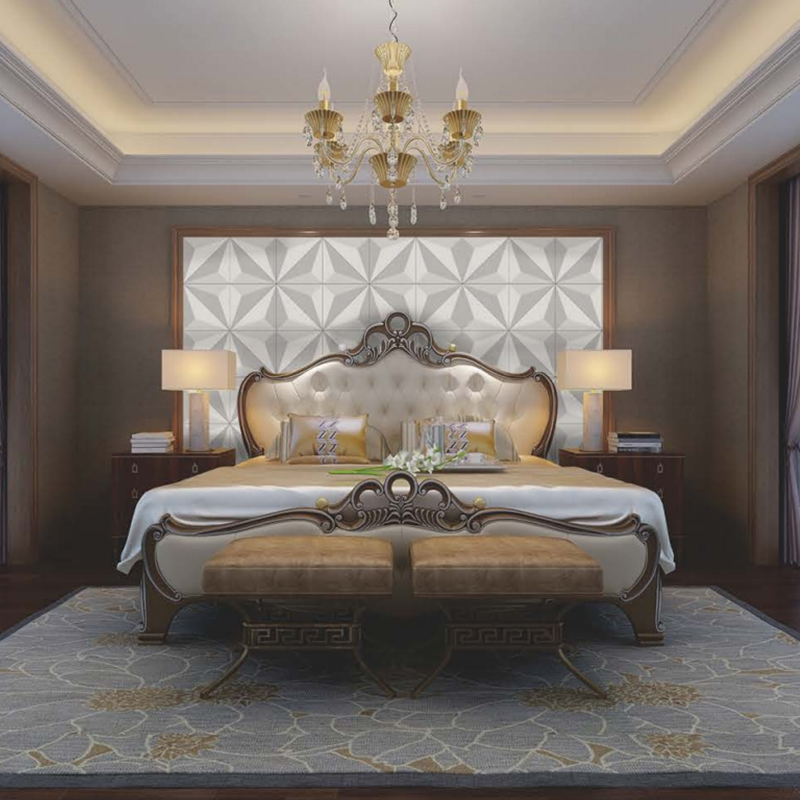
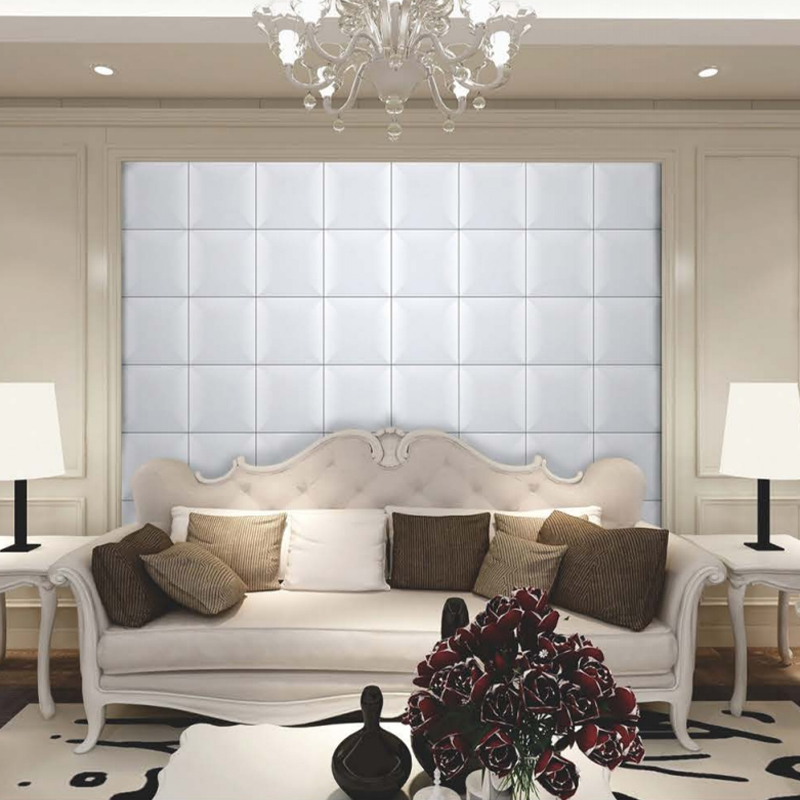 VIEW MOREPVC Wall Panels-PVC
 -
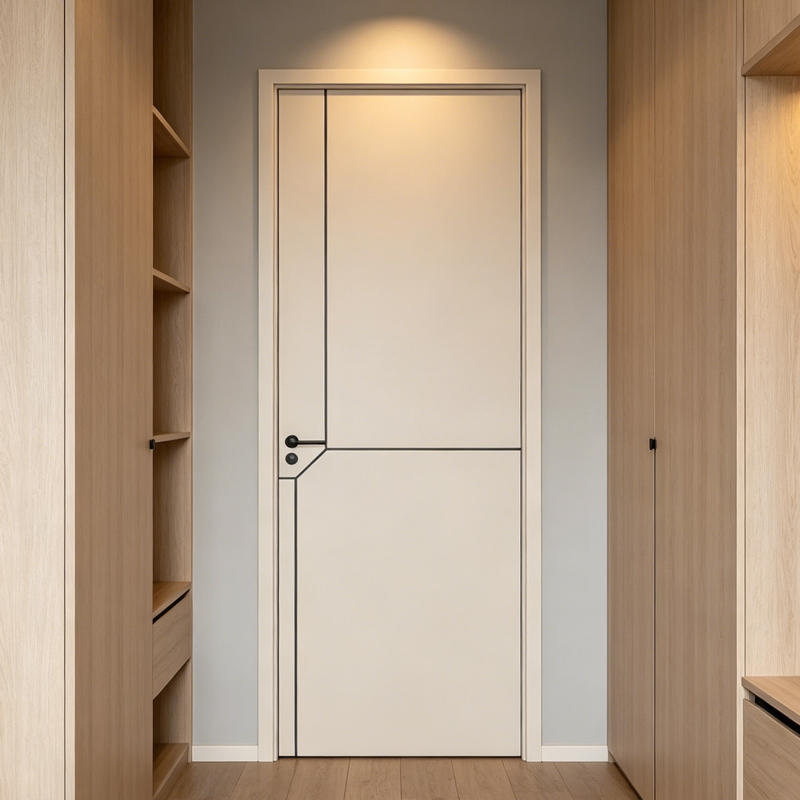
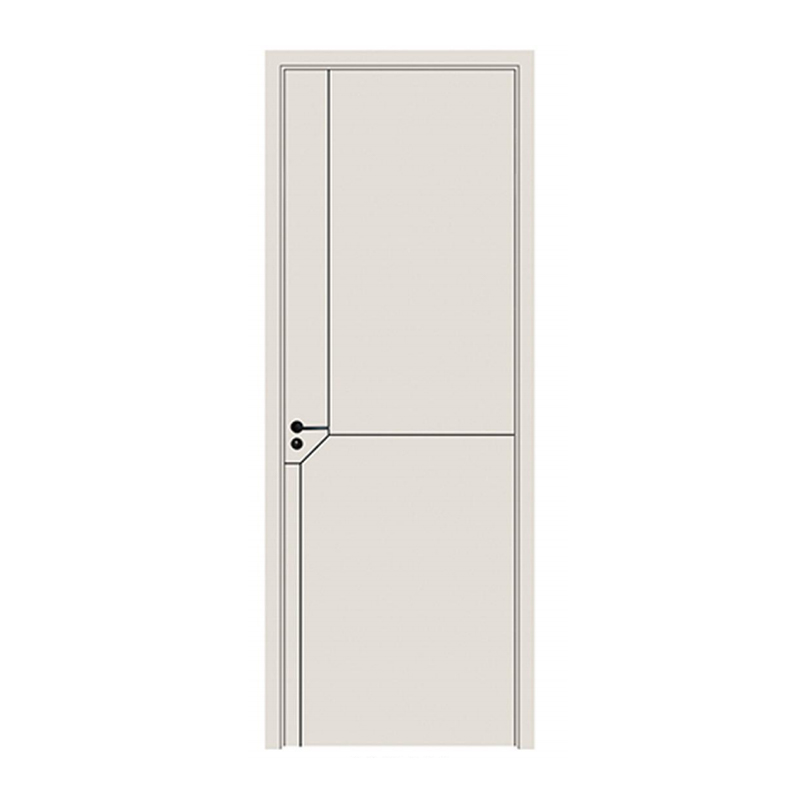 VIEW MORECabinet Door
 -
 VIEW MOREFire-rated Door
 -
 VIEW MOREWood Veneer Door
 -
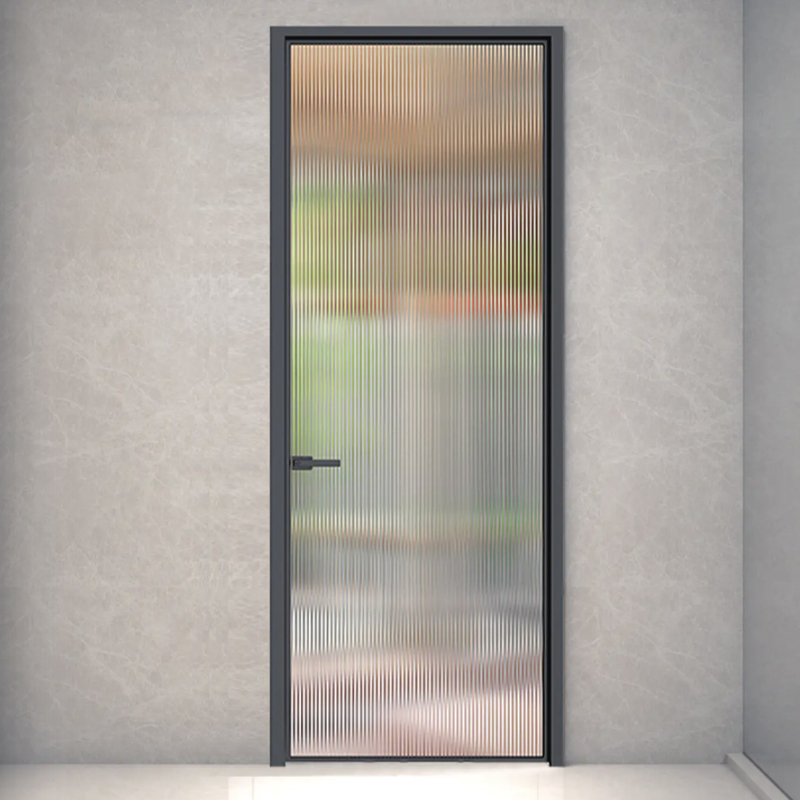
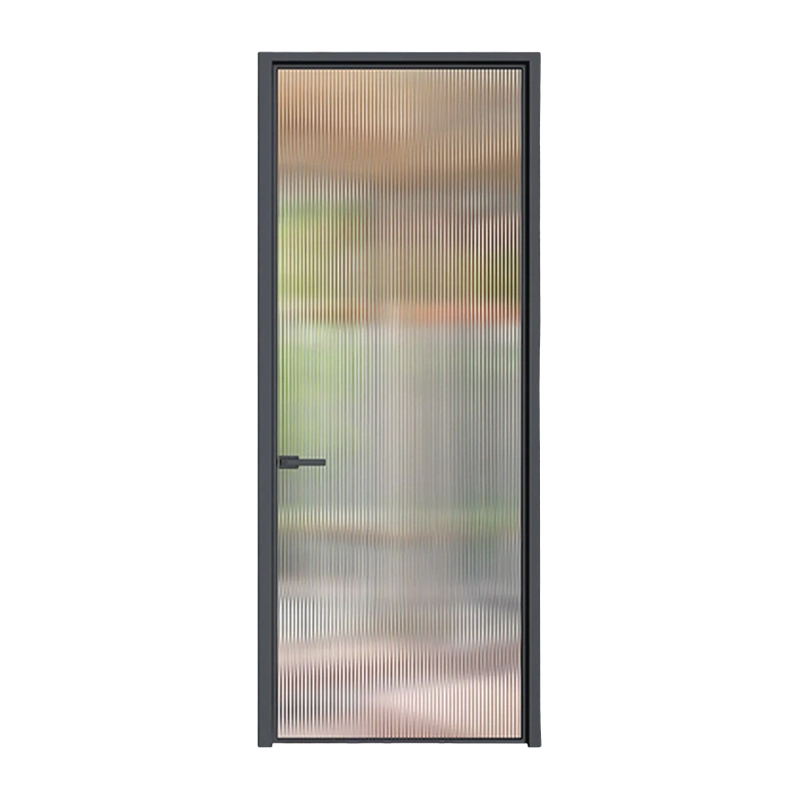 VIEW MOREAluminum Glass Door
 -
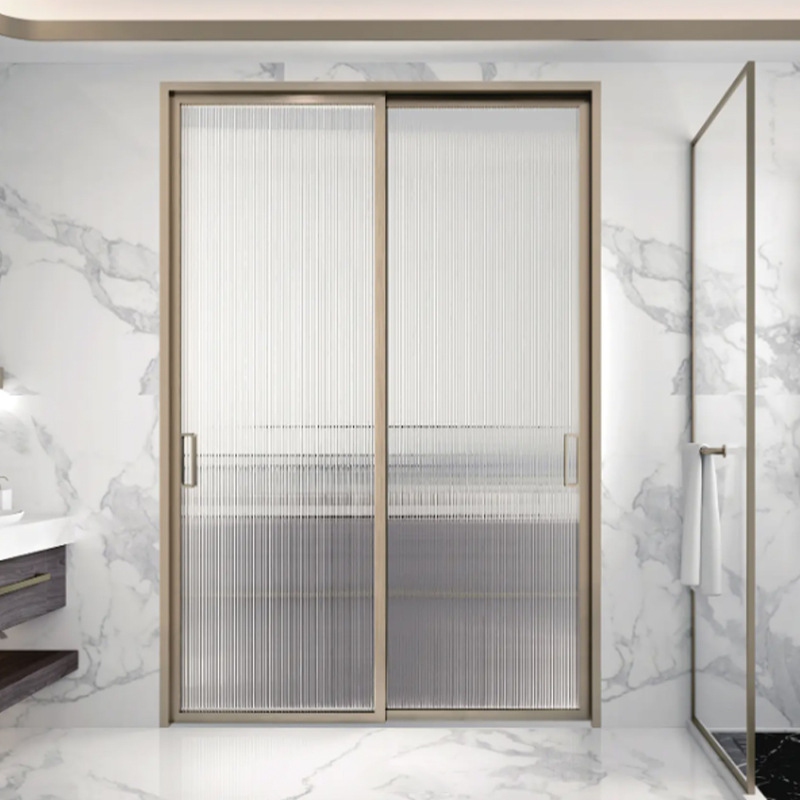
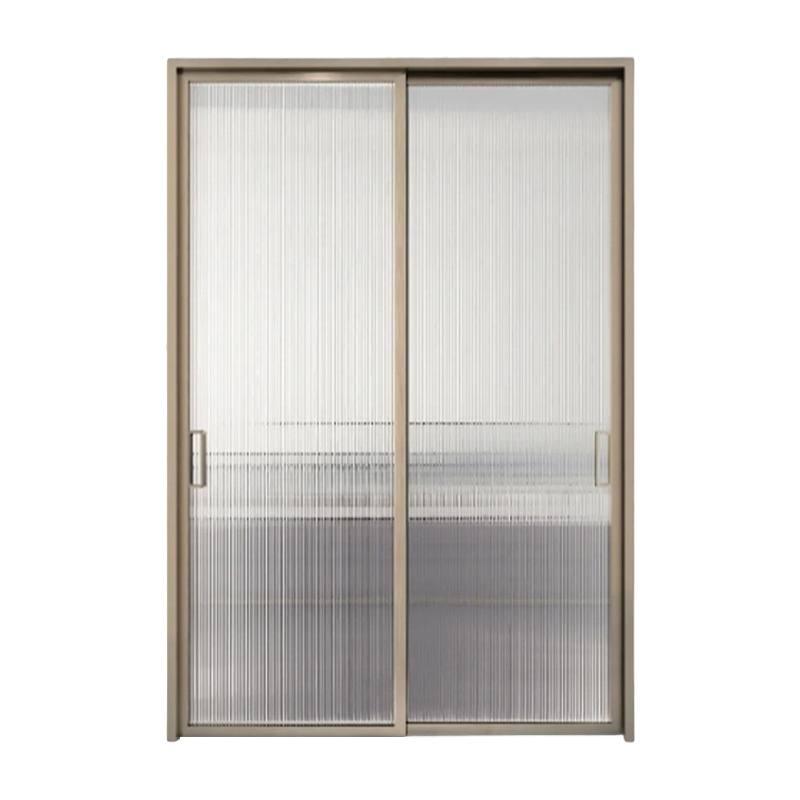 VIEW MOREBarn Door
 -
 VIEW MOREWPC Door
 -
 VIEW MOREMDF Combined Door


-
 Email: rainbow@toaofer.com
 -
 Mobile: +86-15300501061
 -
 Penglai Road 10#, Huangshan Economical Development Zone, Anhui Province, China.
Copyright © Aofer Hospitality Ltd.
All Rights Reserved.
 Wholesale Irregular / Abstract Coffee Tables Suppliers