
 Language
 English
 Español
 عربى
عربى Tiếng Việt
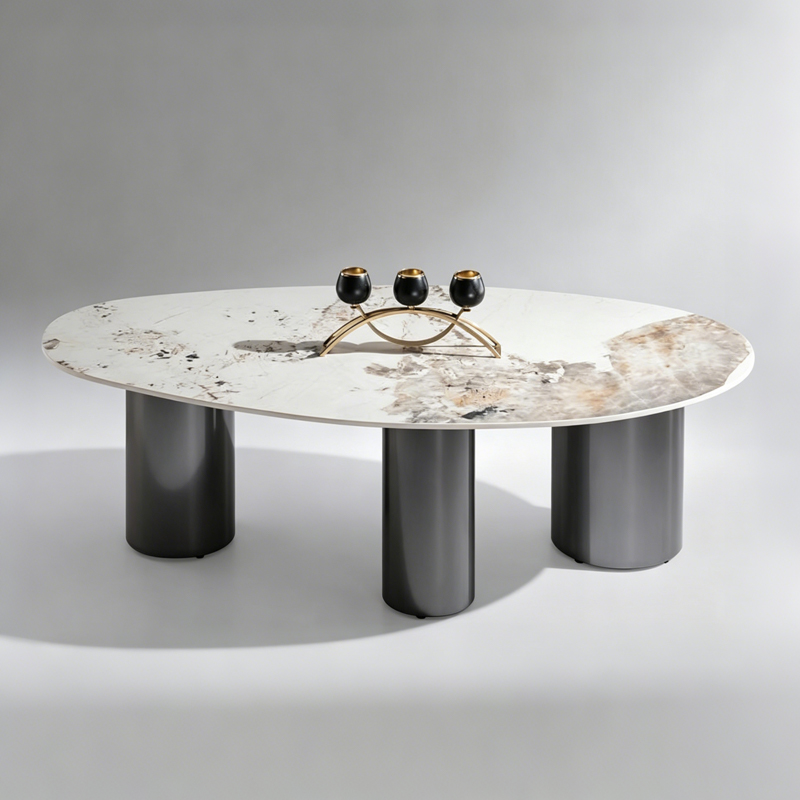
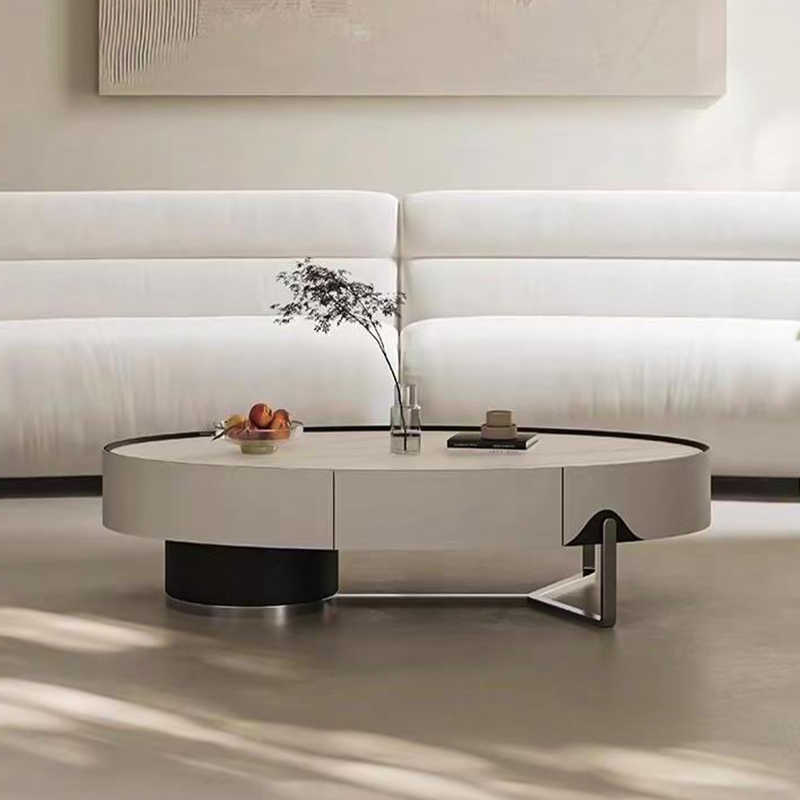
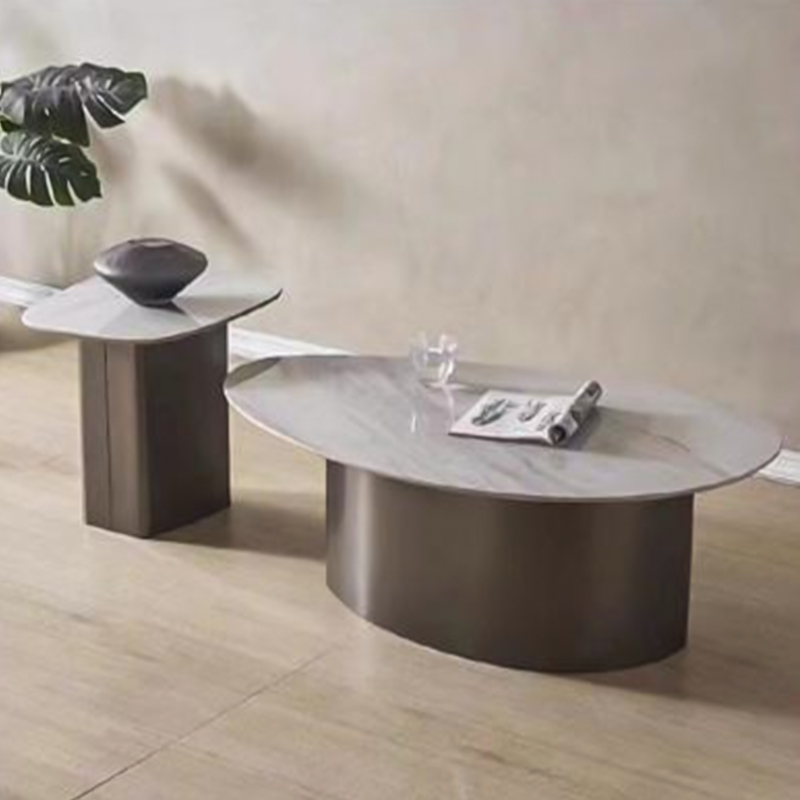
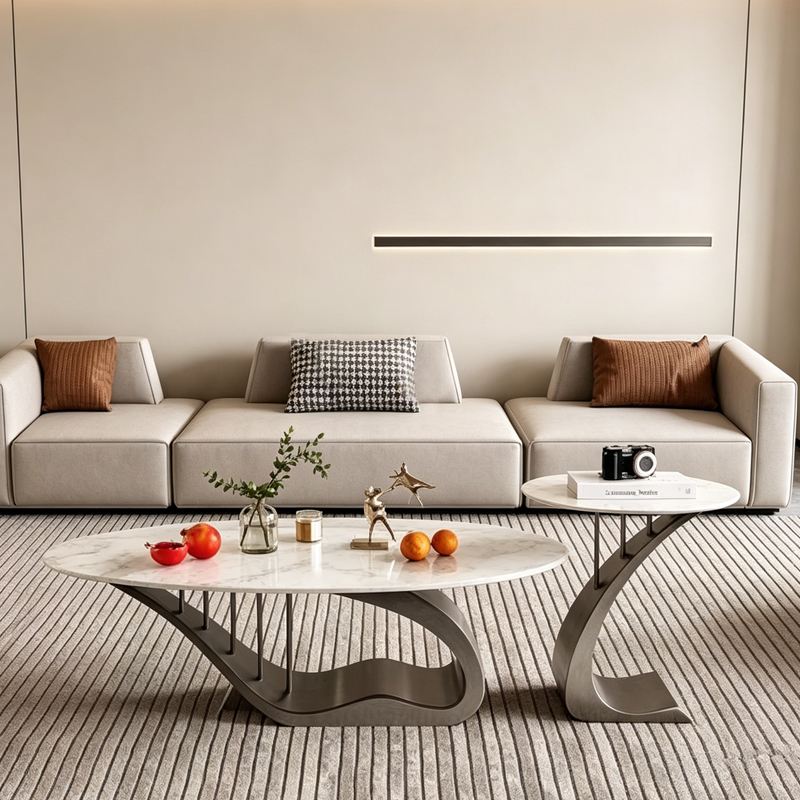
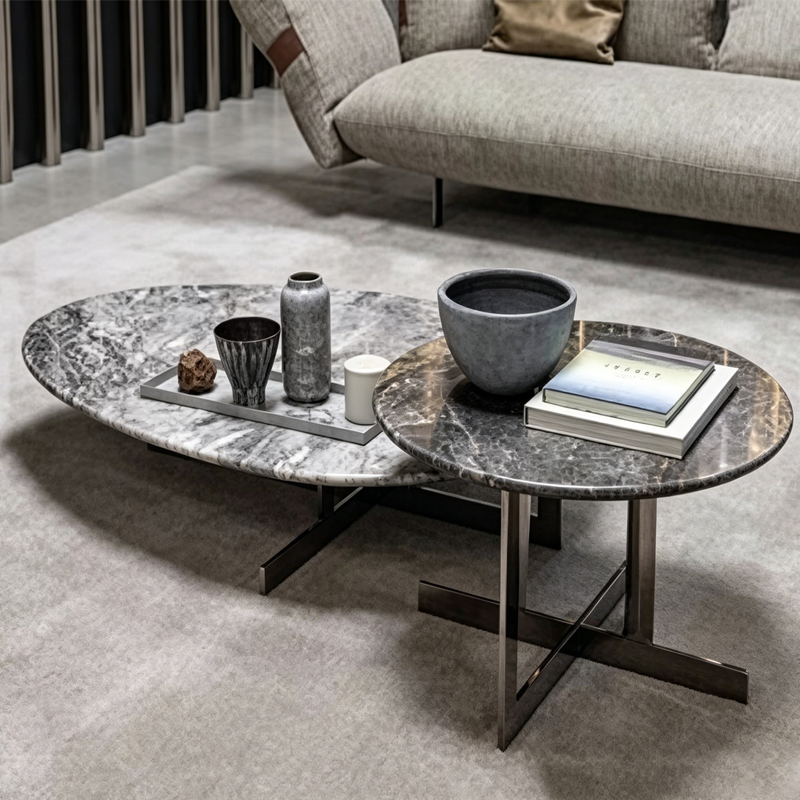
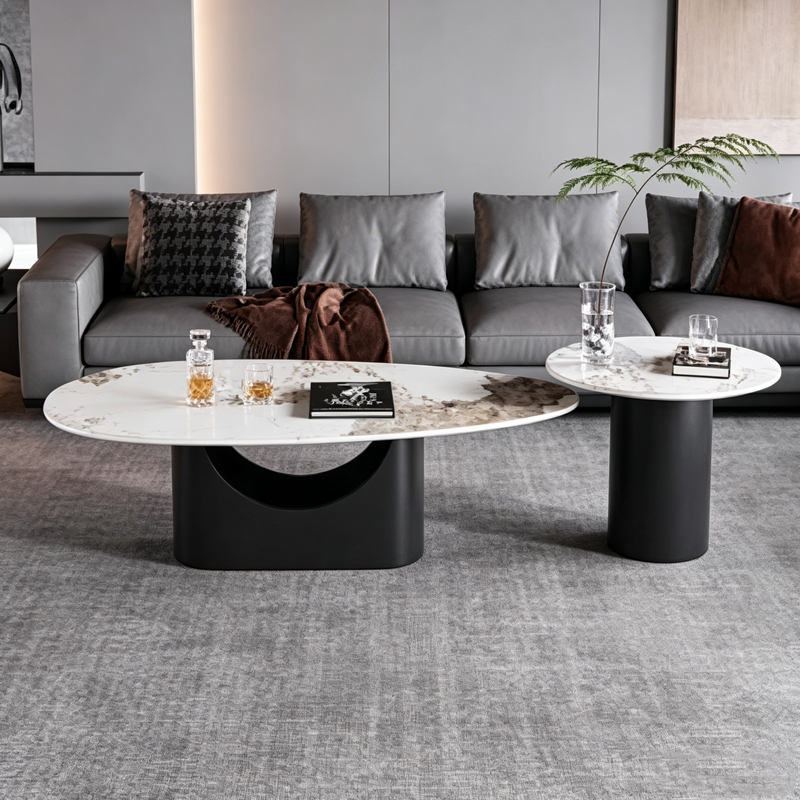
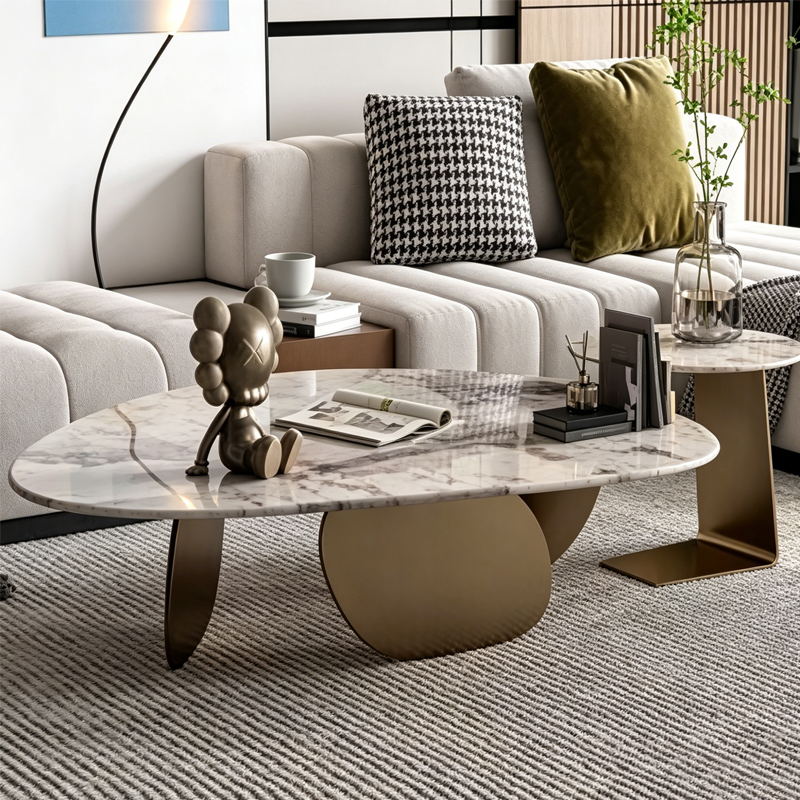
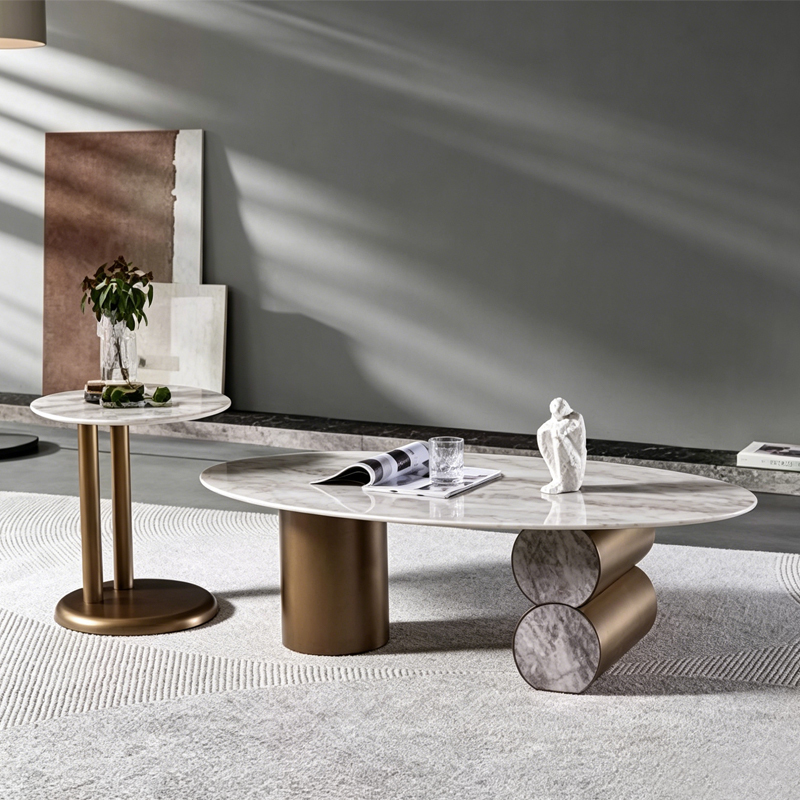
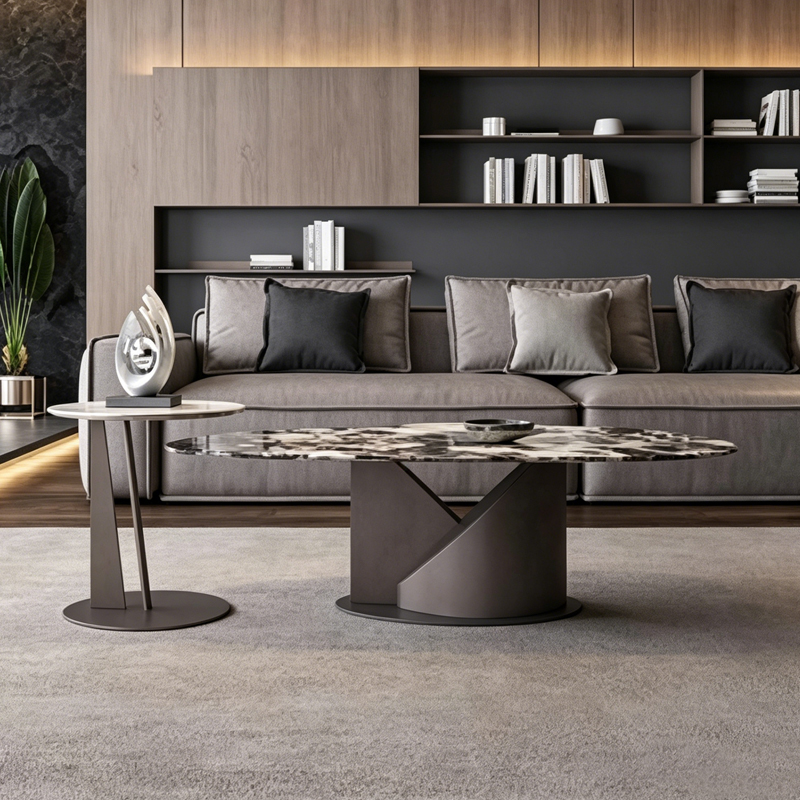
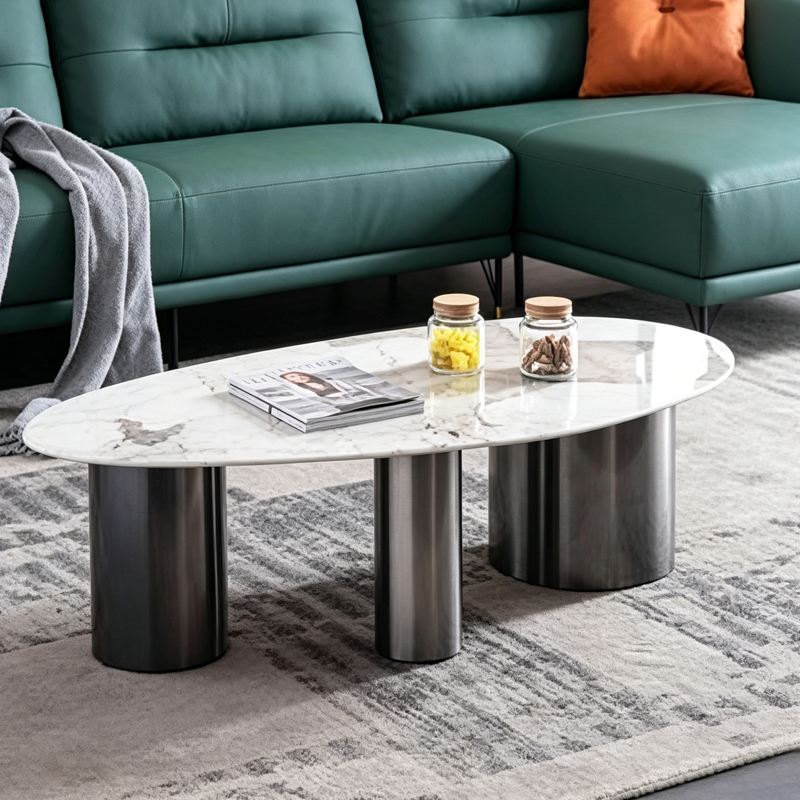
Oval Coffee Tables
Oval coffee tables are designed with smooth, curved silhouettes that bring a sense of softness and elegance to modern interiors. Compared to traditional rectangular or square tables, the oval shape reduces visual heaviness and eliminates sharp corners, creating a safer and more fluid spatial experience. They are widely used in living rooms, lounge areas, hospitality spaces, and contemporary commercial interiors, offering both functional utility and aesthetic value.
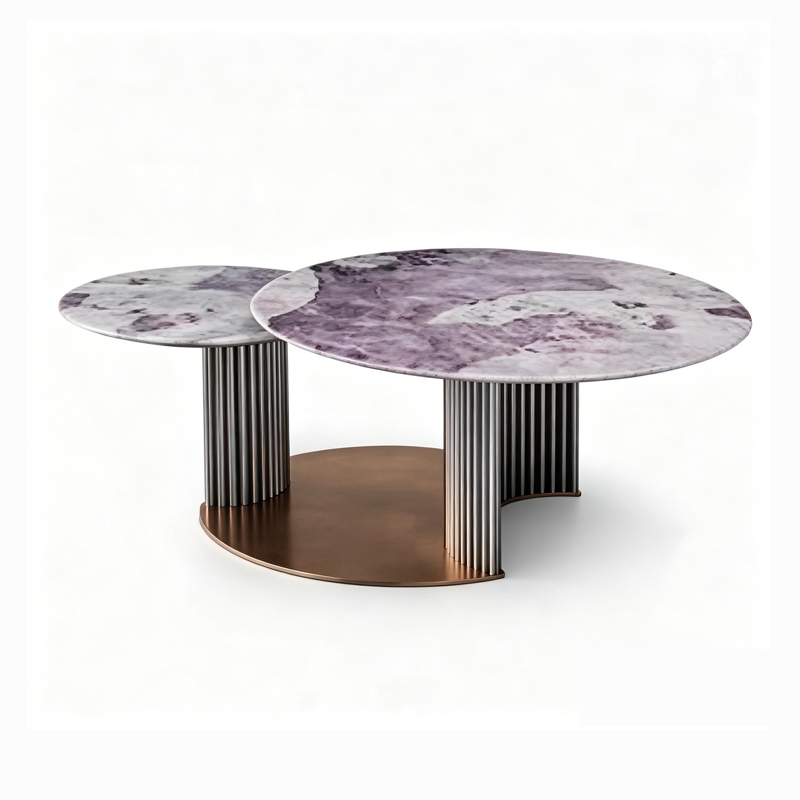
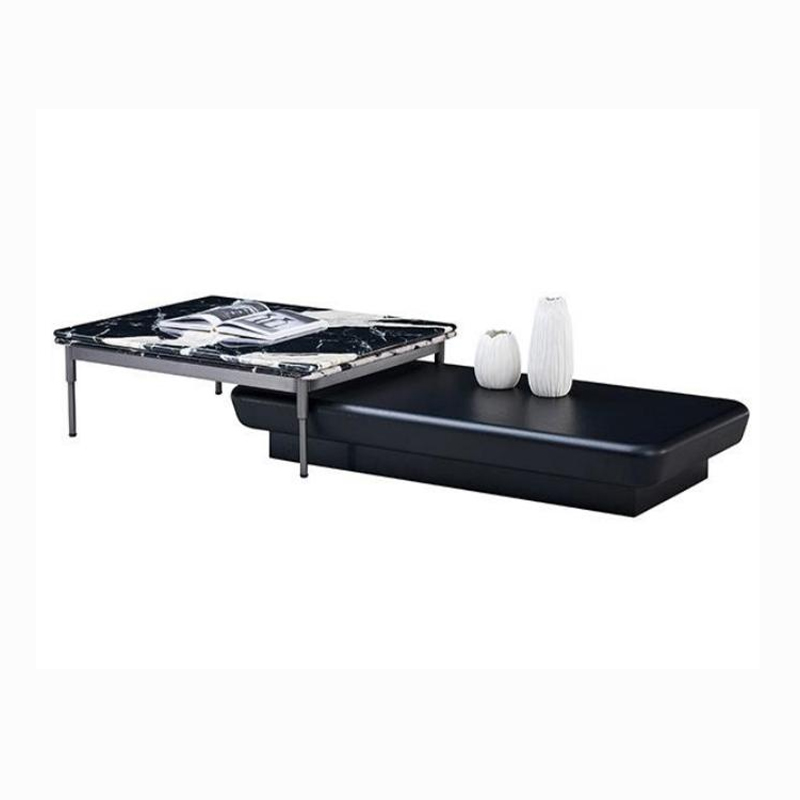
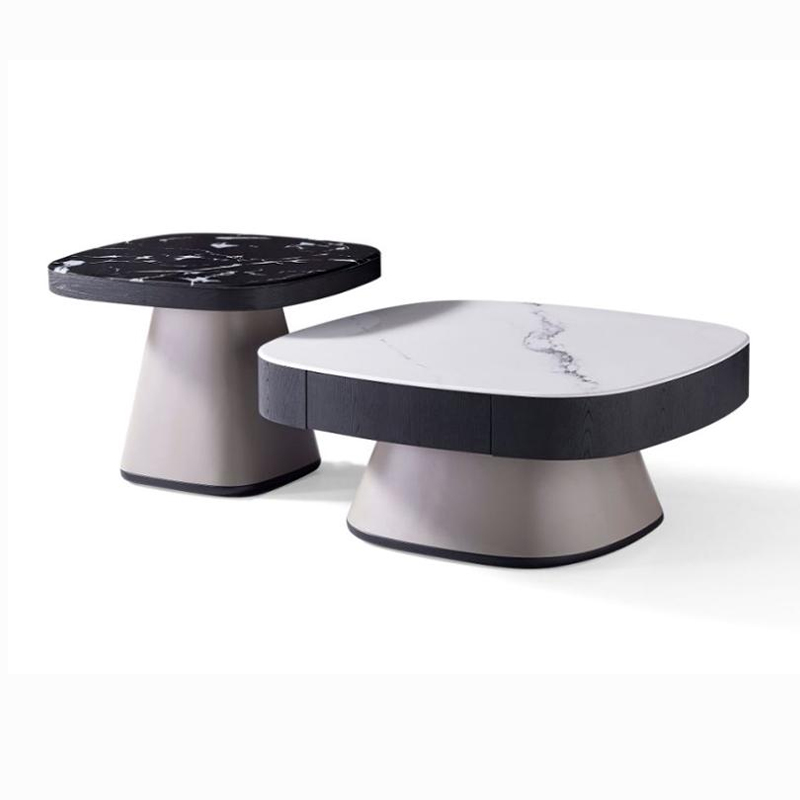
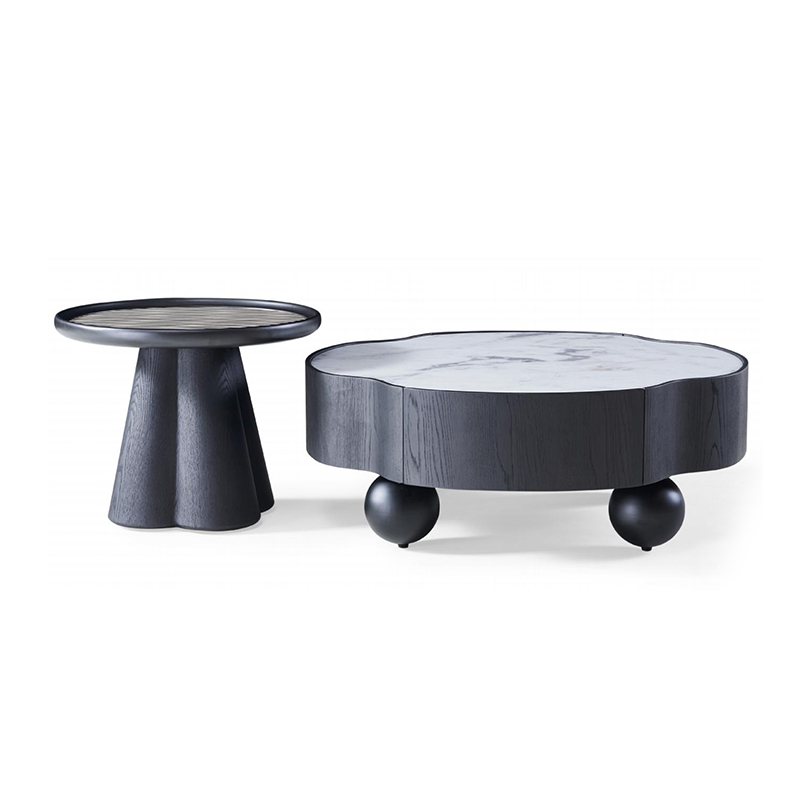
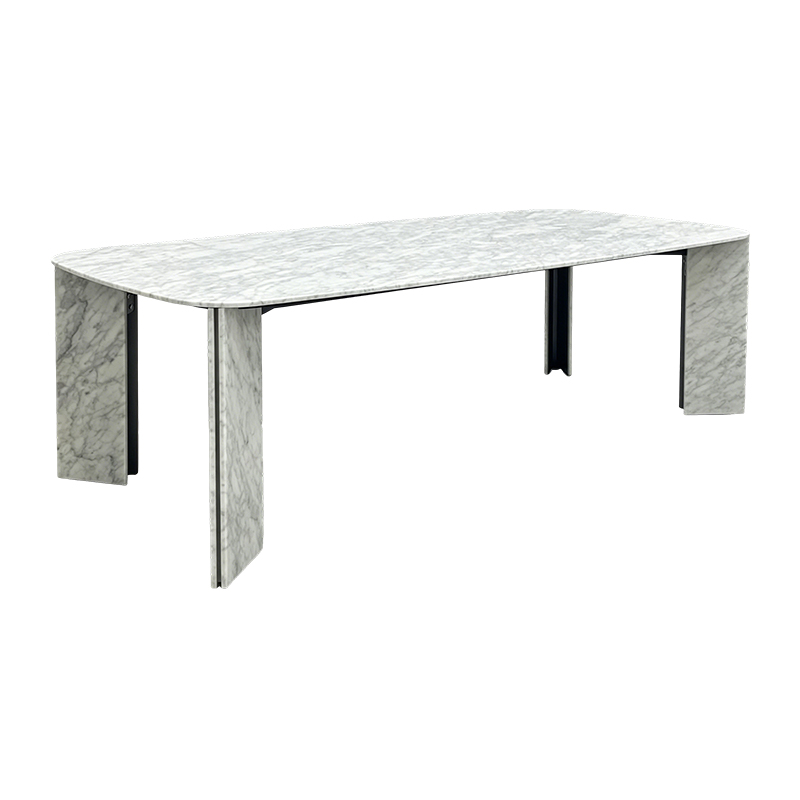
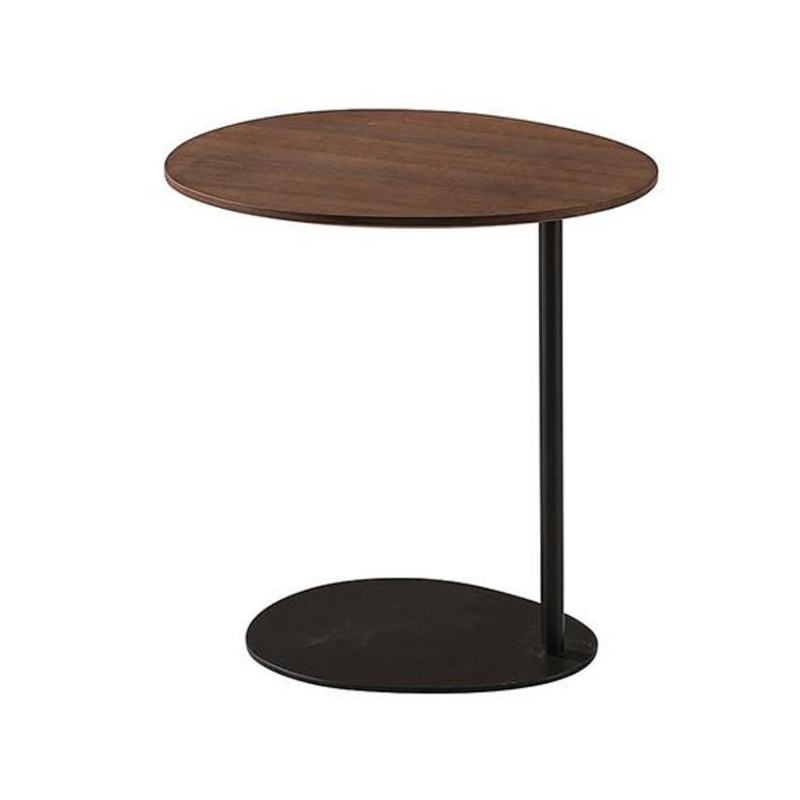
1. Fluid silhouette design: Enhances spatial harmony and visual flow;
2. Enhanced safety: No sharp corners, ideal for families with children or pets;
3. Strong spatial adaptability: Suitable for small, medium, and large living areas;
4. Multi-material options: Available in wood, marble, metal, and glass combinations;
5. Improved spatial perception: Optimizes narrow or elongated spaces visually;
6. Stable structure: Reinforced bases ensure durability and load-bearing strength.
1. Living room centerpiece: Functions as a core coffee table for sofa arrangements;
2. Hospitality and reception areas: Suitable for hotel lobbies and office lounges;
3. Apartments and compact spaces: Enhances usability without visual clutter;
4. Commercial display environments: Ideal for showrooms and model apartments;
5. Modern and luxury interiors: Elevates overall interior design quality.
Oval coffee tables adapt seamlessly to various interior styles through material and structural variations.
1. Modern minimalist: Clean lines with functional simplicity;
2. Scandinavian style: Natural wood tones for a warm atmosphere;
3. Luxury modern: Marble and metal accents for premium aesthetics;
4. Industrial style: Metal frames with darker surfaces for a bold look.
• Solid wood: Natural texture with strong durability;
• Marble top: Premium appearance for luxury interiors;
• Tempered glass: Lightweight visual transparency for modern spaces;
• Metal frame: Enhances stability and industrial appeal;
• Engineered boards: Cost-effective solution for large-scale projects.
1. Clean surface regularly to prevent dust accumulation;
2. Avoid placing heavy objects in concentrated areas for long periods;
3. Keep sharp objects away to prevent surface scratches;
4. Avoid prolonged moisture exposure for wooden materials;
5. Prevent acidic liquids from contacting marble surfaces.
-
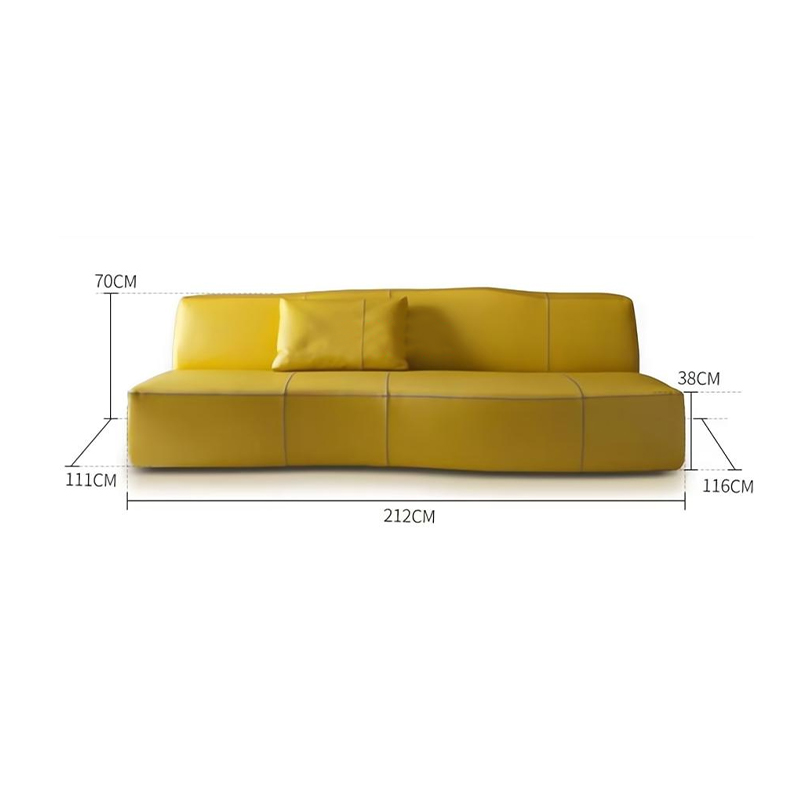 VIEW MOREcustom curved shaped sofa for reception areas: Practical Applications, Selection
 -
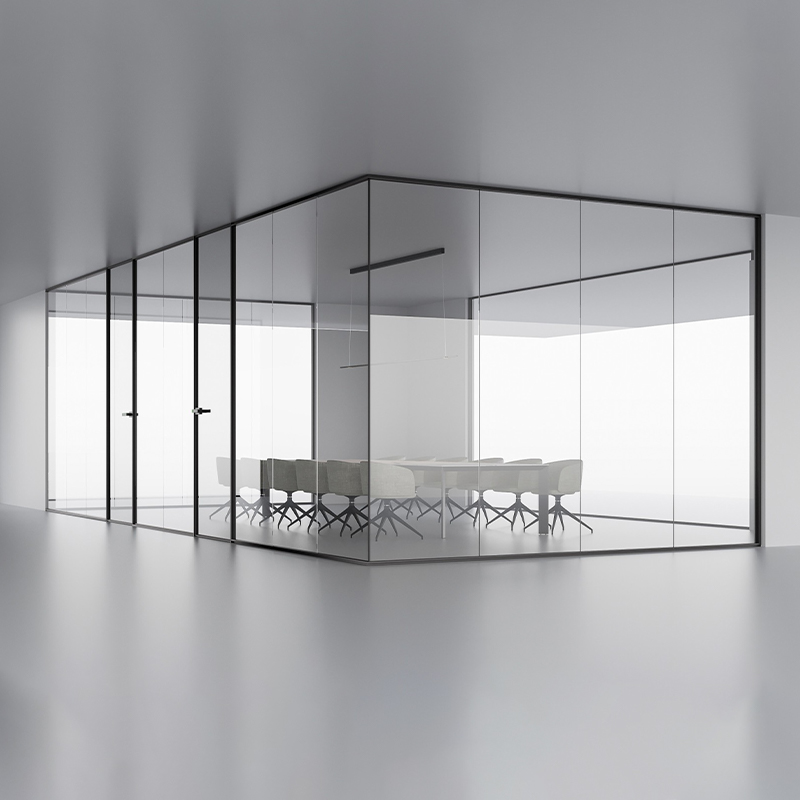
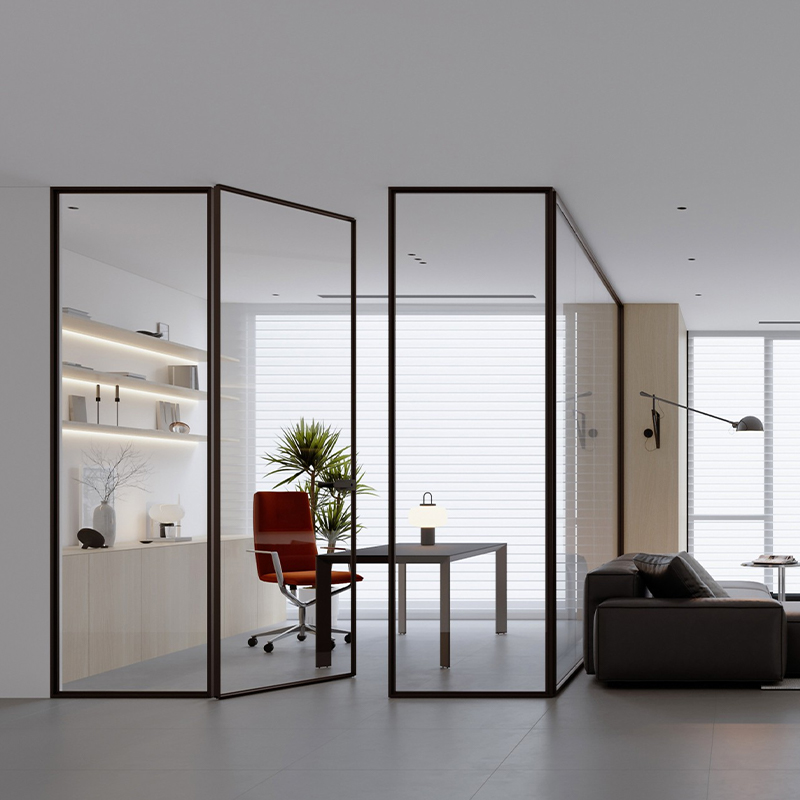 VIEW MOREIntegrated Wallboards
 -
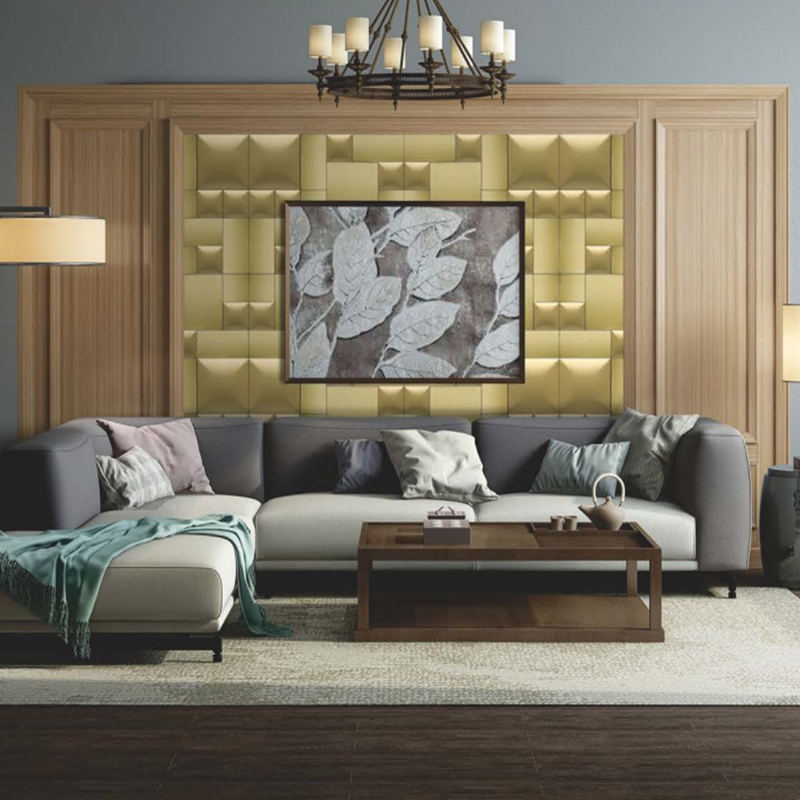
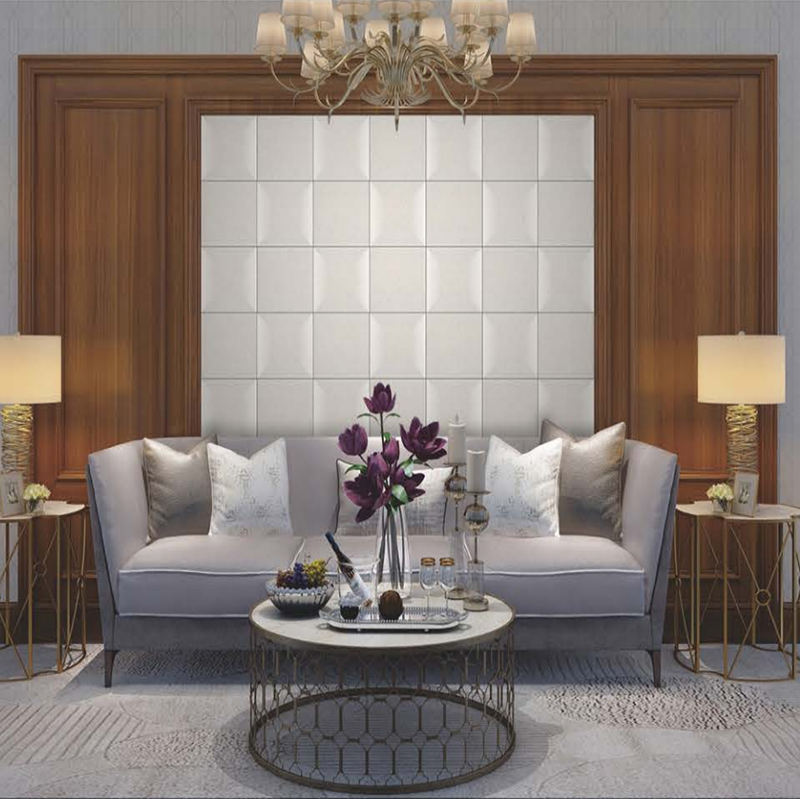 VIEW MOREWood Veneer Panels
 -
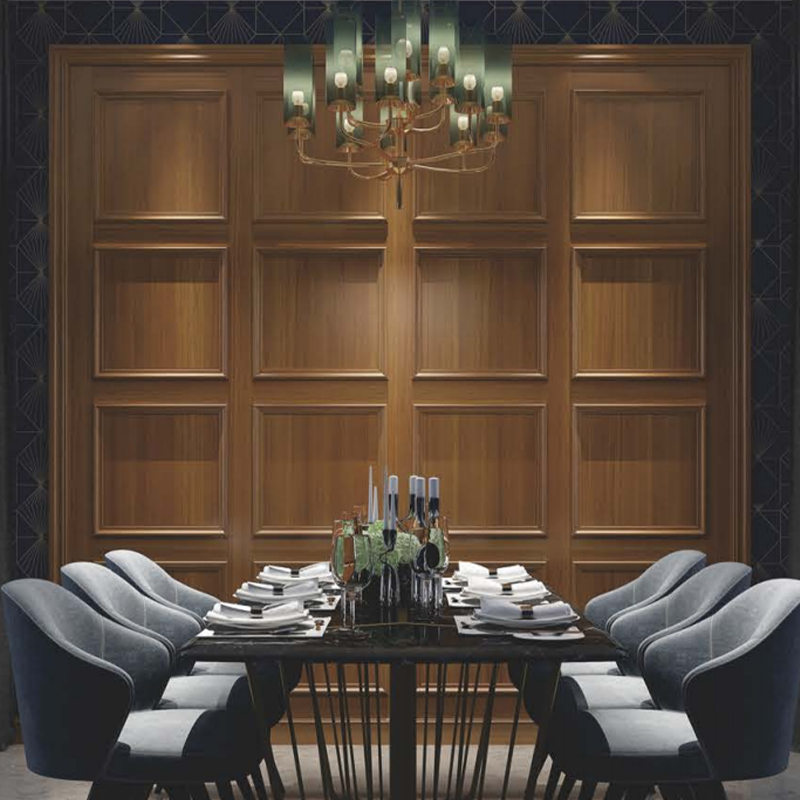
 VIEW MORESolid Wood Panels
 -
 VIEW MOREPVC Wall Panels-PVC
 -
 VIEW MORECabinet Door
 -
 VIEW MOREFire-rated Door
 -
 VIEW MOREWood Veneer Door
 -
 VIEW MOREAluminum Glass Door
 -
 VIEW MOREBarn Door
 -
 VIEW MOREWPC Door
 -
 VIEW MOREMDF Combined Door


-
 Email: rainbow@toaofer.com
 -
 Mobile: +86-15300501061
 -
 Penglai Road 10#, Huangshan Economical Development Zone, Anhui Province, China.
Copyright © Aofer Hospitality Ltd.
All Rights Reserved.
 Wholesale Oval Coffee Tables Suppliers