Language
 English
 Español
 عربى
 Tiếng Việt
Content
- 1 What Defines a Reconfigurable Modular Sectional Sofa System
- 2 Fixed Sectionals vs. Modular Systems: Measurable Differences
- 3 How to Evaluate Reconfigurable Modular Sectional Sofas Manufacturers
- 4 Real-World Application: Villa Living Room Configuration
- 5 Manufacturing Quality Indicators for Hospitality-Grade Systems
- 6 Procurement Checklist for Reconfigurable Modular Sectionals
- 7 Frequently Asked Questions
- 7.1 How long does a reconfigurable modular sectional typically last in a hotel lobby?
- 7.2 Can modular sofas be configured into curved or angular arrangements?
- 7.3 What is the typical lead time for custom fabric and finish options?
- 7.4 Do modular systems require professional installation for reconfiguration?
A hotel lobby reconfiguration or a villa's open-plan living area can demand seating that adapts to irregular floor plates, changing occupancy, and varying event layouts. Standard fixed-section sofas often require costly redesigns or replacement when spatial needs shift. This is where reconfigurable modular sectional sofas manufacturers provide a strategic advantage, enabling hospitality buyers and designers to specify seating systems that rearrange, expand, or contract without scrapping the entire unit.
What Defines a Reconfigurable Modular Sectional Sofa System
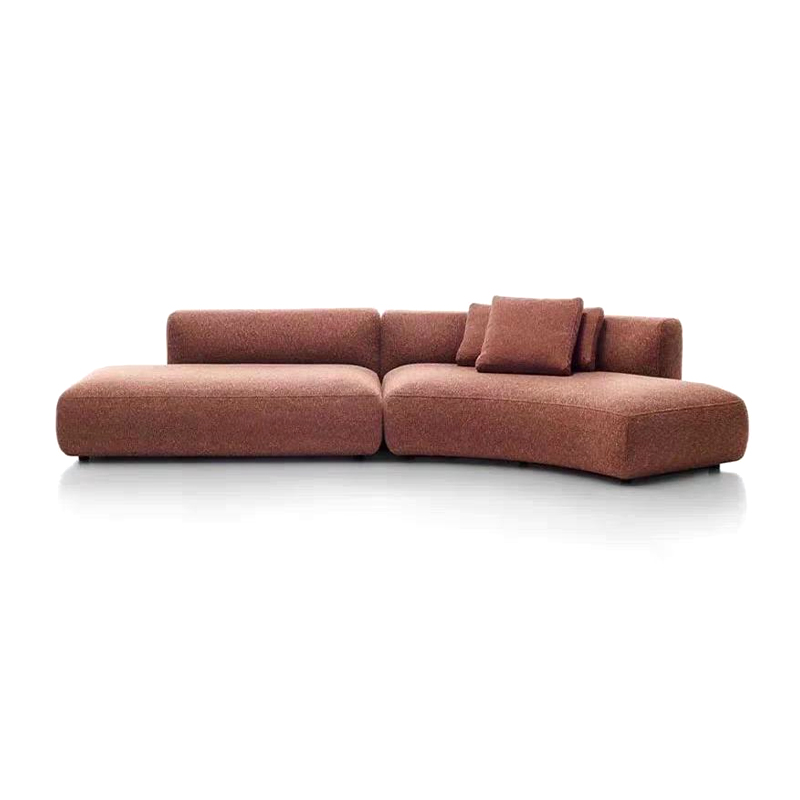
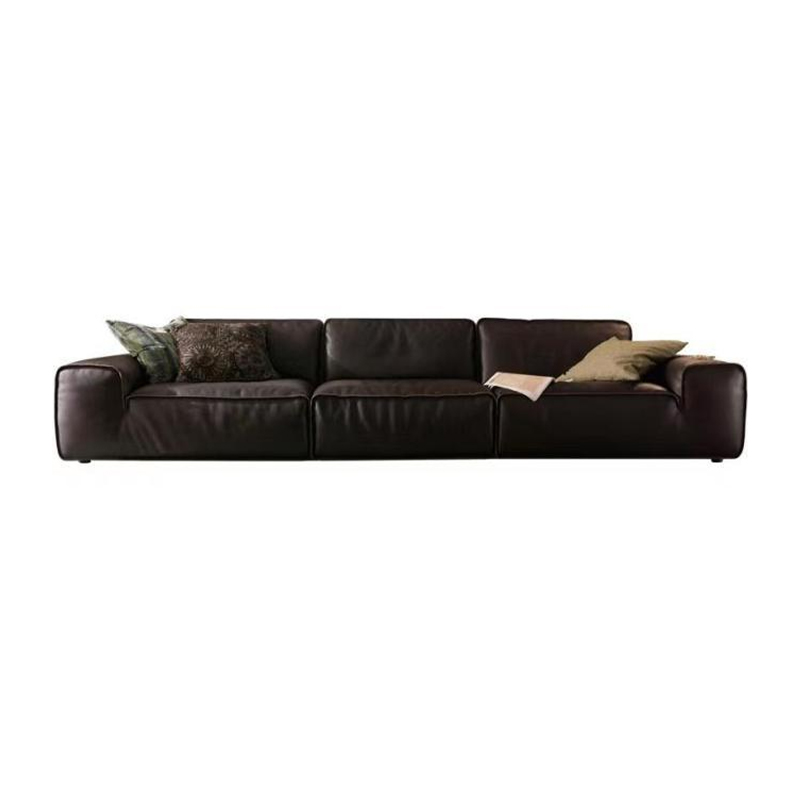
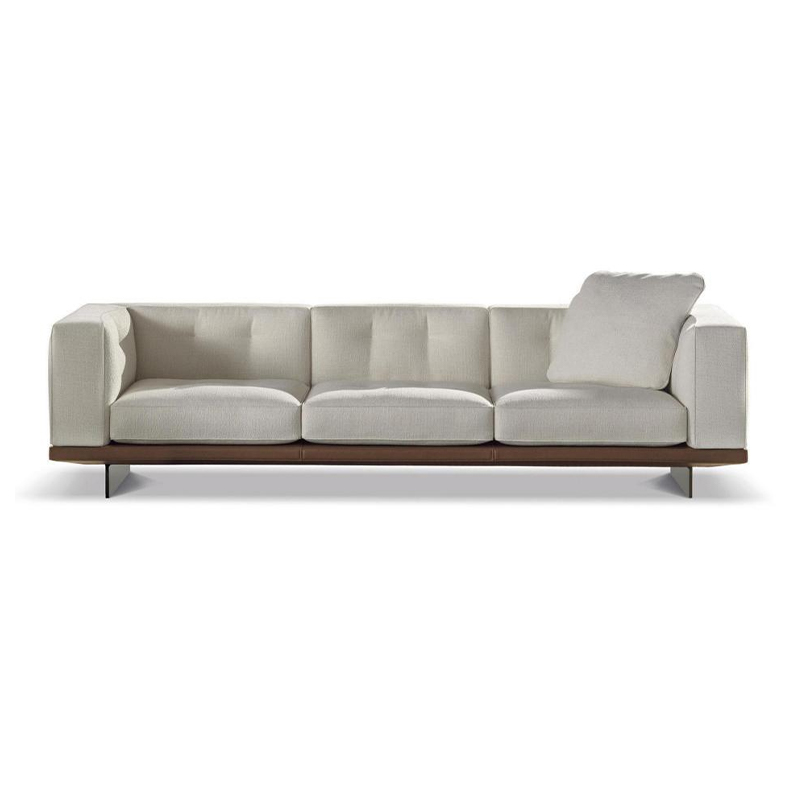
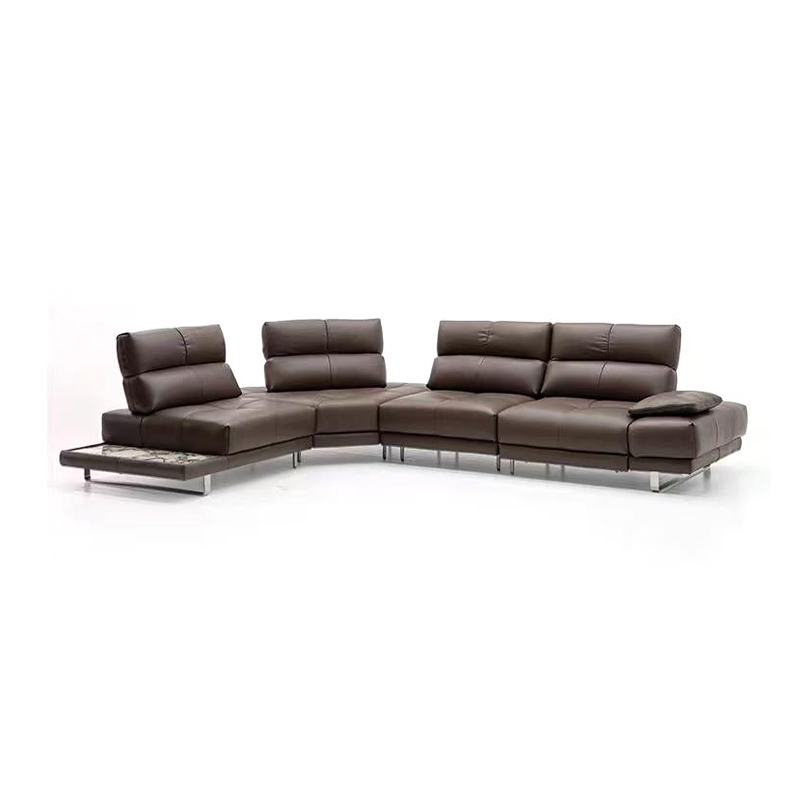
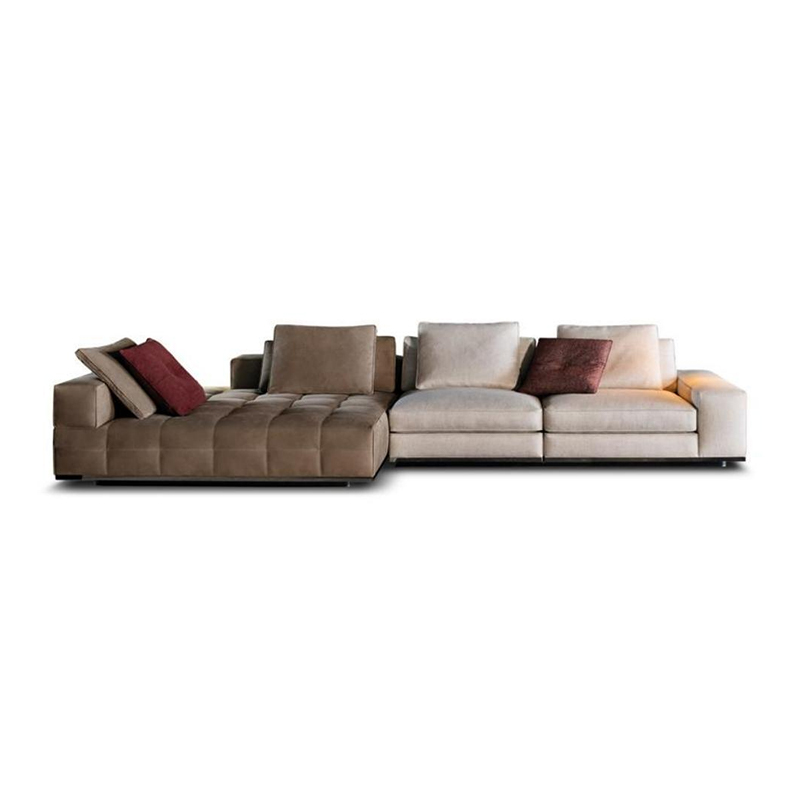
A reconfigurable modular sectional sofa is a seating system composed of independent, interchangeable units — typically including corner modules, armless seats, ottomans, chaises, and connector pieces — that can be rearranged into multiple configurations. Unlike fixed-sectionals, these systems allow individual modules to be swapped, added, or removed without structural modification.
Key characteristics that distinguish genuine modular systems from conventional sectionals include:
- Standardized connector interfaces that allow modules to lock together in different arrangements
- Interchangeable arm, back, and seat cushions across the entire system
- Structural frames rated for repeated assembly and disassembly cycles without sagging
- Consistent module dimensions that maintain visual alignment in any configuration
Fixed Sectionals vs. Modular Systems: Measurable Differences
The operational cost of replacing a fixed sectional in a 150-room hotel property can exceed $18,000 per lobby area. Modular systems reduce this to component-level replacement costs, typically 30–50% lower over a five-year lifecycle. The table below summarizes the critical differentiators for procurement teams.
| Attribute | Fixed Sectional | Modular Sectional |
| Reconfiguration cost | Full replacement ($12k–$20k) | Component swap ($400–$2k per module) |
| Layout flexibility | Single fixed shape | L-shape, U-shape, straight, curved |
| Reassembly durability | Not designed for re-assembly | Rated for 50+ cycles |
| Inventory risk | High — entire unit obsolete | Low — upgrade individual modules |
| Lead time for change | 8–12 weeks | 2–4 weeks |
How to Evaluate Reconfigurable Modular Sectional Sofas Manufacturers
Frame Construction and Material Specifications
The structural frame determines whether a modular sofa survives repeated reconfiguration. Look for kiln-dried hardwood frames with metal corner blocks and reinforced joinery rated for 250 lb per seat minimum. Plywood-based frames with dowel joints frequently fail after 15–20 reassembly cycles, whereas bolt-and-bracket systems maintain integrity beyond 100 cycles.
Connector Mechanism Design
Three connector types dominate the market: clip-lock systems (fast but lower shear strength), bolt-plate systems (higher strength but slower to reconfigure), and magnetic-align systems (moderate strength, tool-free). For hotel properties where staff may reconfigure seating weekly, clip-lock or magnetic systems balance speed with sufficient structural hold. For high-traffic lobbies with daily guest usage, bolt-plate connectors provide superior long-term stability.
Upholstery and Cushion Interchangeability
The ability to swap cushion densities and fabrics across modules allows properties to replace high-wear sections without reupholstering the entire sofa. Manufacturers offering standardized cushion inserts with zippered, replaceable covers — like AOFER's removable cover system for removable cover sofas — enable on-site maintenance that extends the product's usable life by three to five years.
A modular system that cannot be reconfigured by a single technician within 30 minutes is not truly designed for operational flexibility. Procurement teams should request a live reconfiguration demo from reconfigurable modular sectional sofas manufacturers before committing to volume orders.
Real-World Application: Villa Living Room Configuration
In a luxury villa project in the Middle East, the interior design required a seating system that could function as a 14-foot straight sectional for formal entertaining on weekdays and transform into a U-shaped conversational pit for weekend family gatherings. The specified modular component sofas from AOFER achieved both layouts using 12 modules with four corner connectors, eliminating the need for separate furniture purchases. The villa's maintenance team now reconfigures the arrangement in under 25 minutes using a single hex tool.
Manufacturing Quality Indicators for Hospitality-Grade Systems
Reconfigurable modular sectional sofas manufacturers serving the hospitality sector must demonstrate compliance with contract-grade standards. Key indicators include:
- CAL 117 or EN 1021-1/2 fire retardancy certification for foam and fabric
- Sinuous spring or webbing rated for 100,000 cycles (ASTM E72 or equivalent)
- Fabric abrasion resistance of 30,000+ double rubs (Wyzenbeek) for commercial use
- Structural warranty terms covering reconfiguration fatigue for at least five years
Manufacturers like AOFER HOSPITALITY, backed by ISO and CE certifications, integrate these specifications into production lines serving hotels across Asia, the Middle East, and North America.
Average Per-Module Production Time Comparison (in working days)
Data sourced from manufacturing lead times across three supplier tiers serving hospitality projects.
Procurement Checklist for Reconfigurable Modular Sectionals
When evaluating reconfigurable modular sectional sofas manufacturers, use this checklist to standardize comparisons across suppliers.
Structural Evaluation
- Frame material and joinery certification documents
- Module weight limits and tested reconfiguration cycles
- Connector mechanism type and replacement part availability
- Floor-protection feet or glides included with each module
Operational Readiness
- Time required to reconfigure a standard 8-module system
- Tool requirements (single tool vs. multi-tool)
- Replacement cushion and cover lead times
- On-site training documentation provided
Frequently Asked Questions
How long does a reconfigurable modular sectional typically last in a hotel lobby?
With proper frame construction and commercial-grade upholstery, a modular sectional system in a hotel lobby environment can last 8–12 years. Module-level replacement extends this lifecycle because only high-wear components need swapping rather than the entire system.
Can modular sofas be configured into curved or angular arrangements?
Yes, many systems include wedge modules for curved layouts and 90-degree corner blocks for angular arrangements. This flexibility allows designers to create kidney-shaped, L-shaped, or U-shaped configurations from the same module inventory.
What is the typical lead time for custom fabric and finish options?
Most reconfigurable modular sectional sofas manufacturers offer standard fabrics in 4–6 weeks and custom COM (Customer's Own Material) in 8–10 weeks. Frame customization, such as adjusting seat depth by 1–2 inches, adds approximately two weeks to production.
Do modular systems require professional installation for reconfiguration?
Basic layout changes — rearranging modules or swapping corner positions — can be performed by properly trained hotel maintenance staff. Structural modifications involving connector mechanism replacement or frame disassembly should be handled by the manufacturer's installation team or a certified flooring contractor.