
 Language
 English
 Español
 عربى
عربى Tiếng Việt
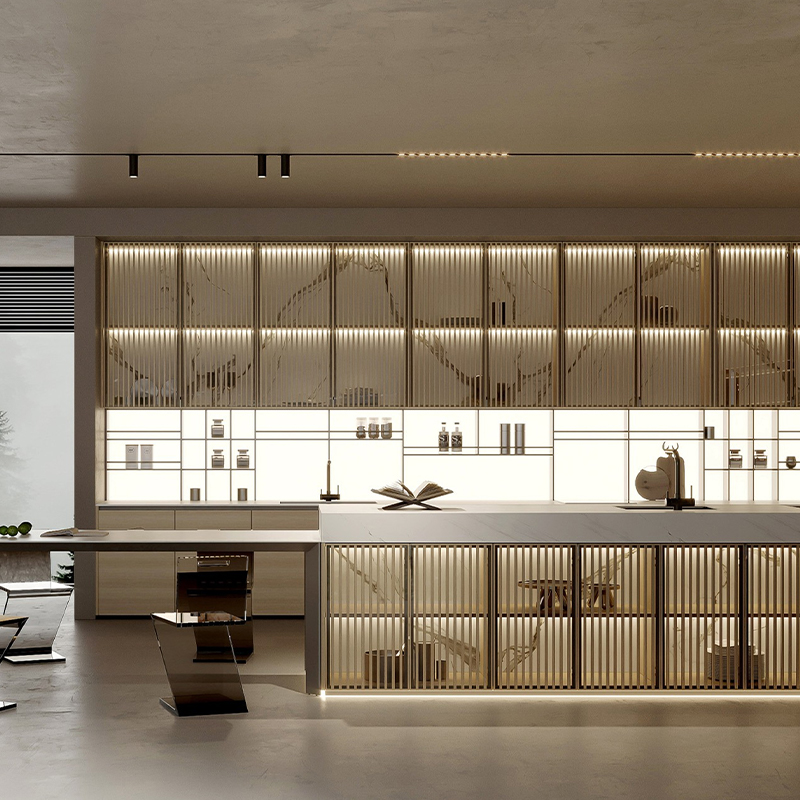
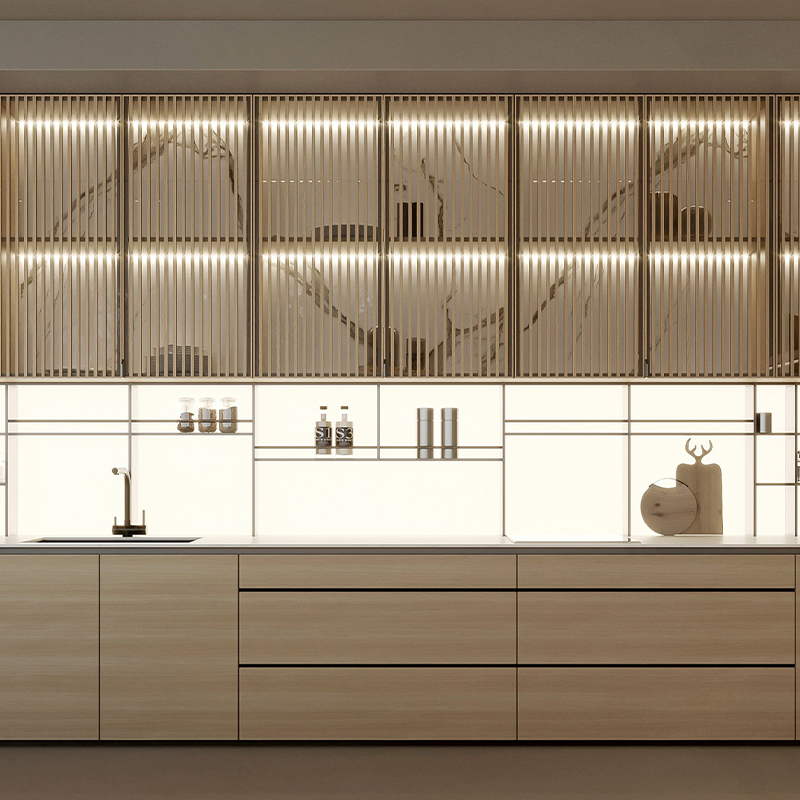
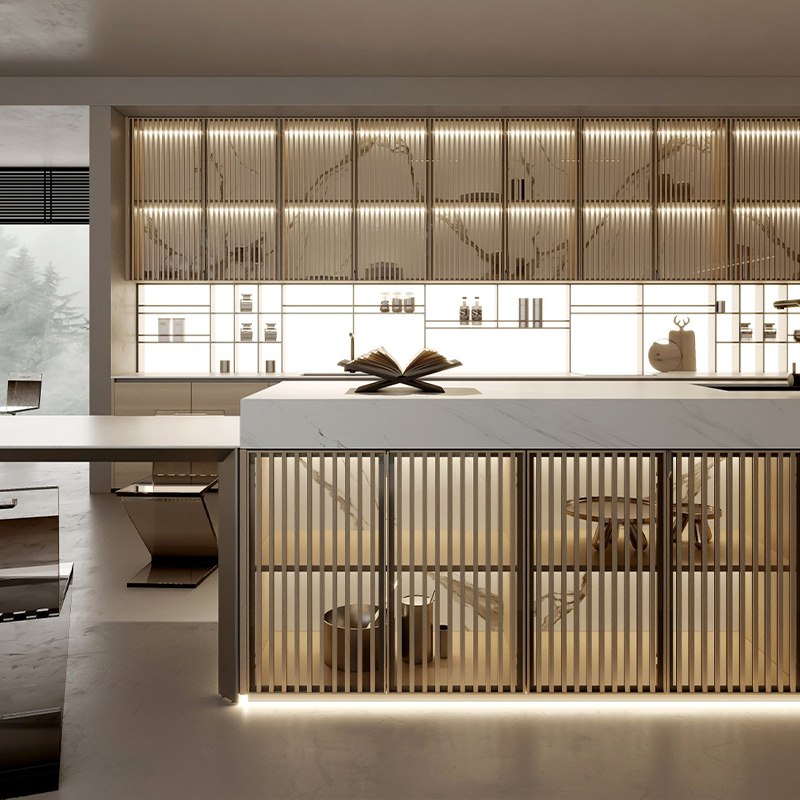
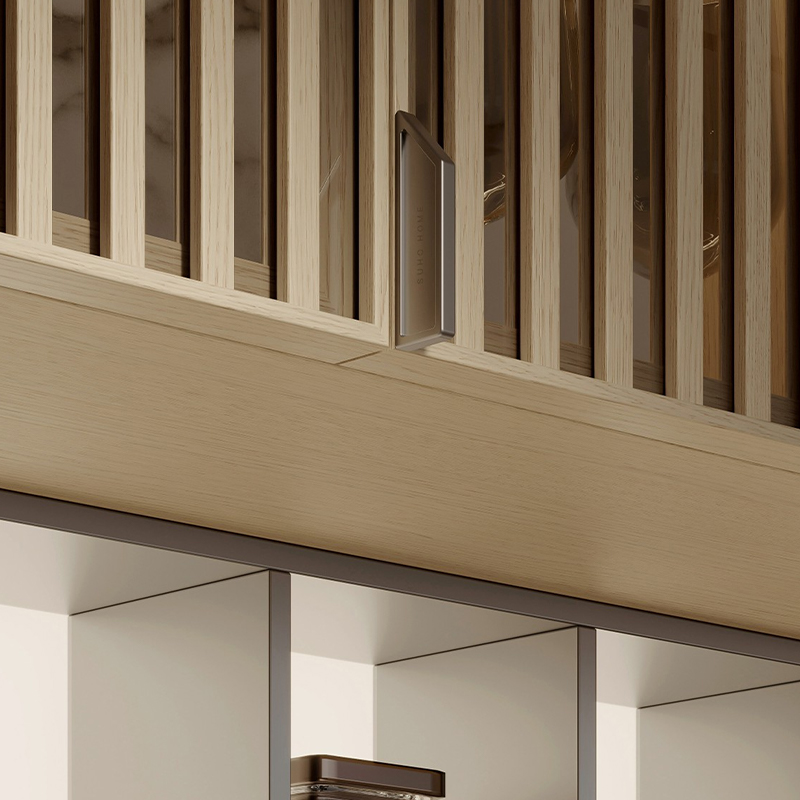
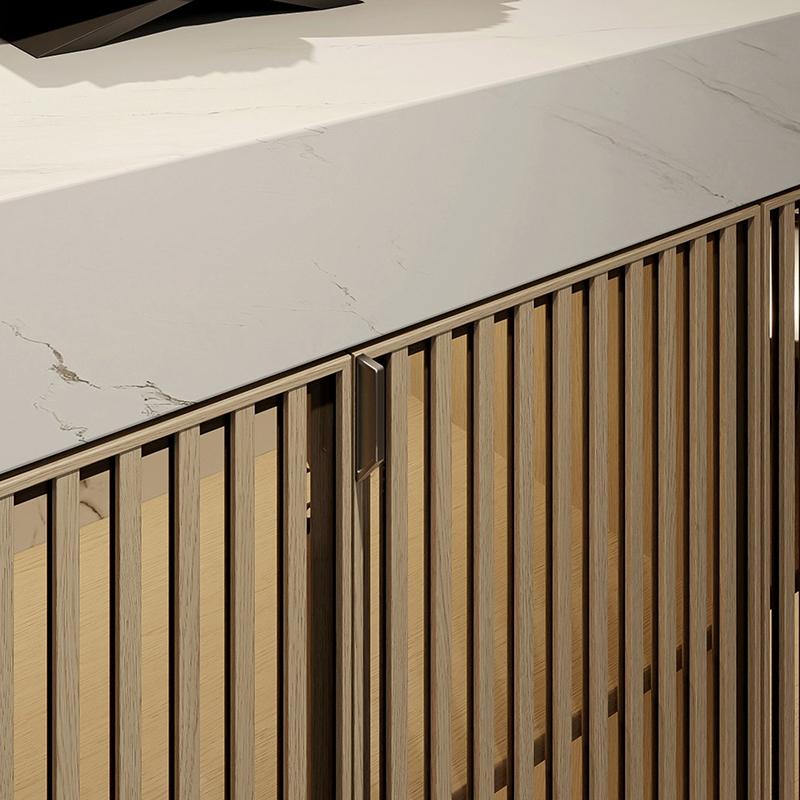
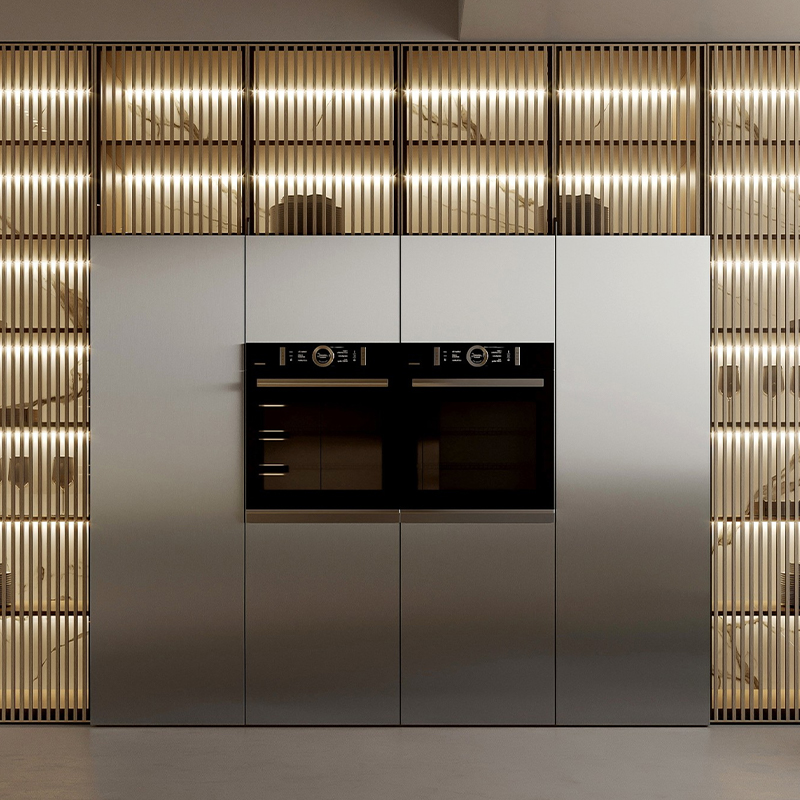
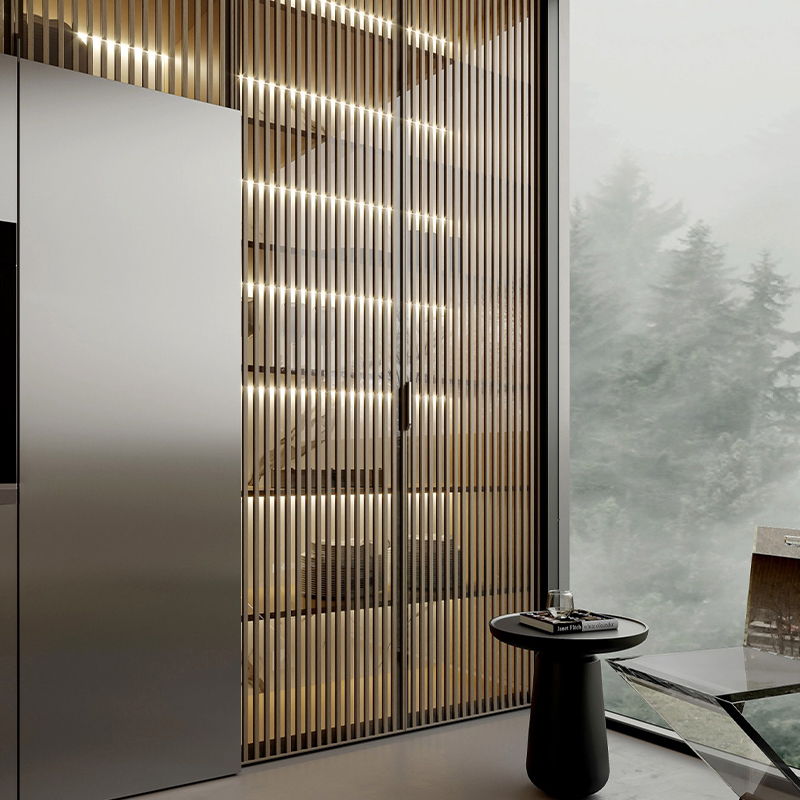
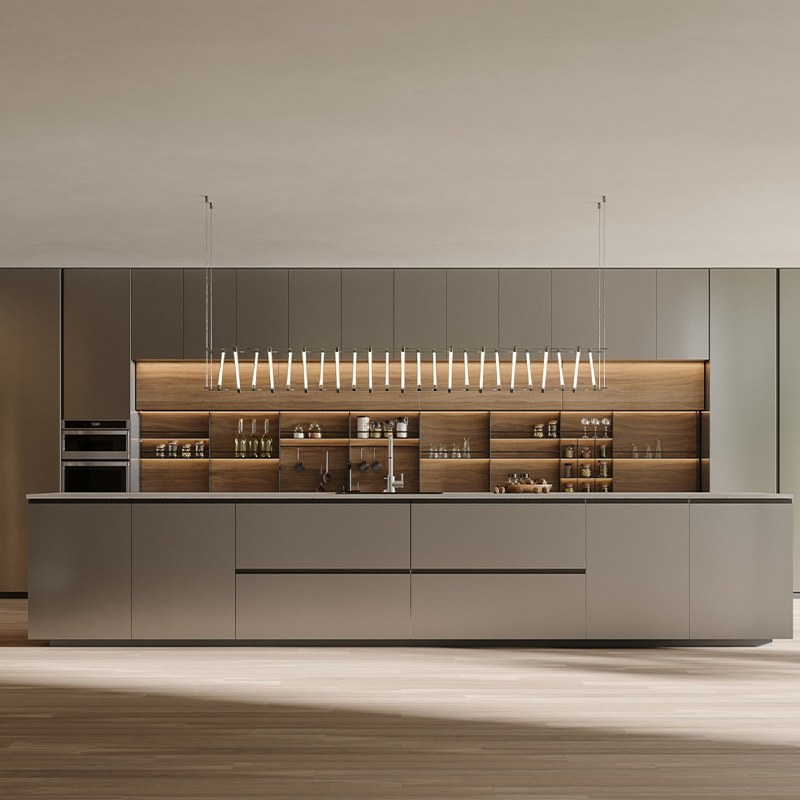
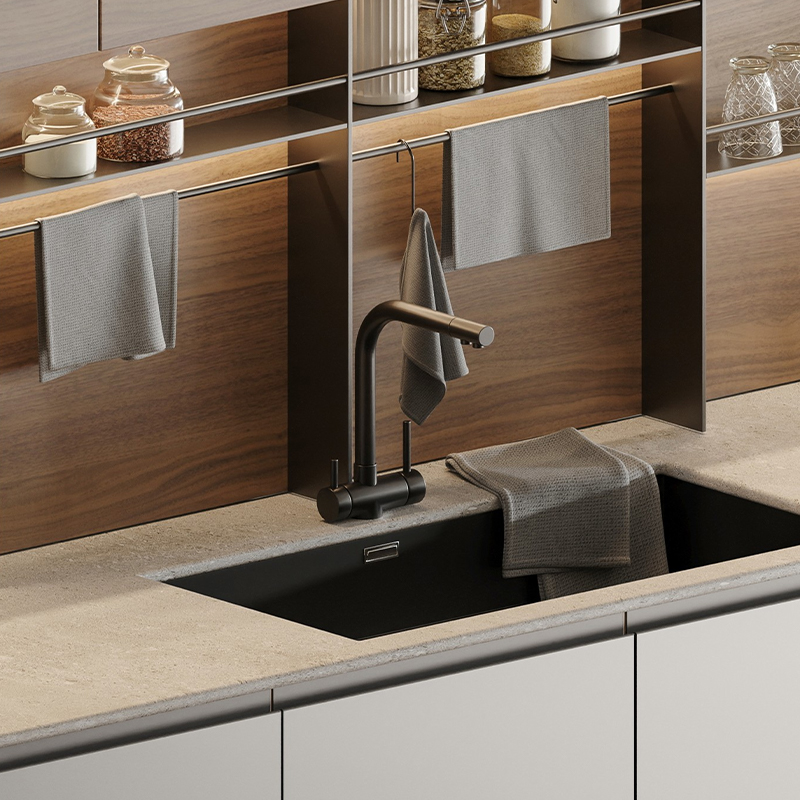
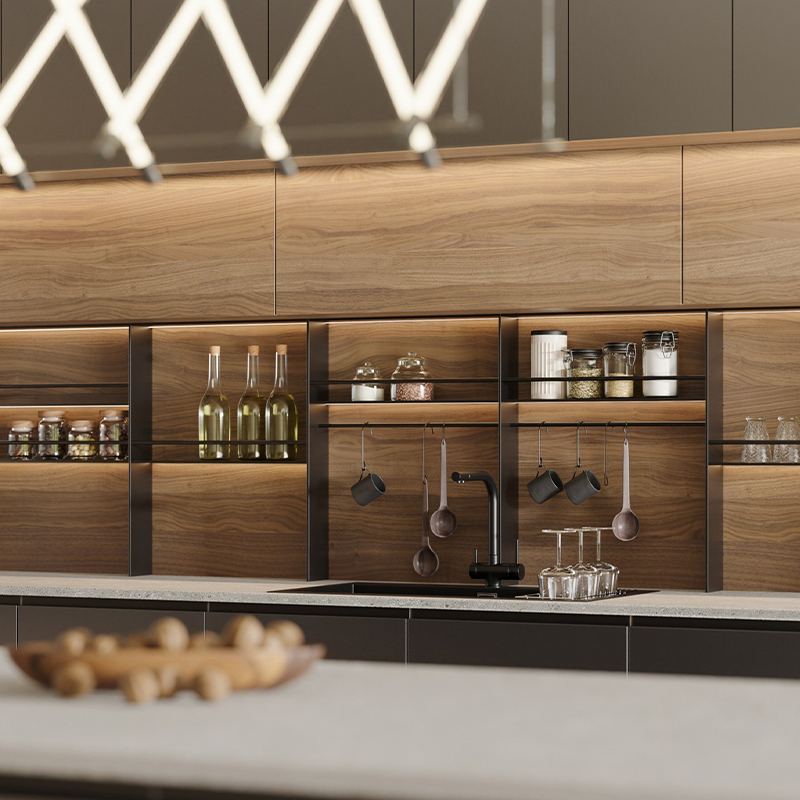
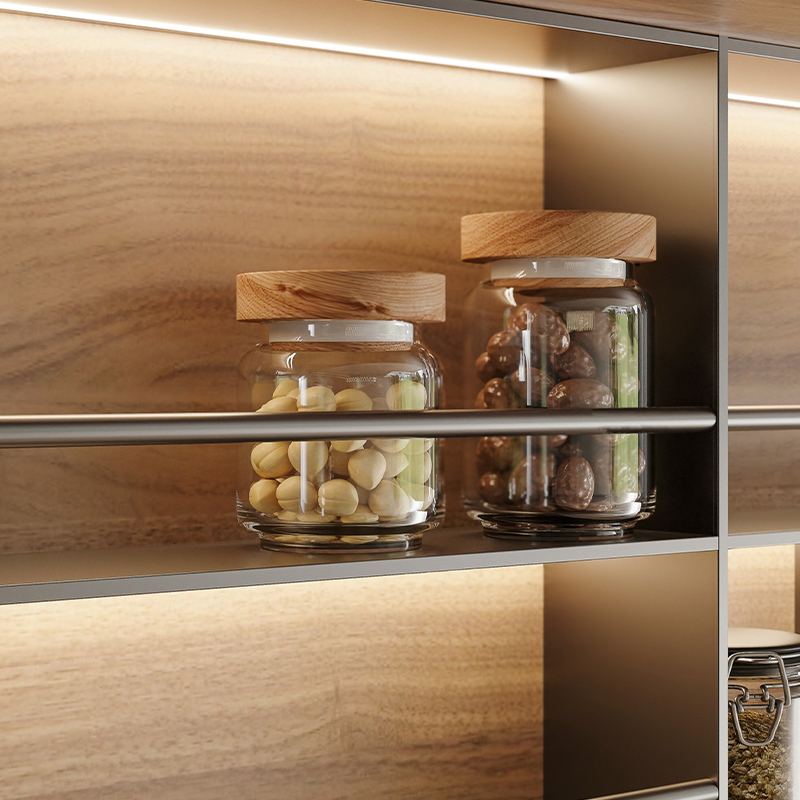
Island Cabinet
An Island Cabinet is a multifunctional furniture unit designed to combine storage, preparation, and display functions in one centralized structure. It is commonly placed in the center of kitchens, open-plan dining areas, and commercial hospitality spaces. As a core element of modern interior design, the island cabinet enhances workflow efficiency while improving spatial aesthetics and functionality. It is widely used in both residential and commercial environments where open layouts and optimized storage systems are preferred.
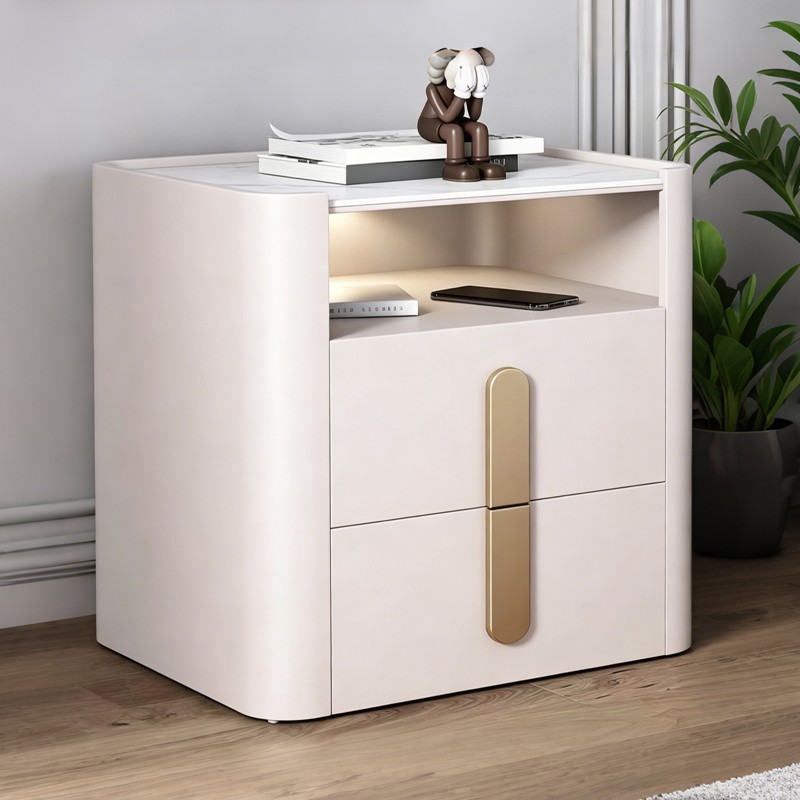
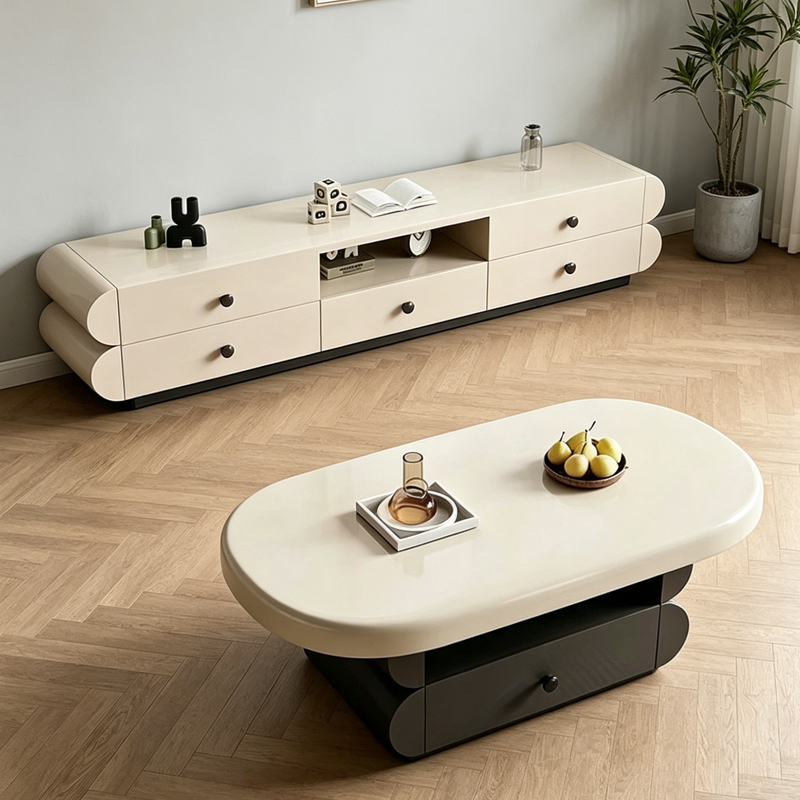
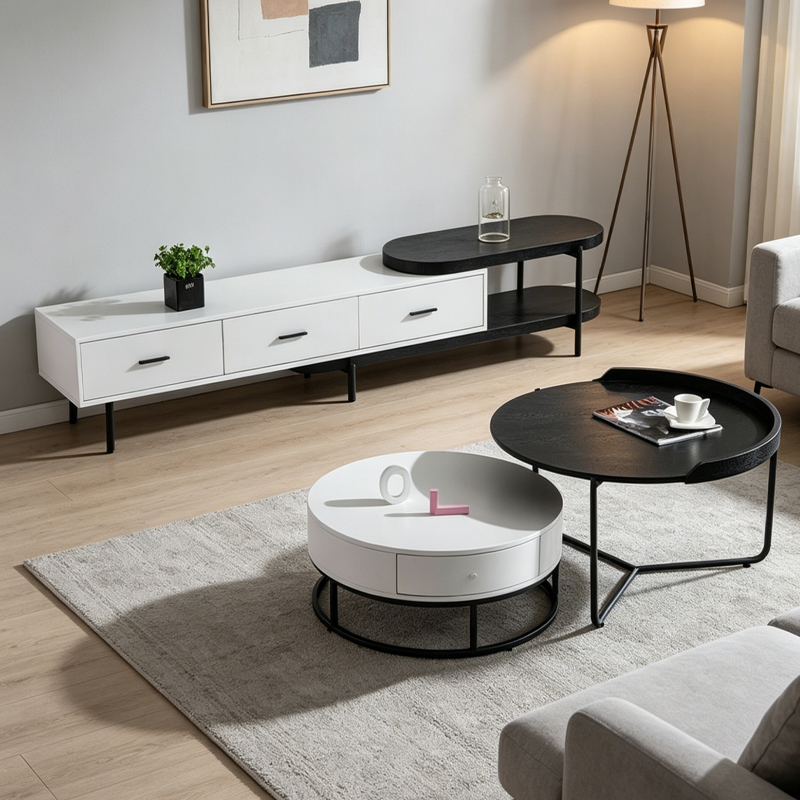
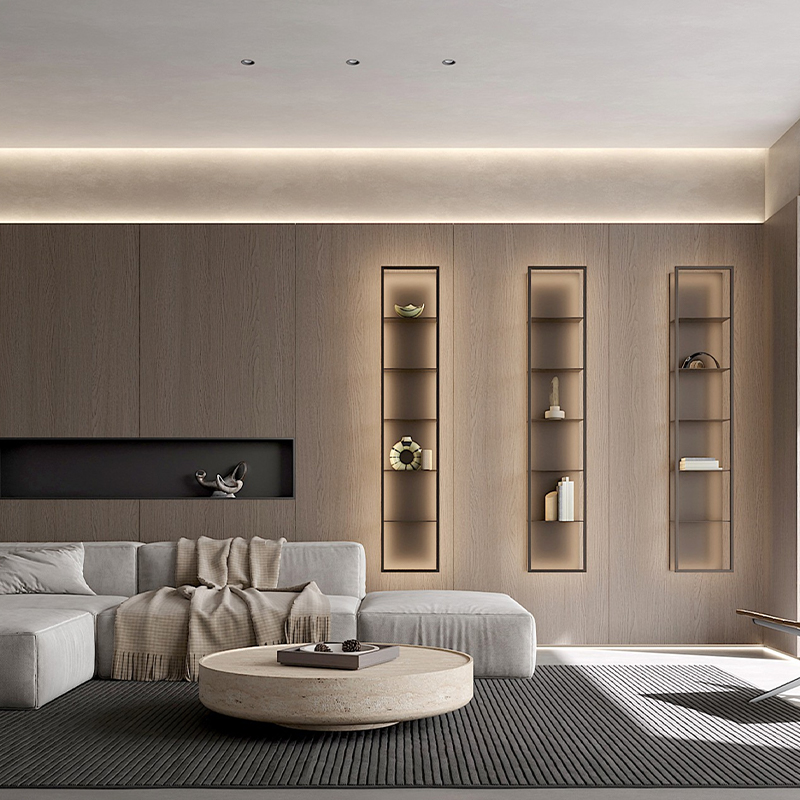
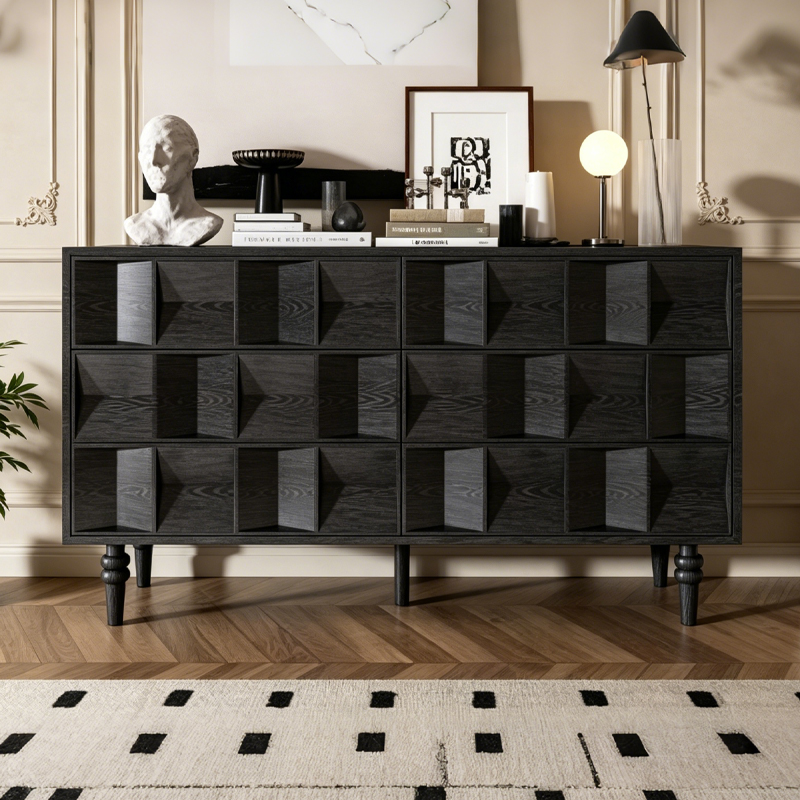
• Multi-functional integration: Combines storage, food preparation, cooking support, and display functions in one unit;
• Strong structural design: Built with solid wood, engineered panels, or metal frames for long-term durability;
• Flexible placement: Can be used as a standalone unit or integrated with full kitchen cabinetry systems;
• Large storage capacity: Includes drawers, open shelves, and enclosed cabinets for versatile organization;
• Durable countertop options: Quartz, marble, stainless steel, or waterproof composite materials available;
• Diverse style options: Modern minimalist, industrial, Nordic, luxury, and customized designs.
• Residential kitchens: Central workstation for cooking preparation and storage organization;
• Open-plan homes: Serves as a visual centerpiece and spatial divider;
• Food service environments: Suitable for cafés, restaurants, and bars as prep or serving stations;
• Hotels and serviced apartments: Enhances kitchen efficiency and storage capacity;
• Commercial display areas: Functions as a presentation or service counter.
The island cabinet is not only a storage solution but also an essential part of modern spatial design.
• Space zoning function: Acts as a natural divider in open-plan layouts;
• Social interaction hub: Provides a shared area for cooking, dining preparation, and communication;
• Customization flexibility: Adjustable in size, material, color, and structure;
• Storage system expansion: Compatible with pull-out baskets, hidden bins, and smart kitchen accessories;
• Workflow optimization: Reduces movement distance and improves kitchen efficiency.
• Size planning: Choose dimensions based on kitchen layout and circulation space;
• Material selection: Prioritize water-resistant, heat-resistant, and easy-to-clean surfaces;
• Function prioritization: Balance storage needs with workspace requirements;
• Design consistency: Match with overall cabinetry style for a cohesive interior look.
-
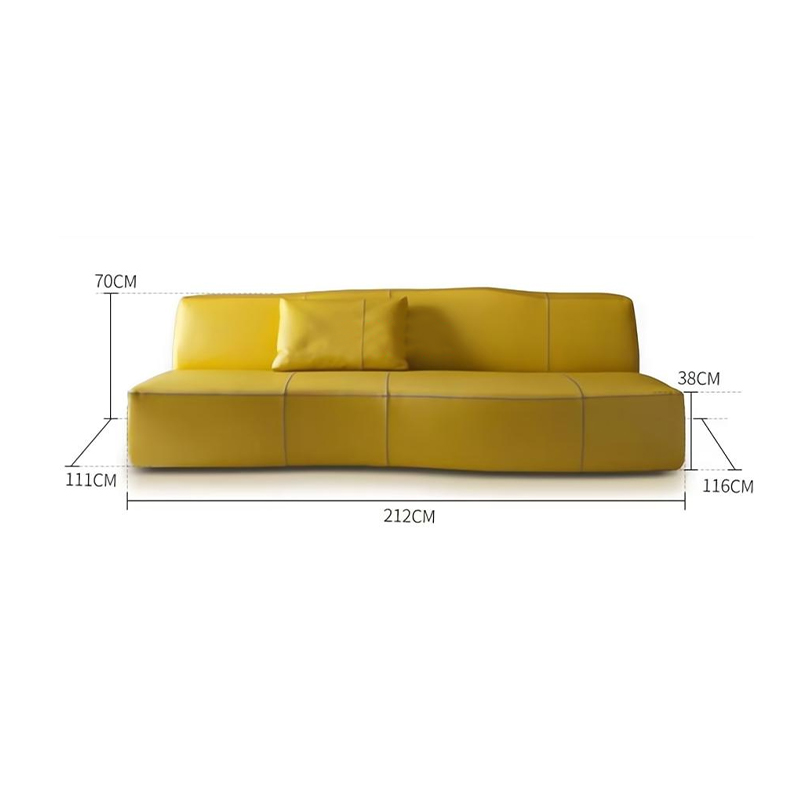 VIEW MOREcustom curved shaped sofa for reception areas: Practical Applications, Selection
 -
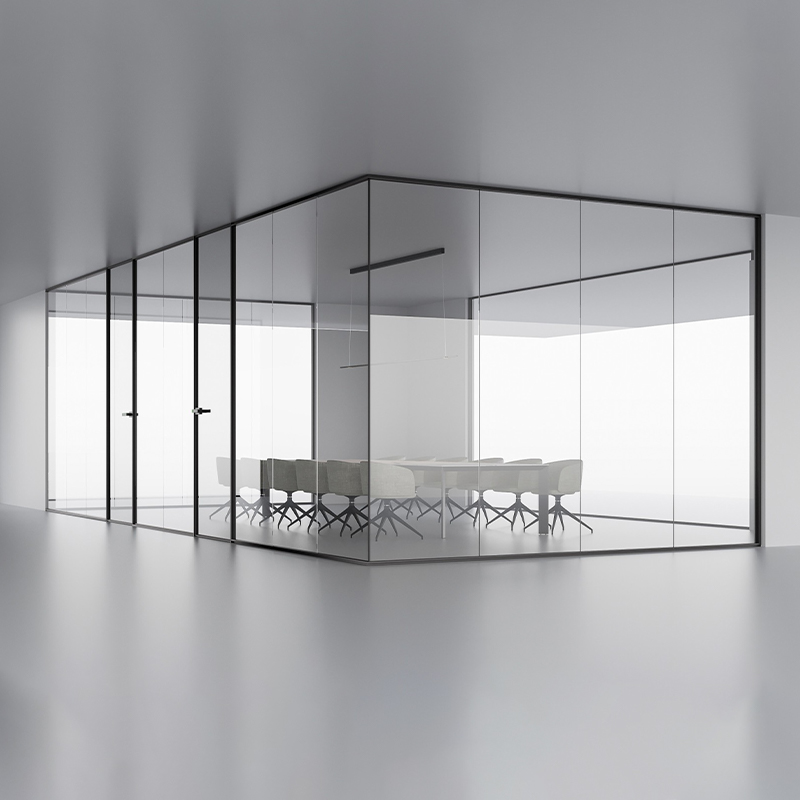
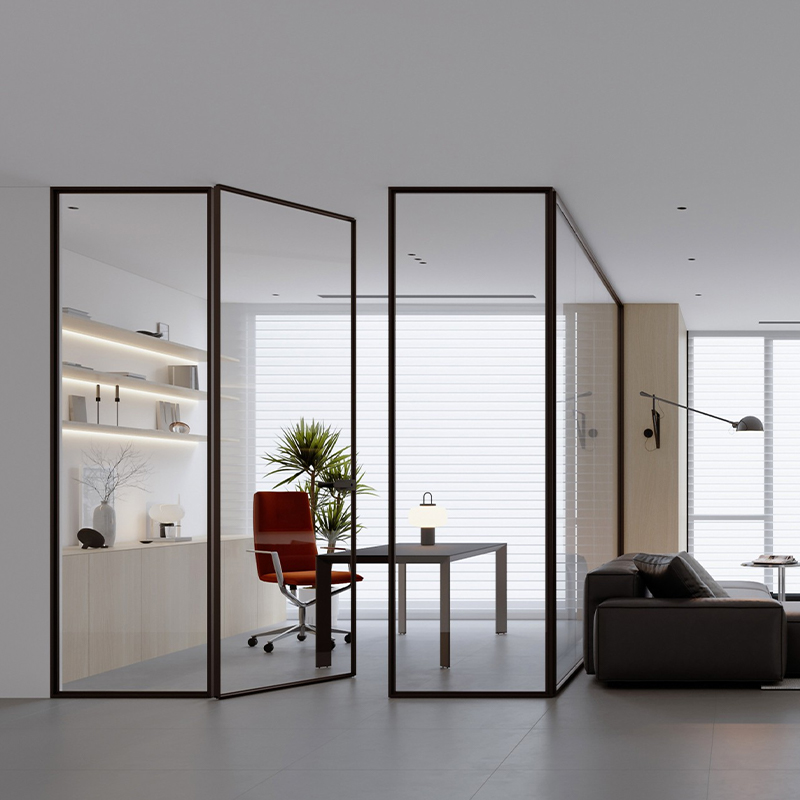 VIEW MOREIntegrated Wallboards
 -
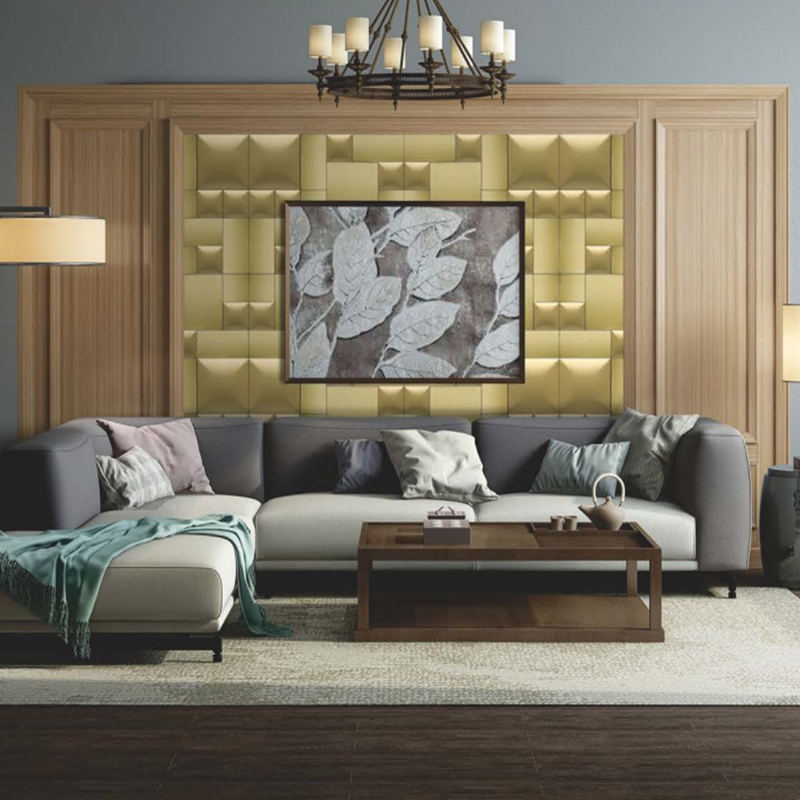
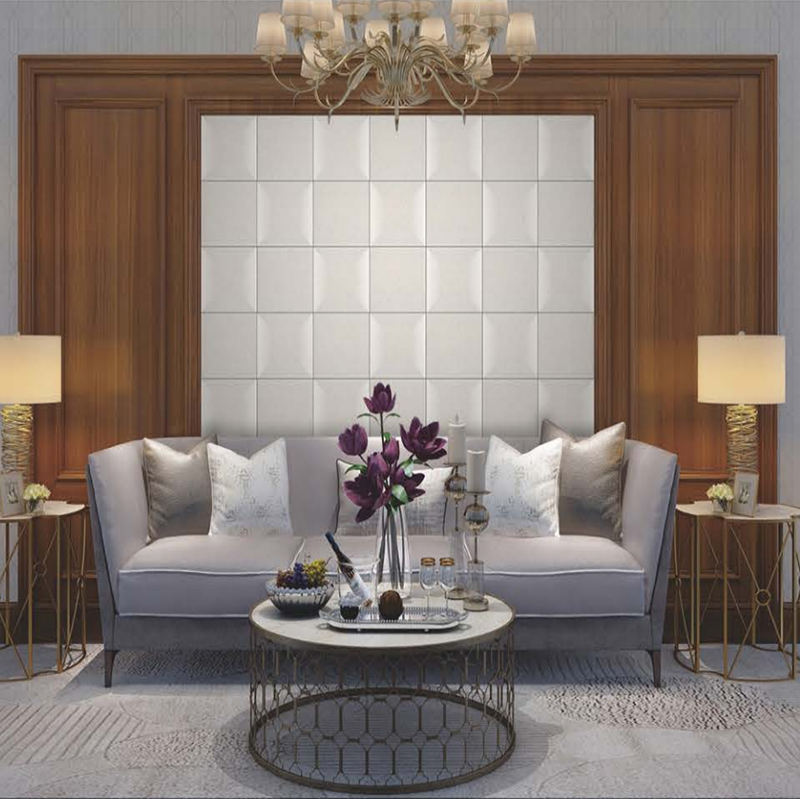 VIEW MOREWood Veneer Panels
 -
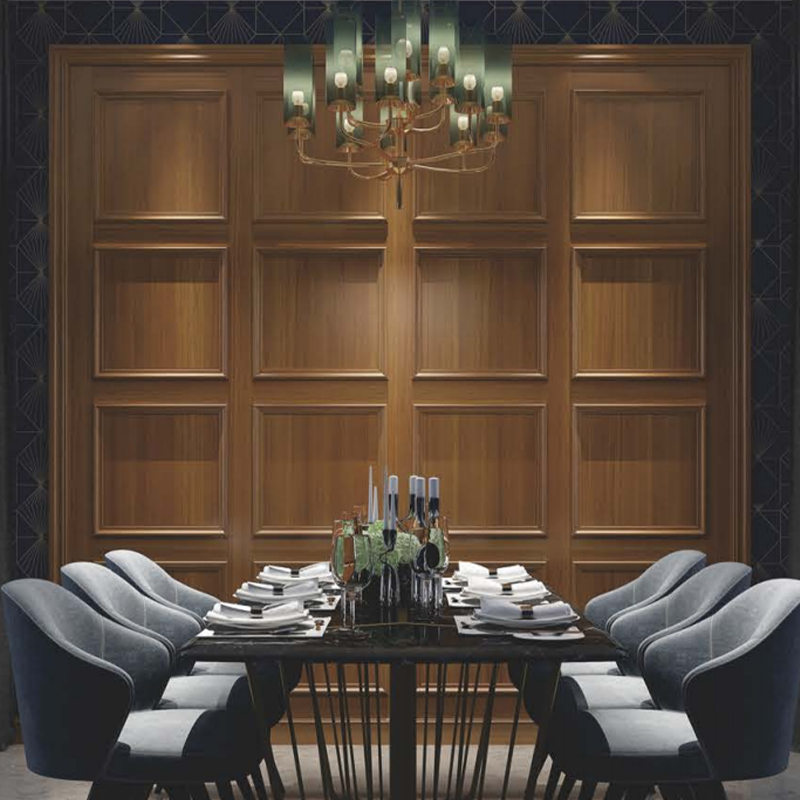
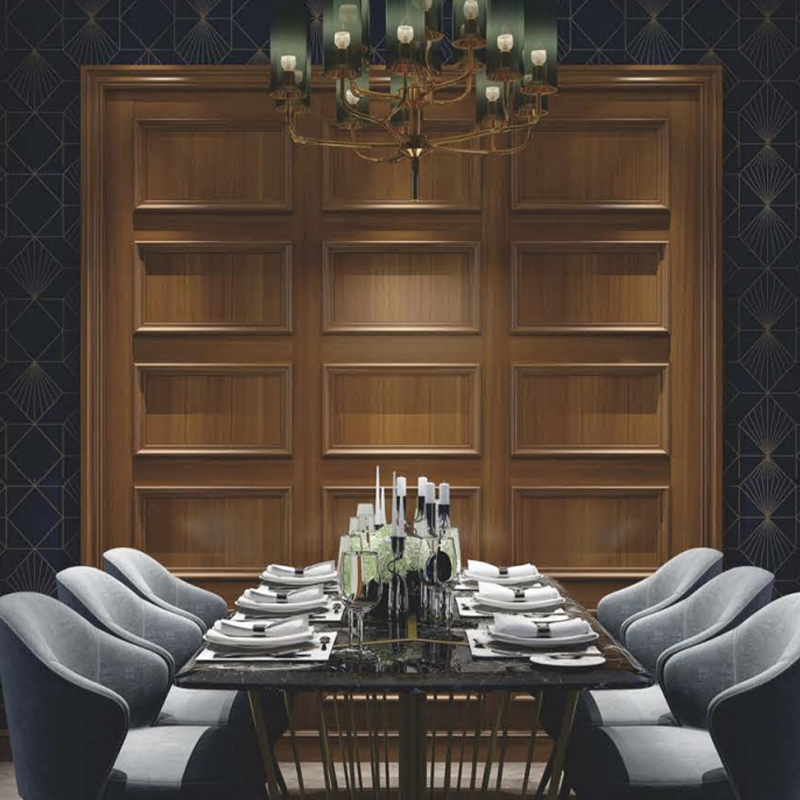 VIEW MORESolid Wood Panels
 -
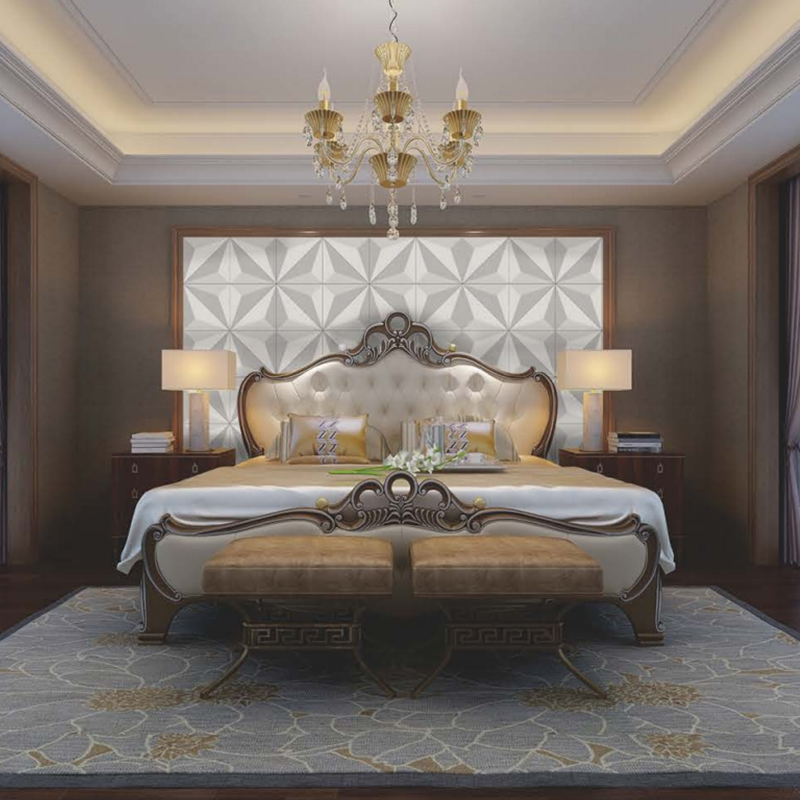
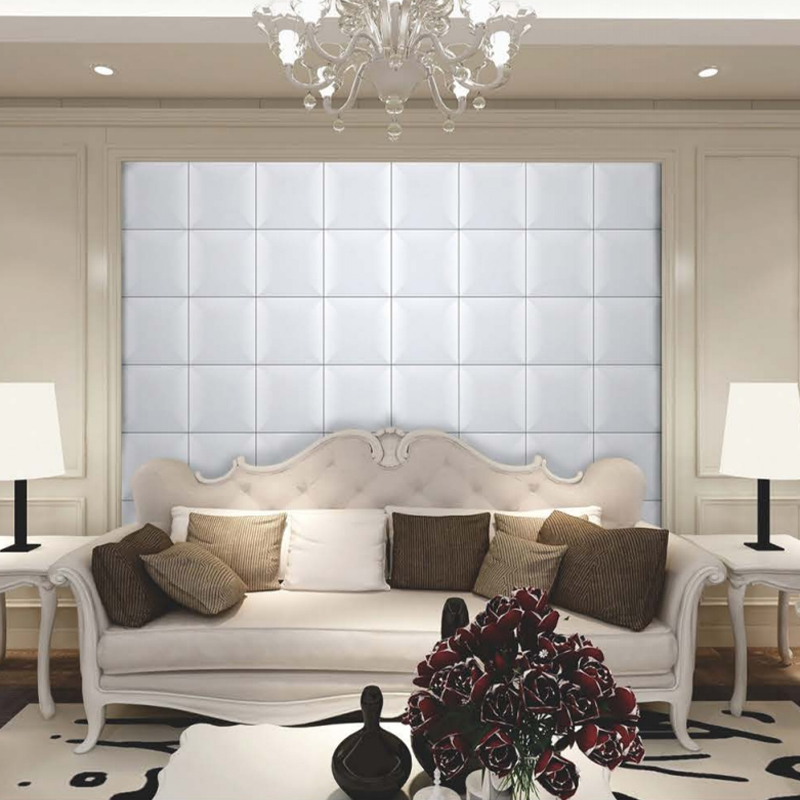 VIEW MOREPVC Wall Panels-PVC
 -
 VIEW MORECabinet Door
 -
 VIEW MOREFire-rated Door
 -
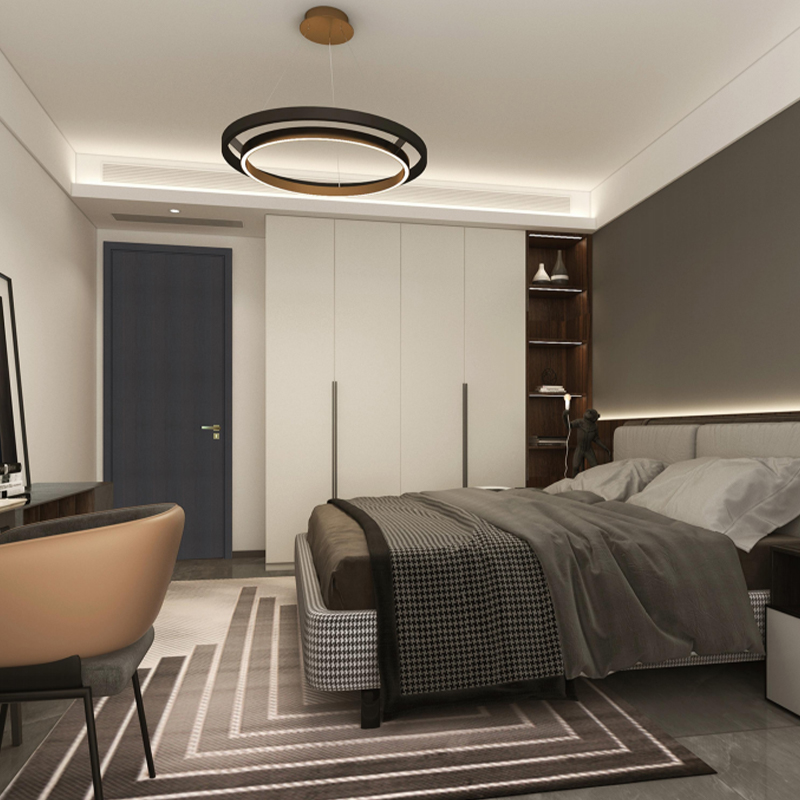
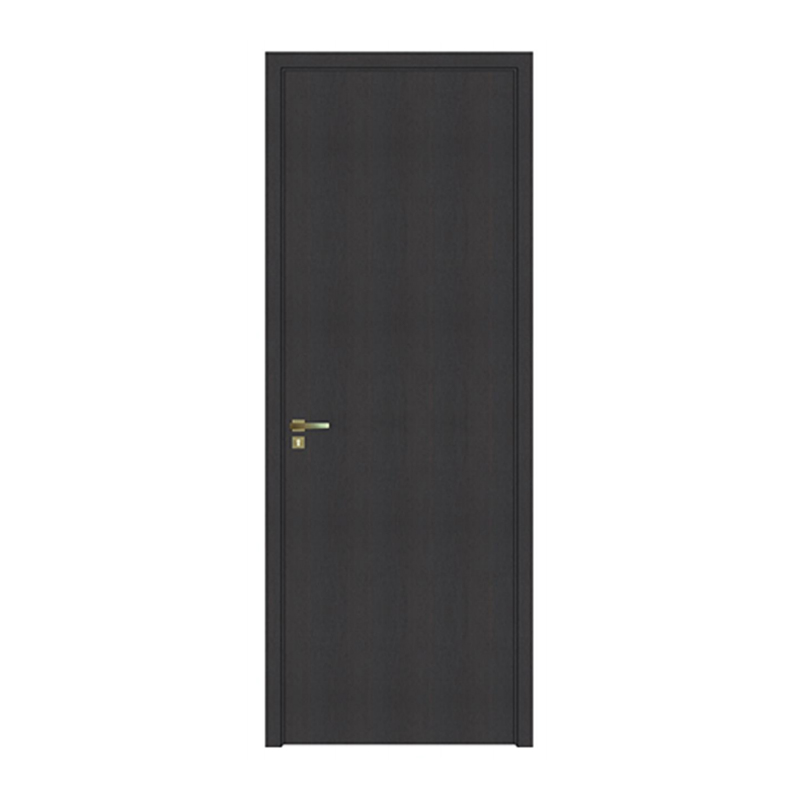 VIEW MOREWood Veneer Door
 -
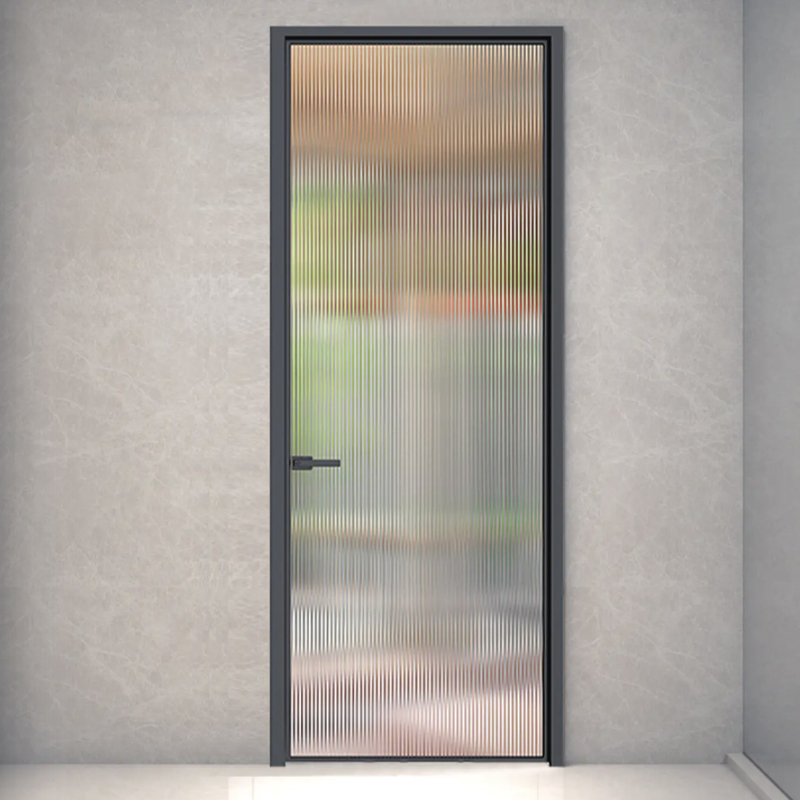
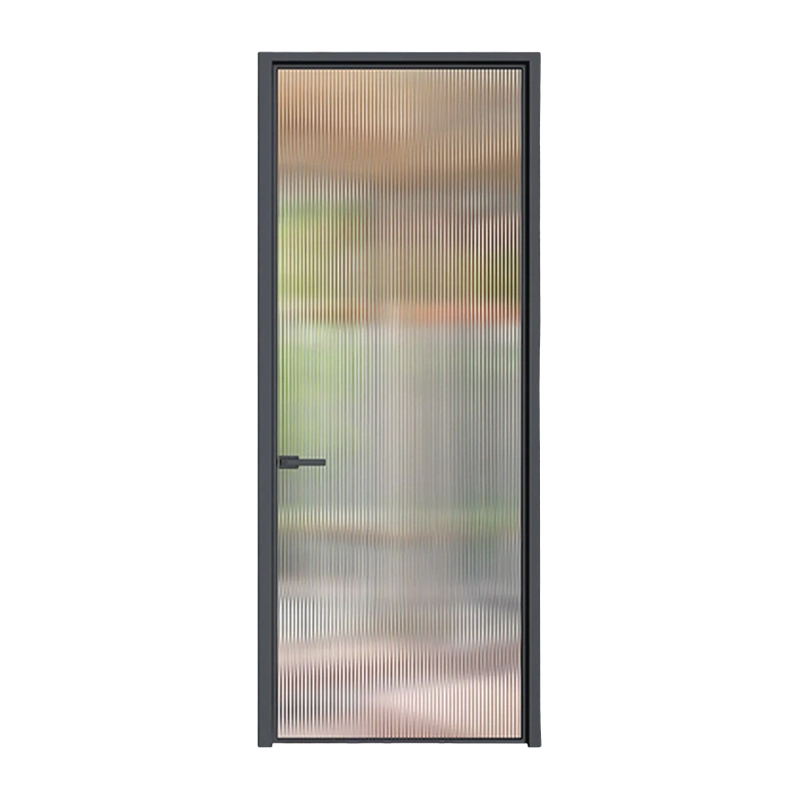 VIEW MOREAluminum Glass Door
 -
 VIEW MOREBarn Door
 -
 VIEW MOREWPC Door
 -
 VIEW MOREMDF Combined Door





-
 Email: rainbow@toaofer.com
 -
 Mobile: +86-15300501061
 -
 Penglai Road 10#, Huangshan Economical Development Zone, Anhui Province, China.
Copyright © Aofer Hospitality Ltd.
All Rights Reserved.
 Wholesale Island Cabinet Suppliers