
 Language
 English
 Español
 عربى
عربى Tiếng Việt
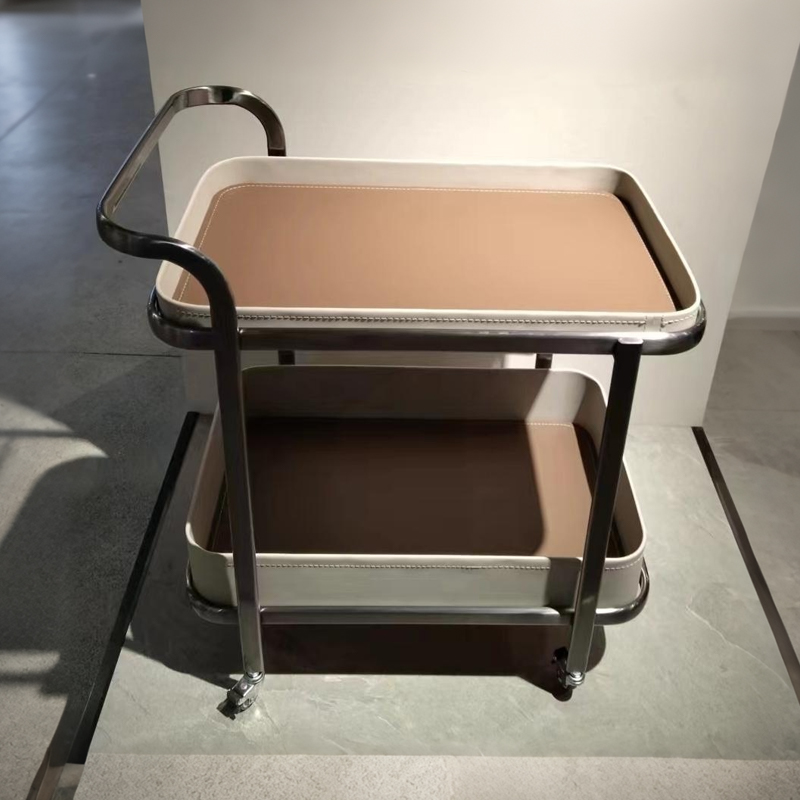
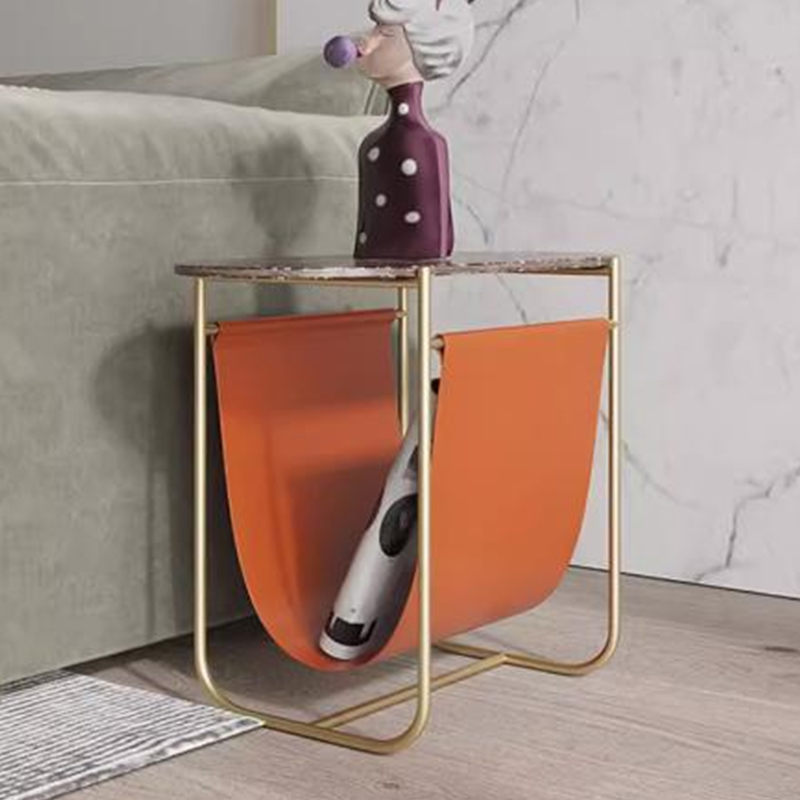
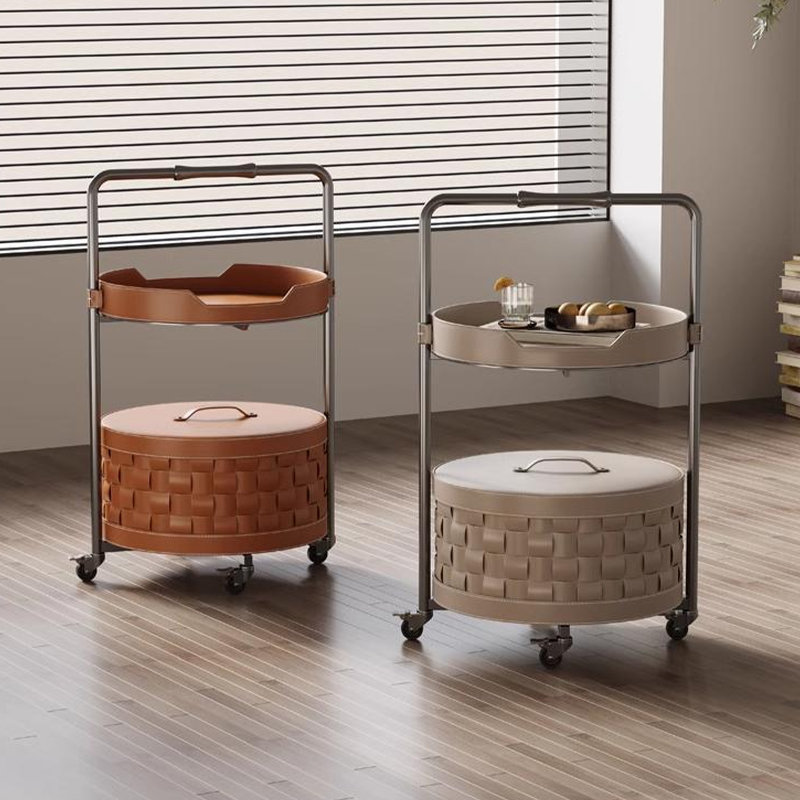
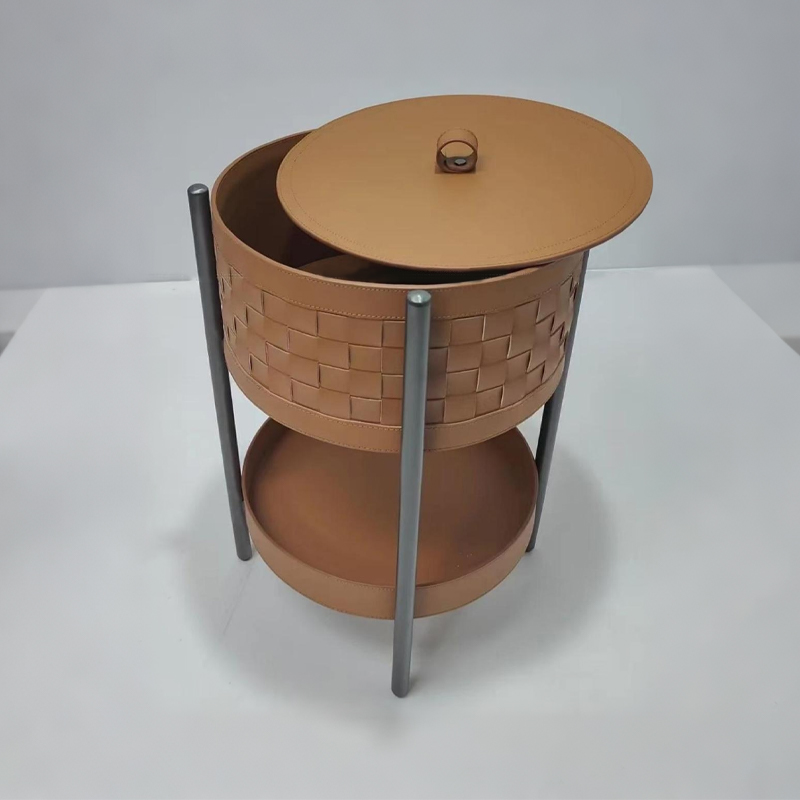
Functional Accent Tables
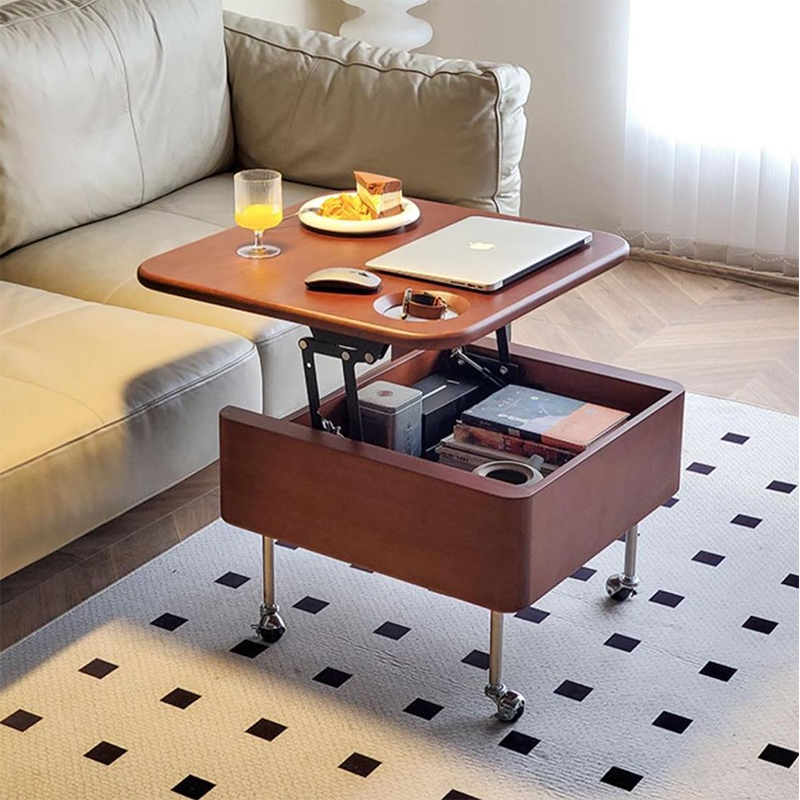
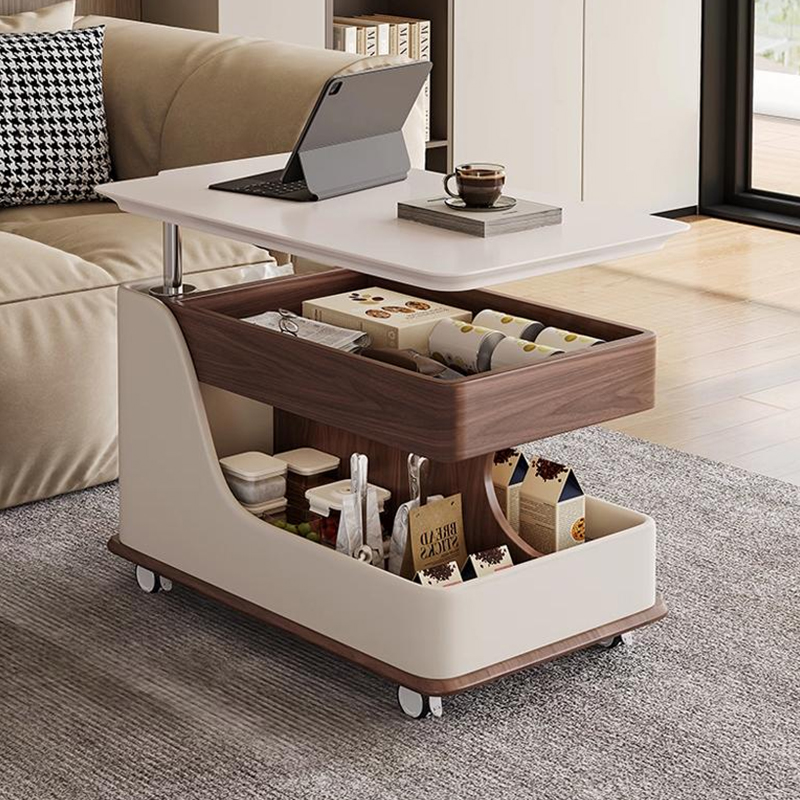
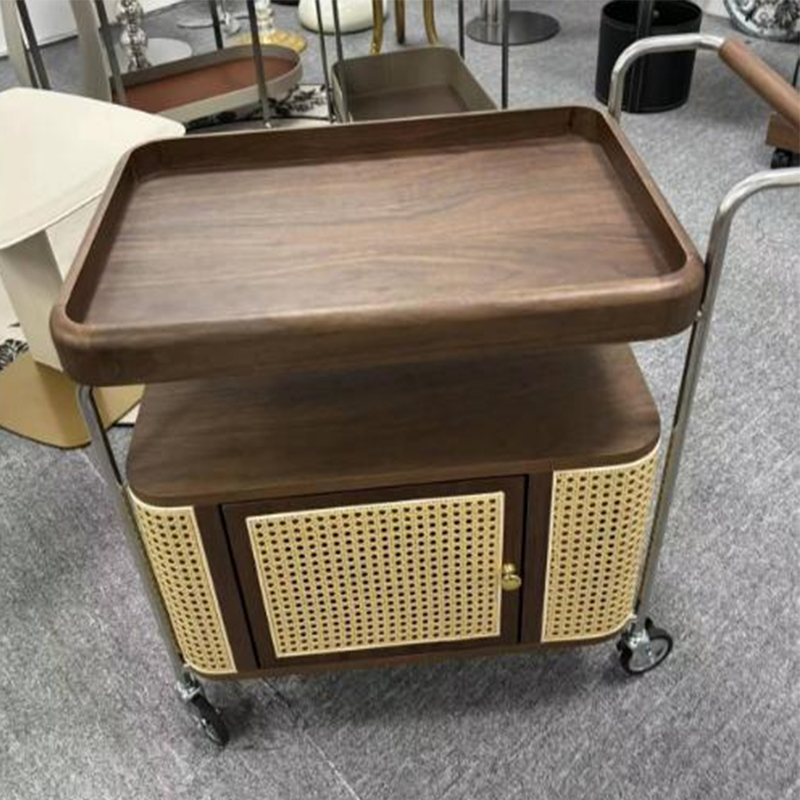
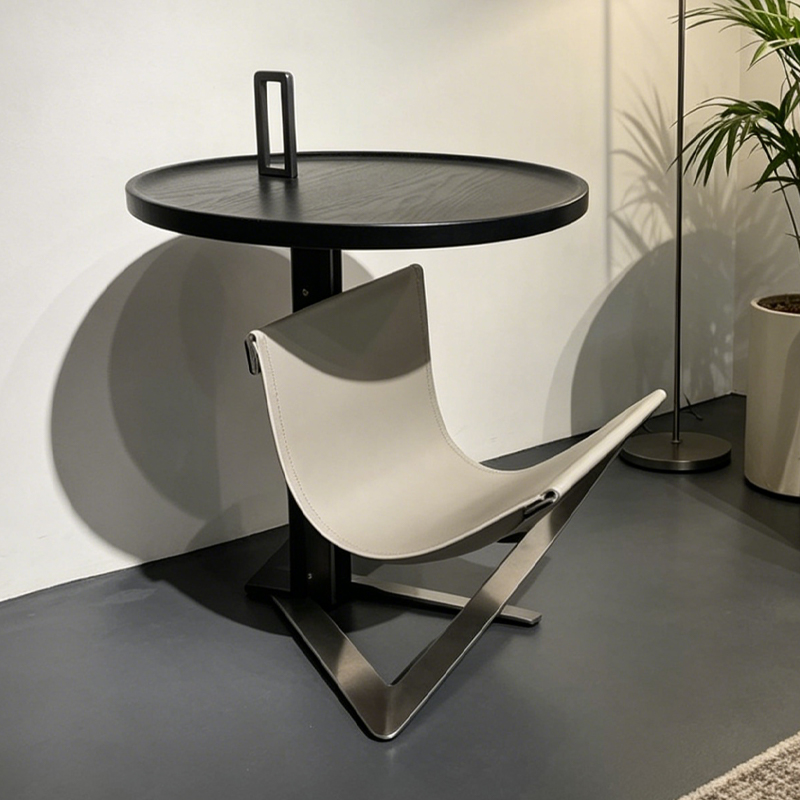
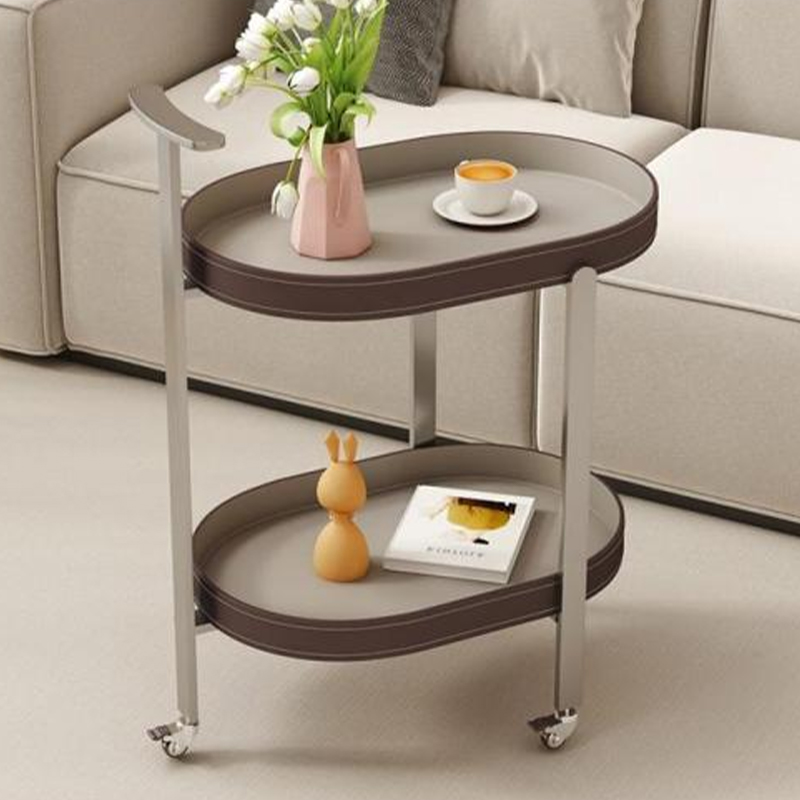
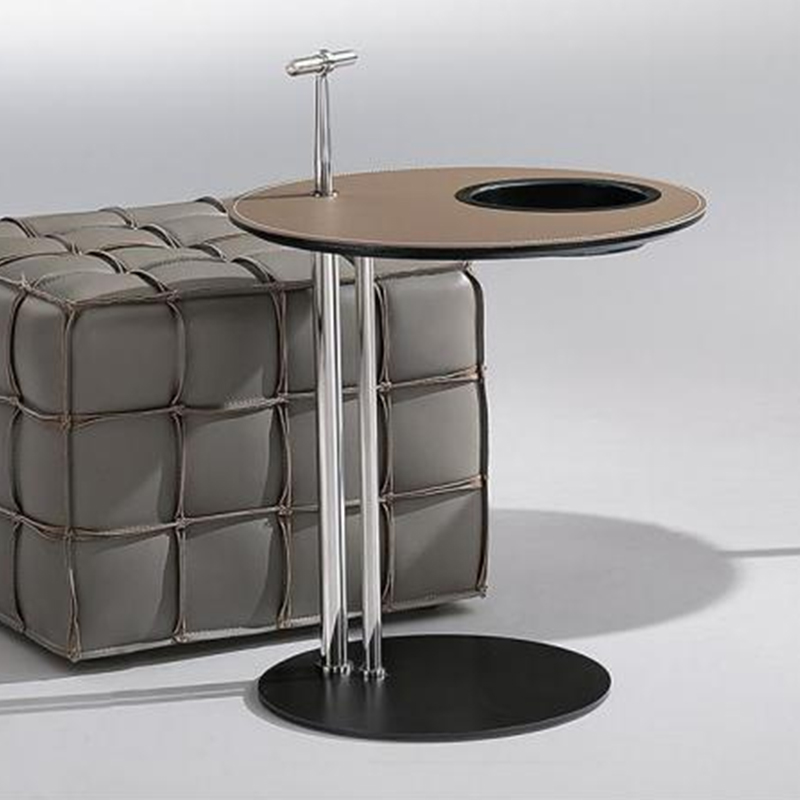
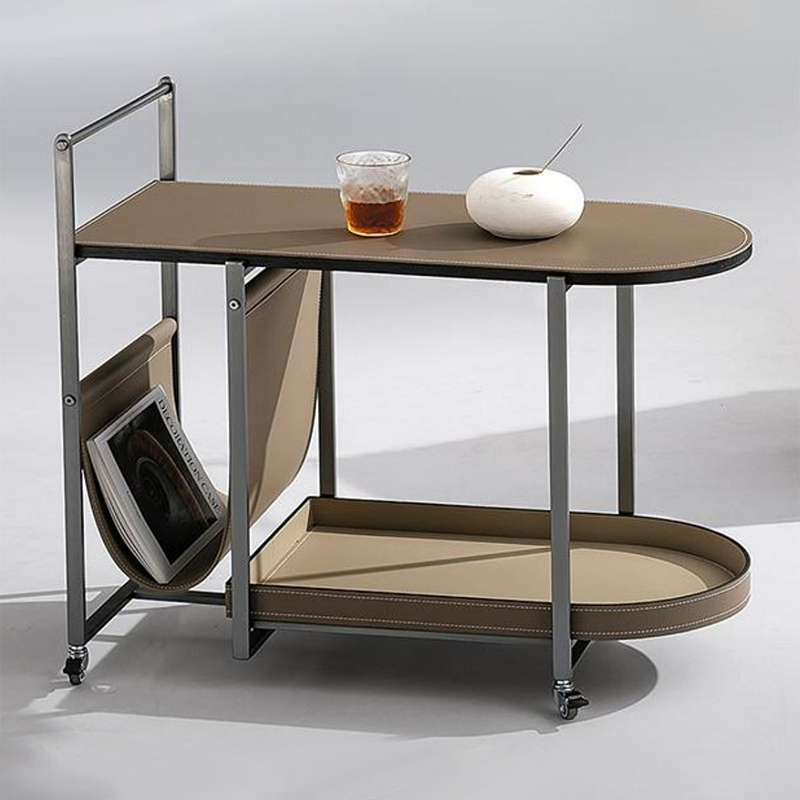
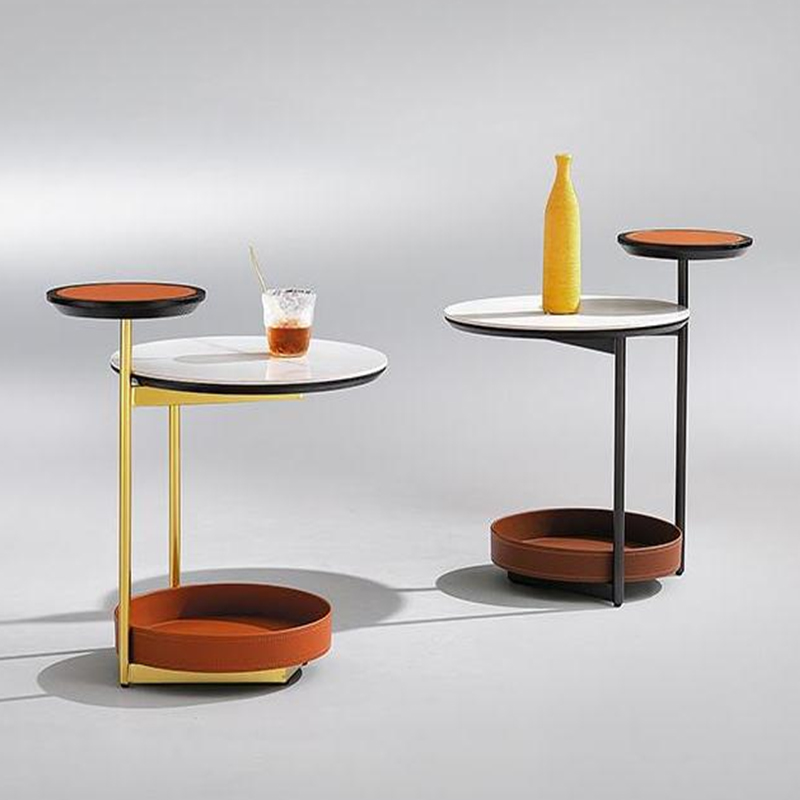
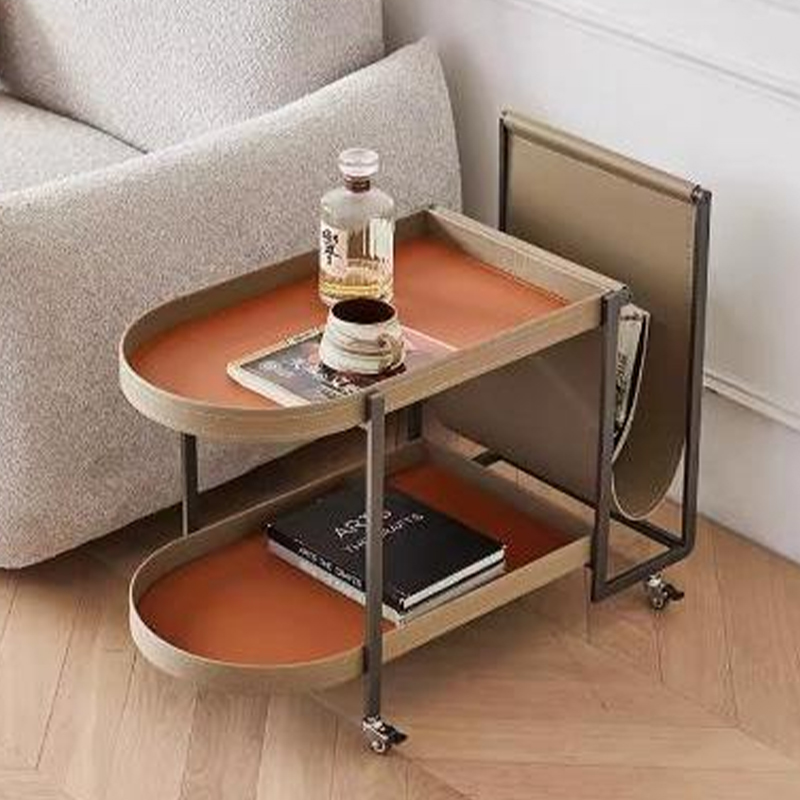
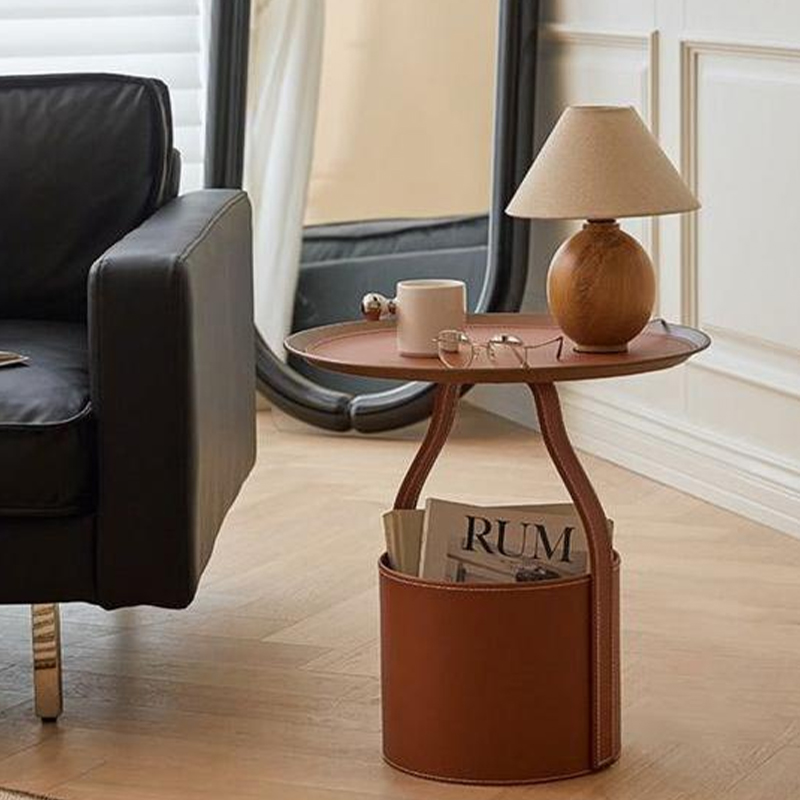
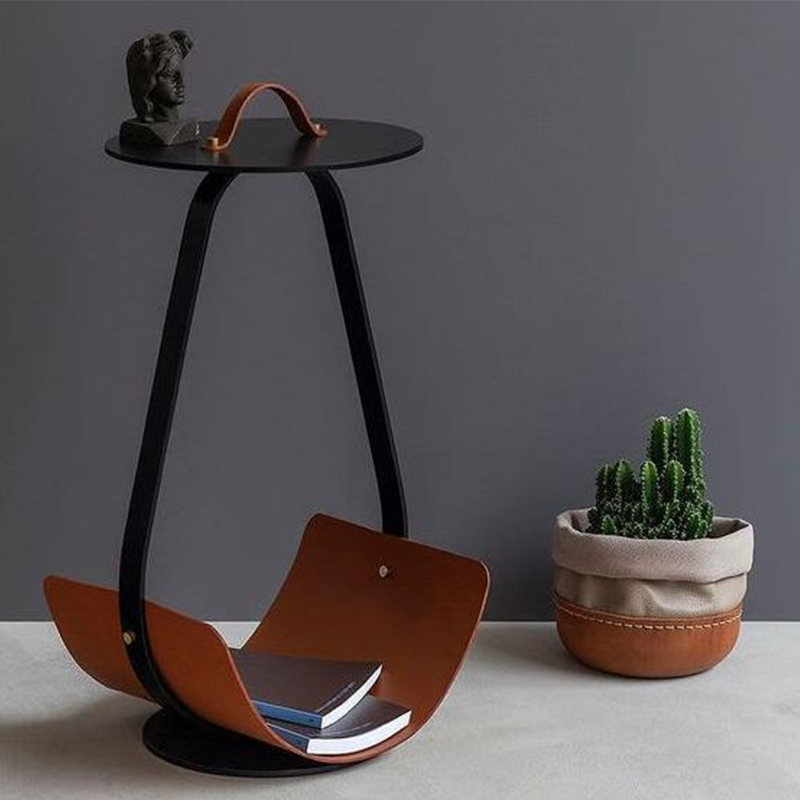
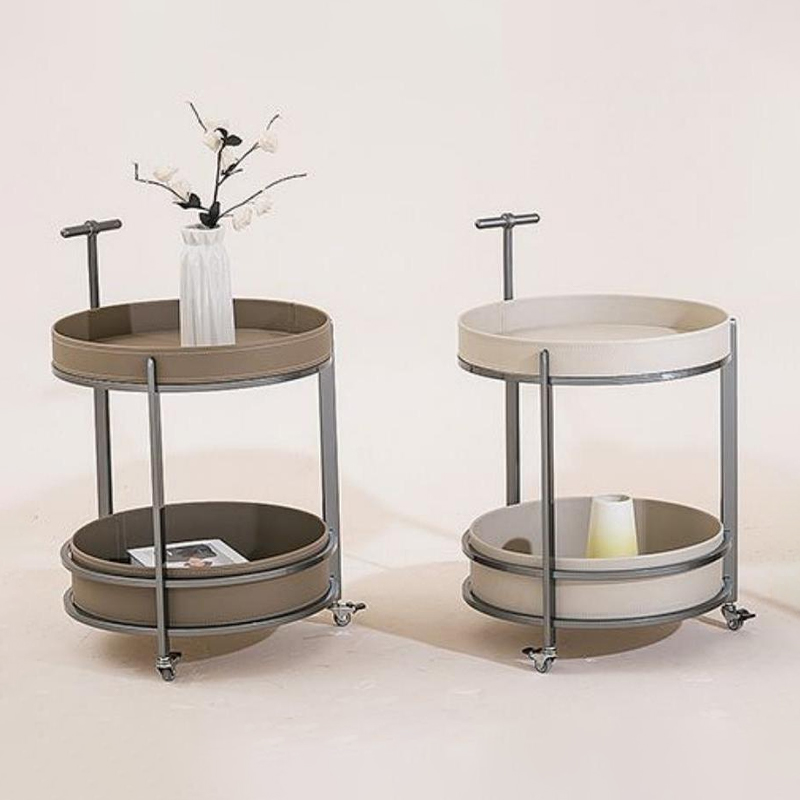
Functional accent tables are versatile small furniture pieces that combine decorative appeal with practical functionality. Commonly used in living rooms, bedrooms, entryways, and offices, they provide surface space while often integrating storage, mobility, or multi-use features. Compared to traditional side tables, they emphasize multifunctional design, making them ideal for modern compact living and flexible interior layouts.
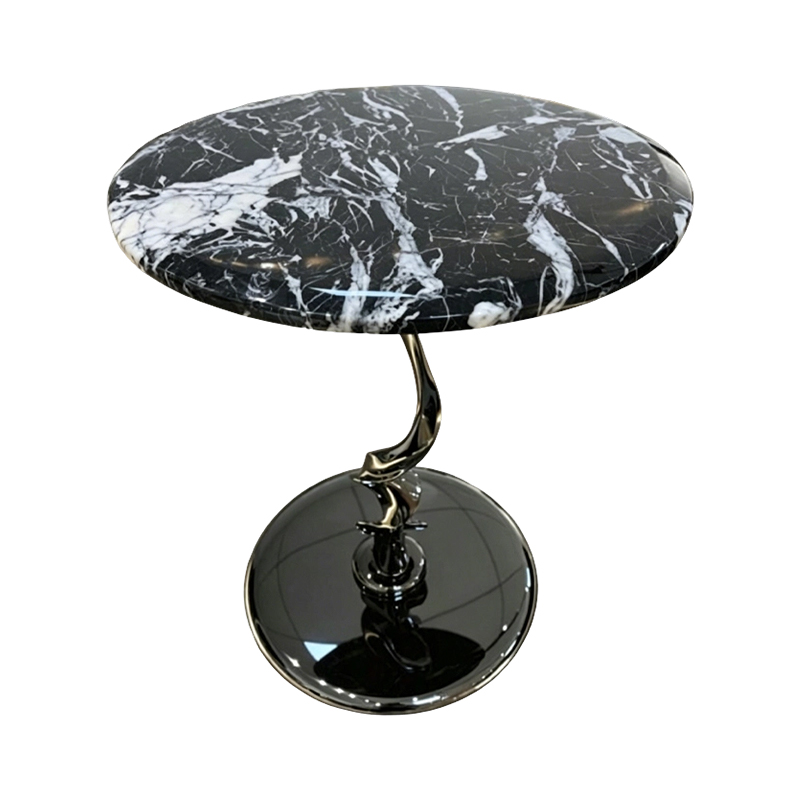
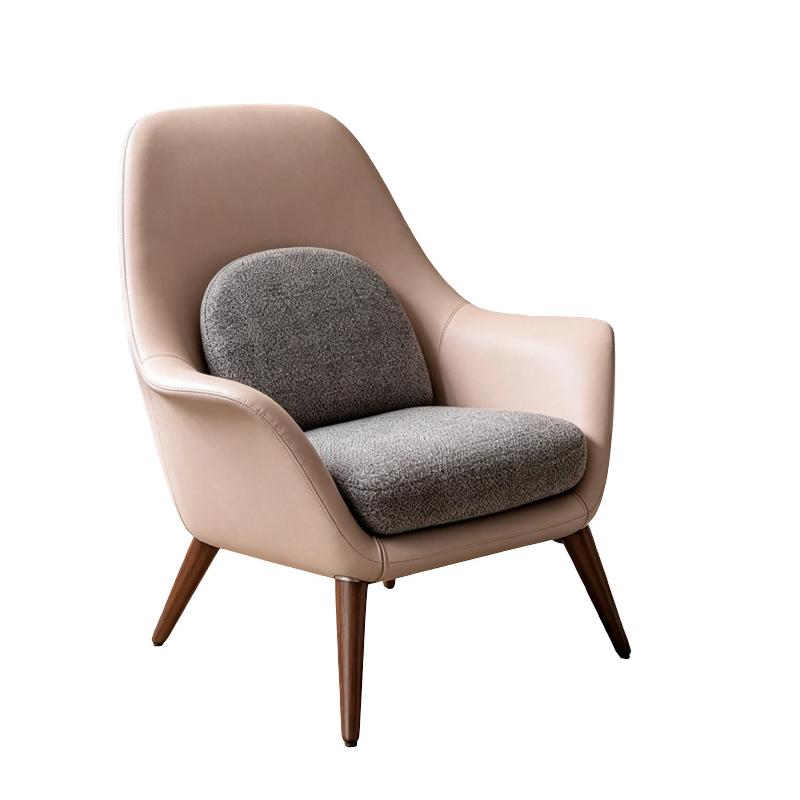
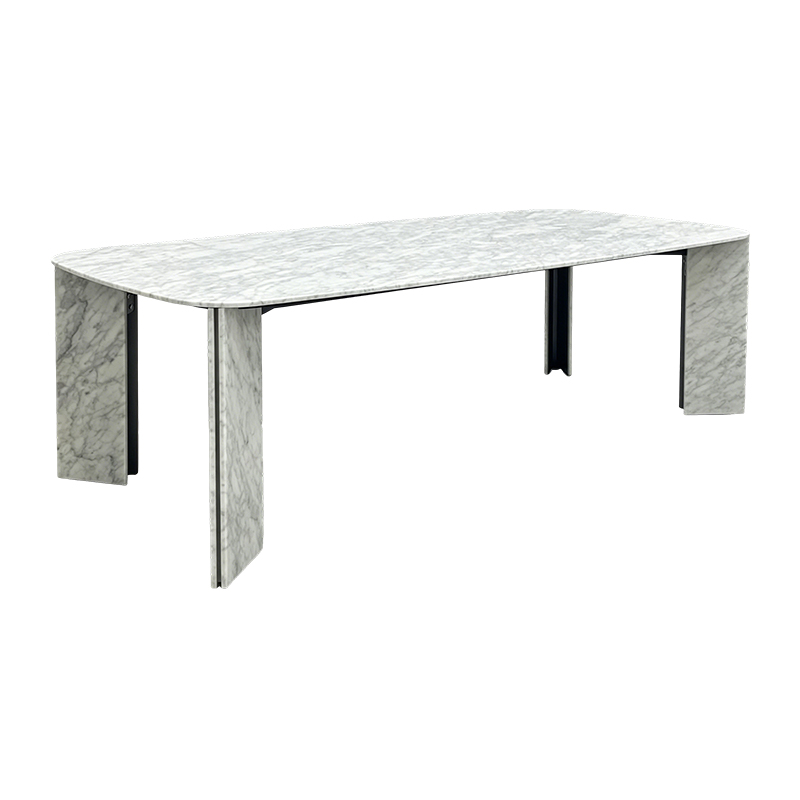
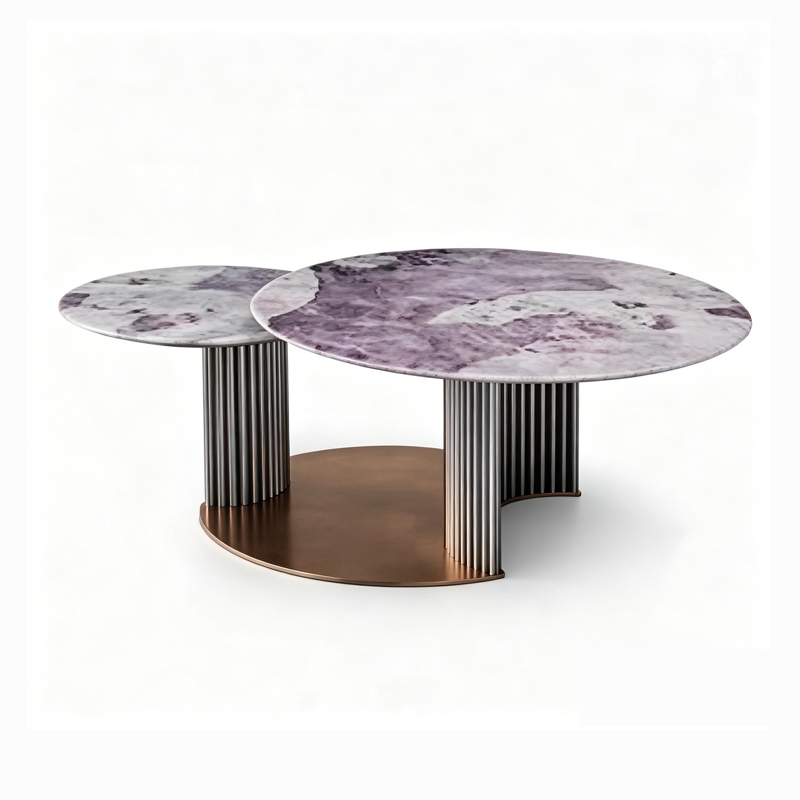
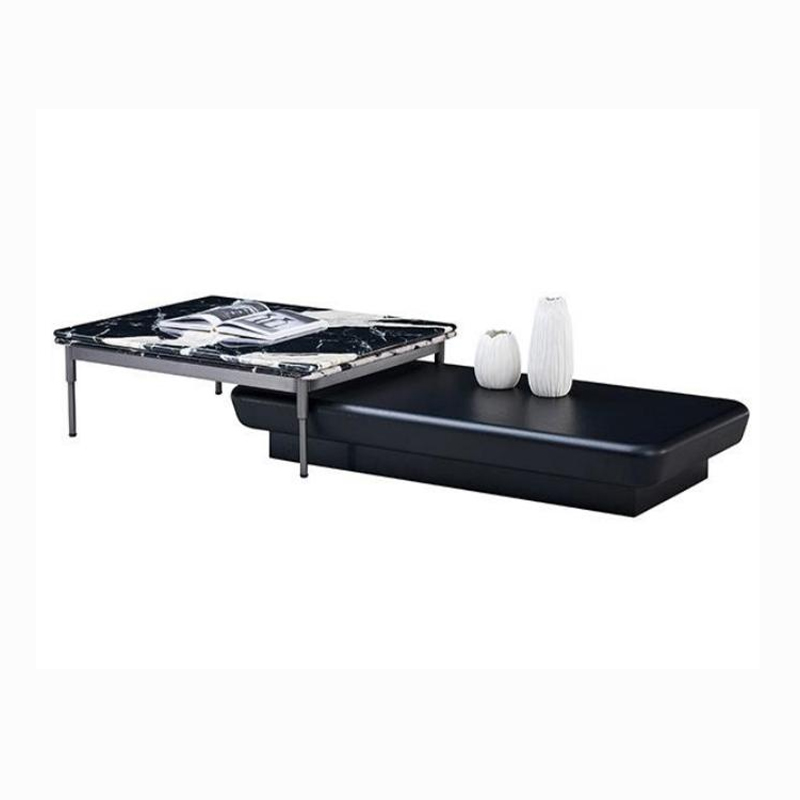
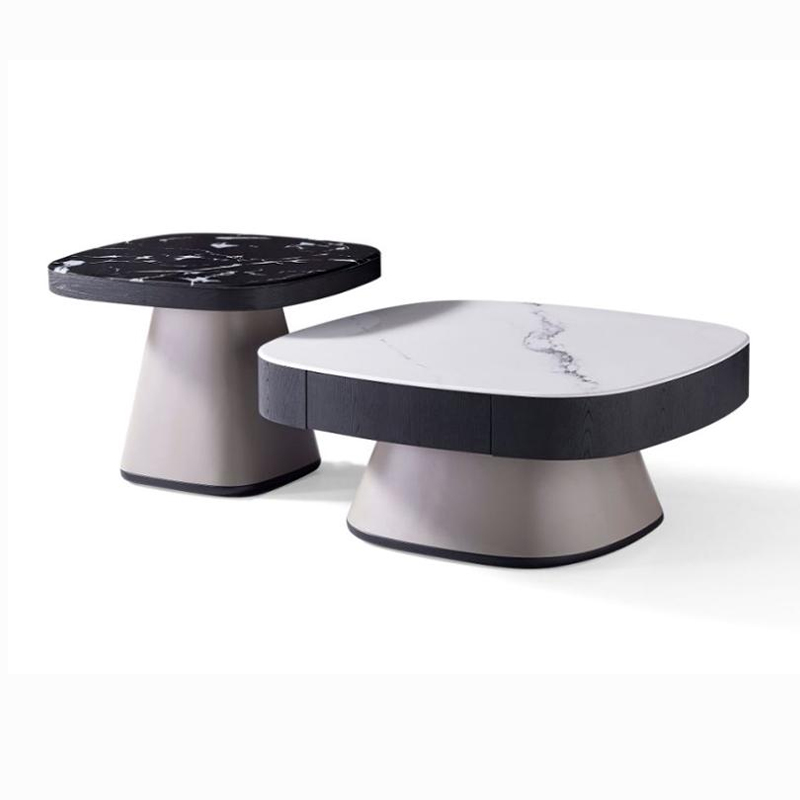
• Multi-functional structure: integrates drawers, open shelves, hidden storage, or extendable surfaces;
• Space optimization: ideal for small apartments and flexible zoning layouts;
• Easy mobility: some models feature wheels or lightweight construction for repositioning;
• Material variety: available in wood, metal, glass, or composite materials;
• Strong style compatibility: fits modern, Nordic, industrial, and luxury interiors;
• Balance of aesthetics and utility: serves both decorative and functional purposes.
·Living room: used beside sofas for drinks, books, or décor items;
·Bedroom: serves as an alternative nightstand for personal essentials;
·Entryway: convenient storage for keys, bags, and daily carry items;
·Office space: functions as an auxiliary workstation or printer stand;
·Commercial settings: suitable for hotels, showrooms, and model apartments;
·Multi-purpose areas: ideal for open-plan layouts requiring flexible furniture solutions.
Functional accent tables extend beyond traditional side table design by emphasizing adaptability and enhanced usability. Height-adjustable tops support multi-tasking scenarios, modular structures allow flexible combinations, and some designs integrate charging ports or concealed cable management. Visually, they prioritize lightweight aesthetics and layered forms, allowing the furniture to serve as both a functional item and a decorative element.
When selecting a functional accent table, consider room size, usage frequency, and overall interior style. Compact spaces benefit from lightweight designs with storage functions; modern interiors pair well with metal or minimalist wooden frames; for stronger storage needs, multi-drawer or tiered designs are ideal. Coordinating colors with sofas, rugs, or lighting helps create a cohesive interior aesthetic.
-
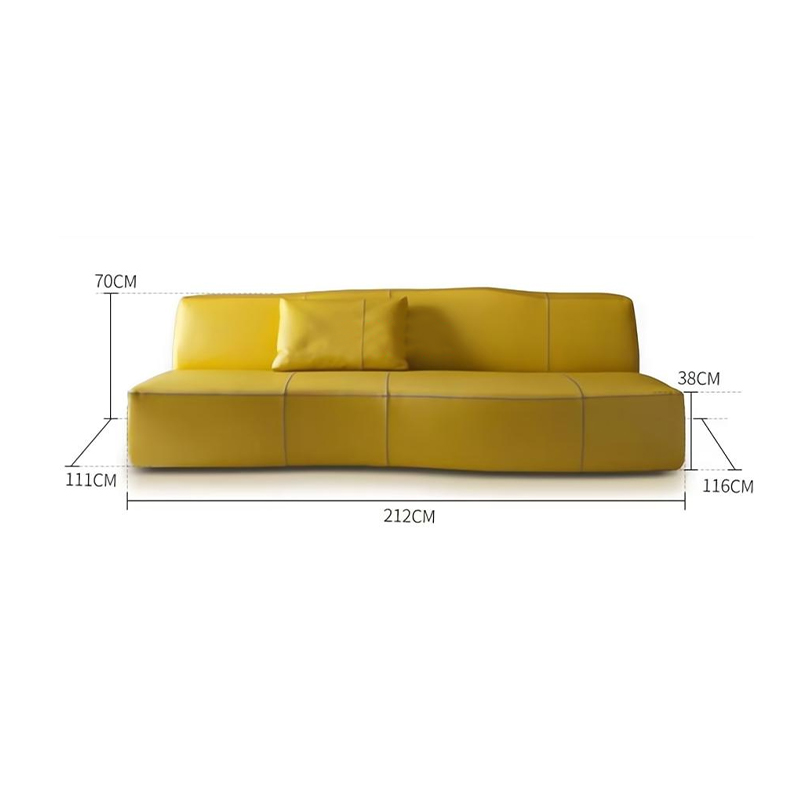 VIEW MOREcustom curved shaped sofa for reception areas: Practical Applications, Selection
 -
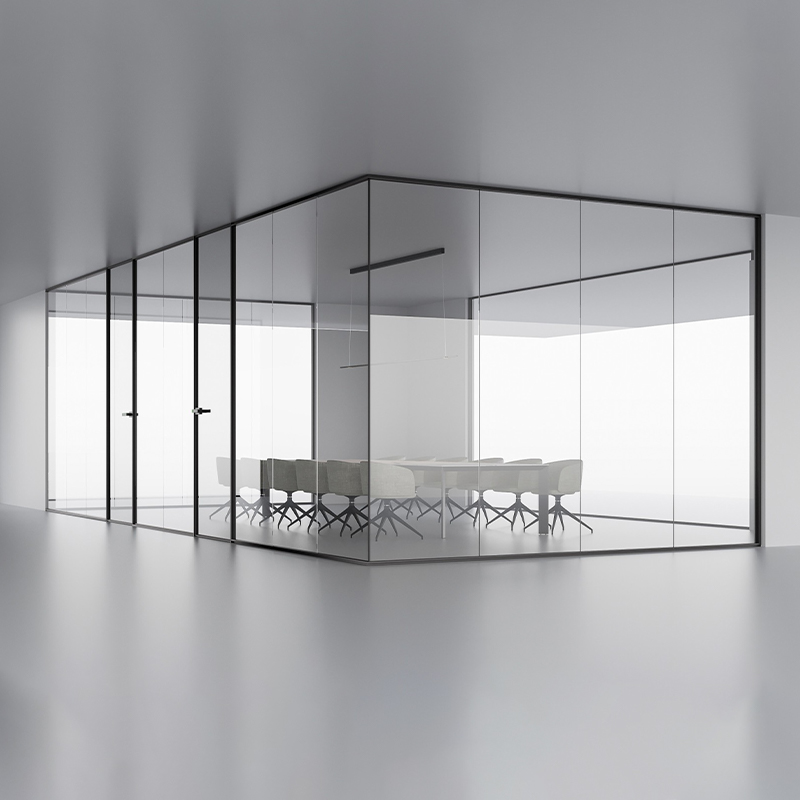
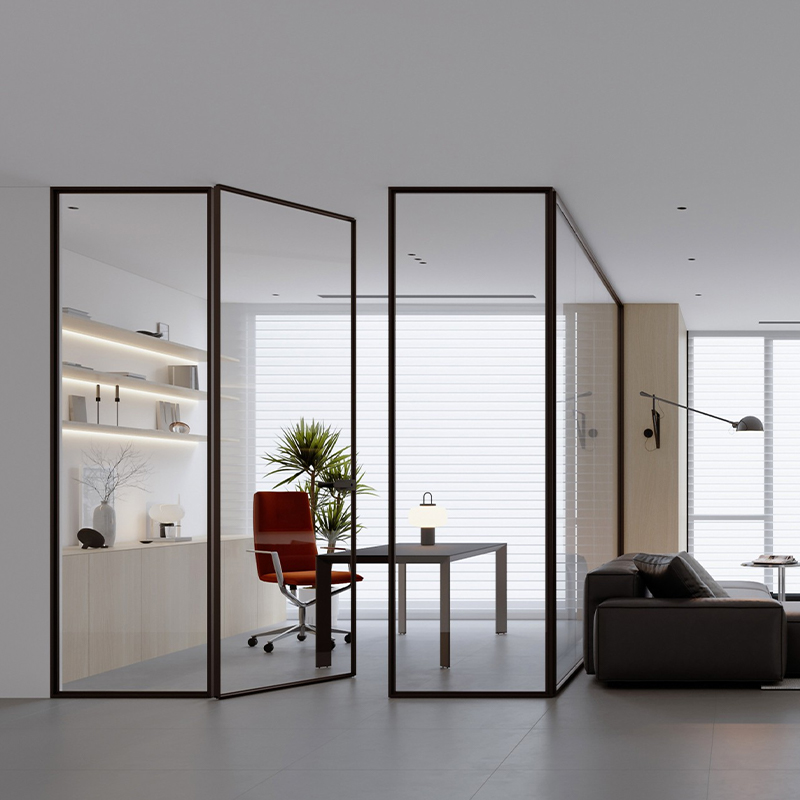 VIEW MOREIntegrated Wallboards
 -
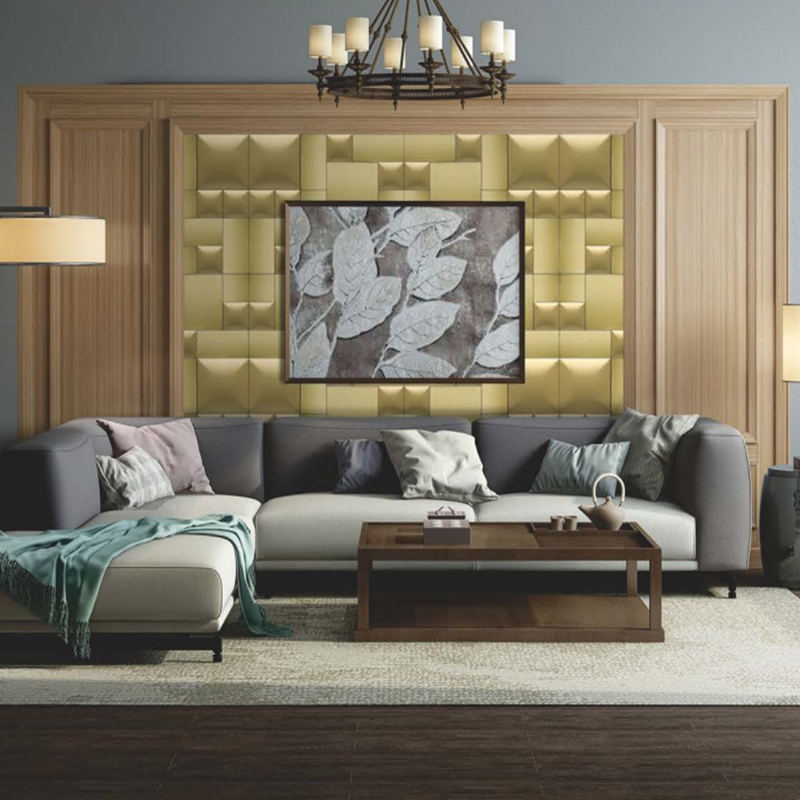
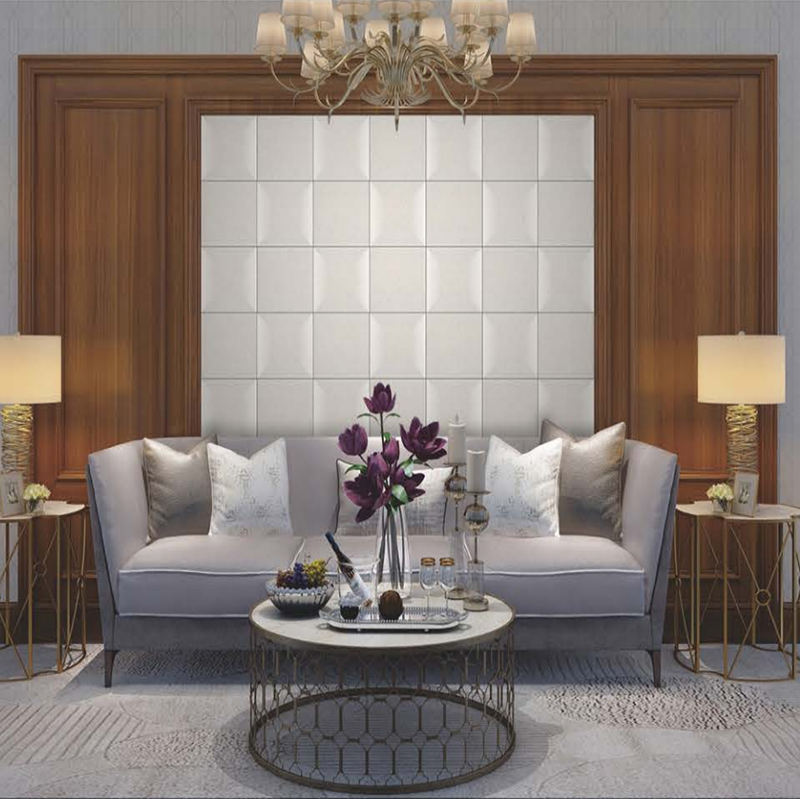 VIEW MOREWood Veneer Panels
 -
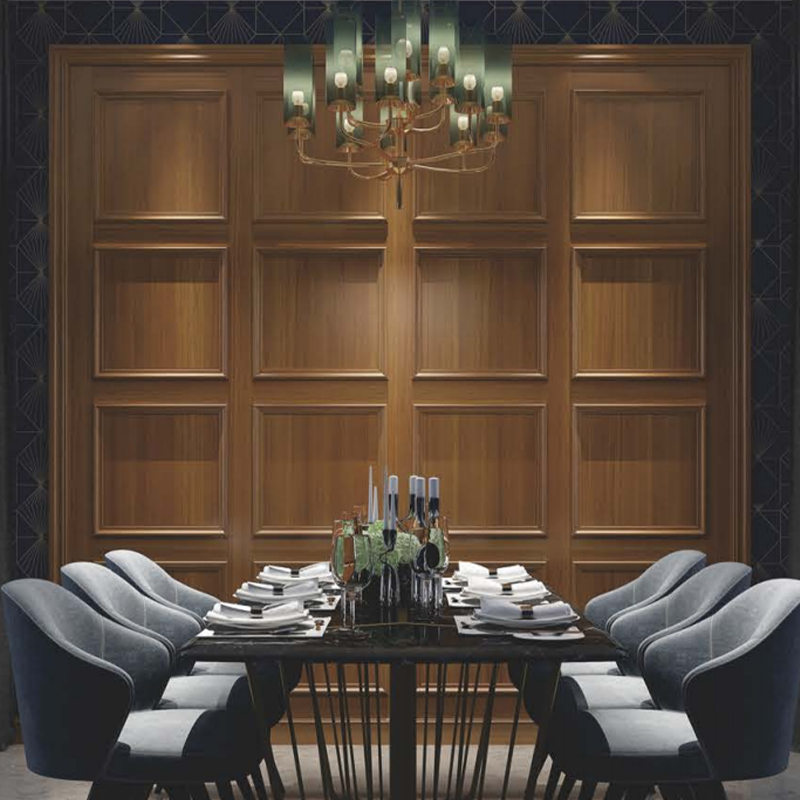
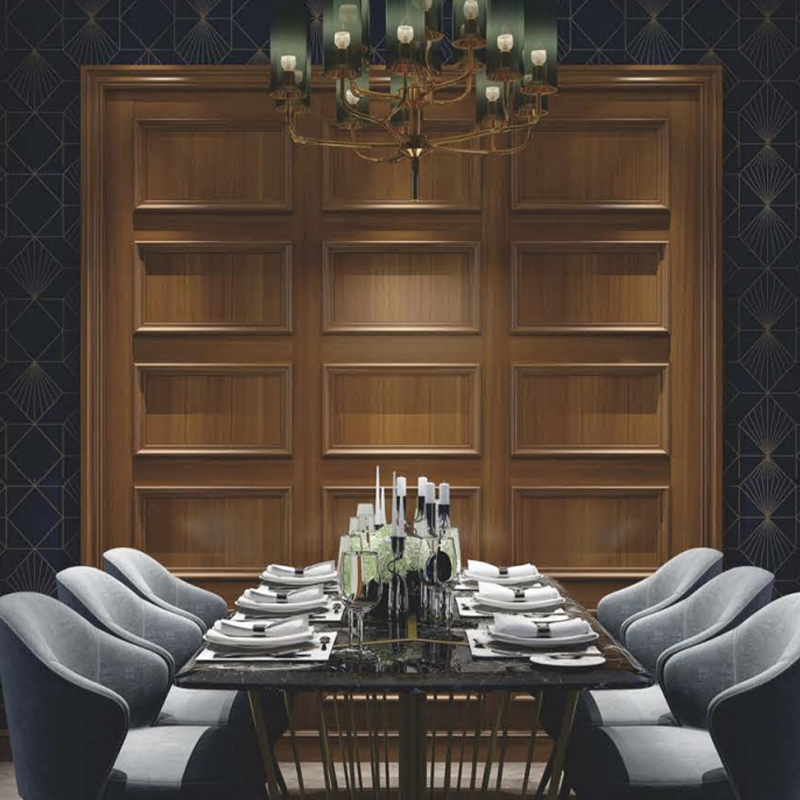 VIEW MORESolid Wood Panels
 -
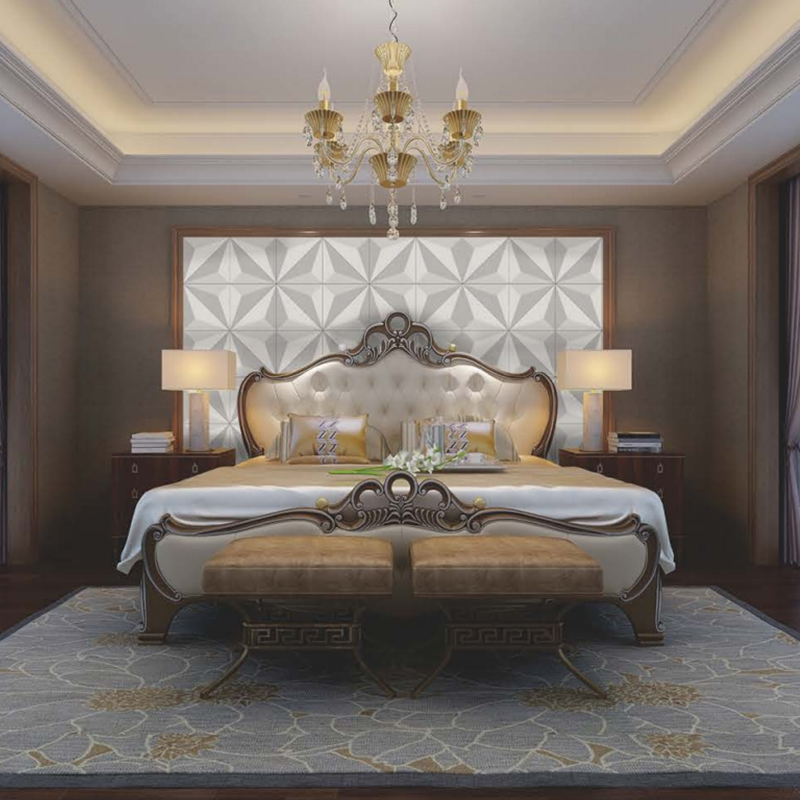
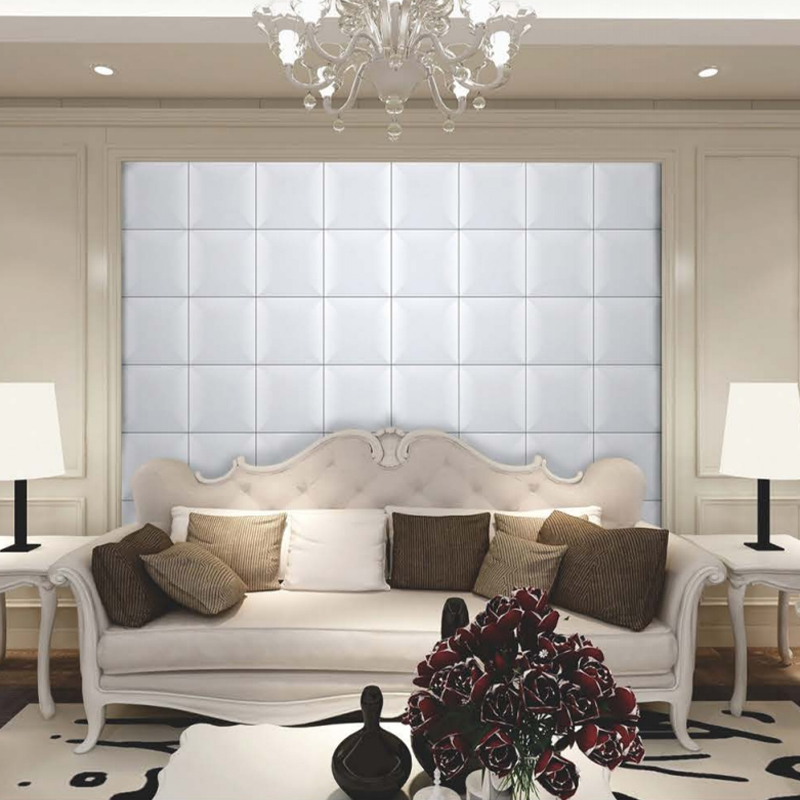 VIEW MOREPVC Wall Panels-PVC
 -
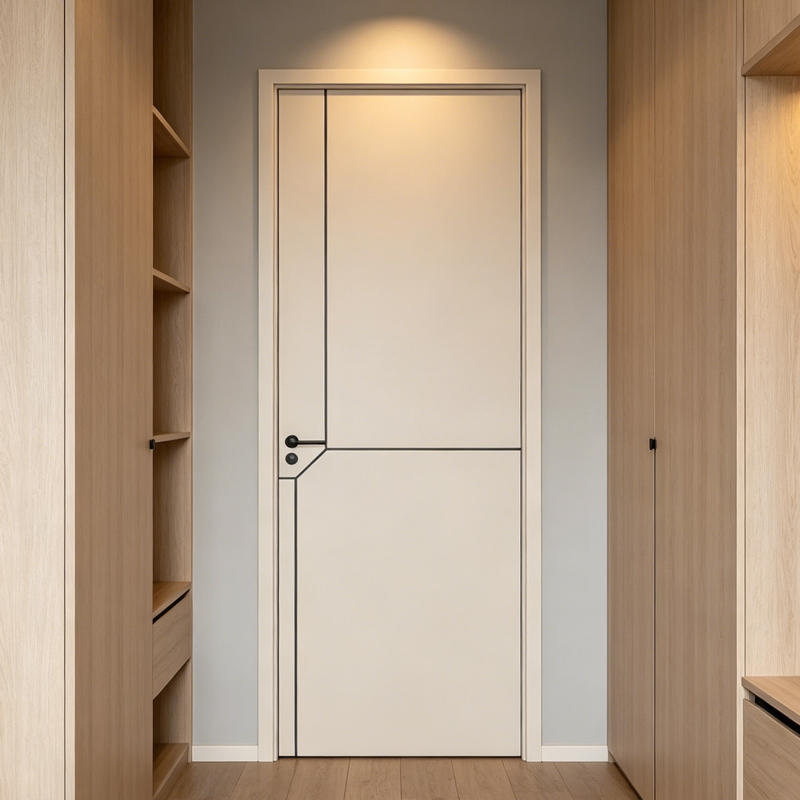
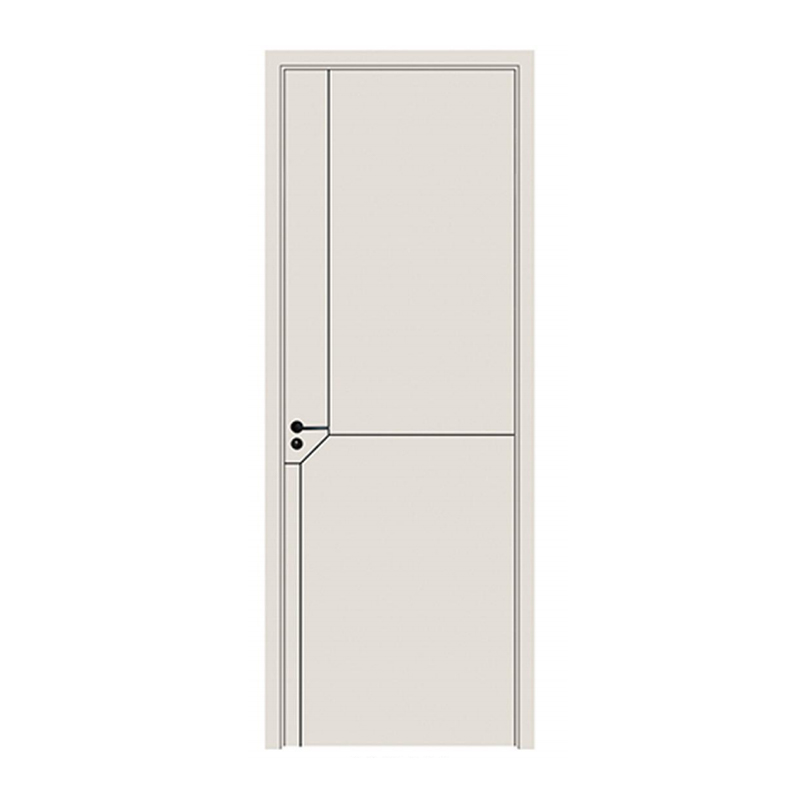 VIEW MORECabinet Door
 -
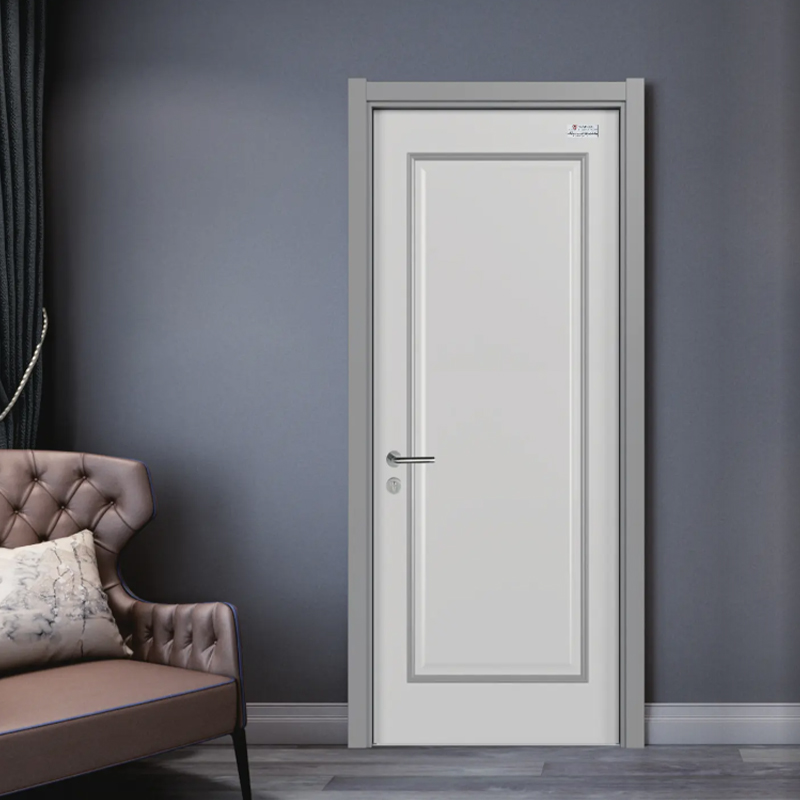
 VIEW MOREFire-rated Door
 -
 VIEW MOREWood Veneer Door
 -
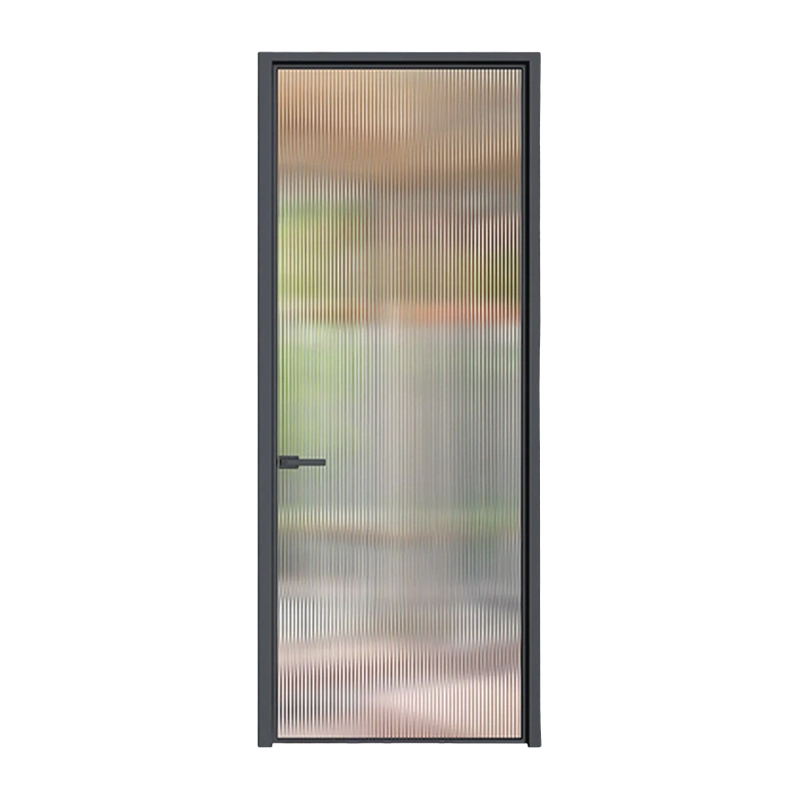 VIEW MOREAluminum Glass Door
 -
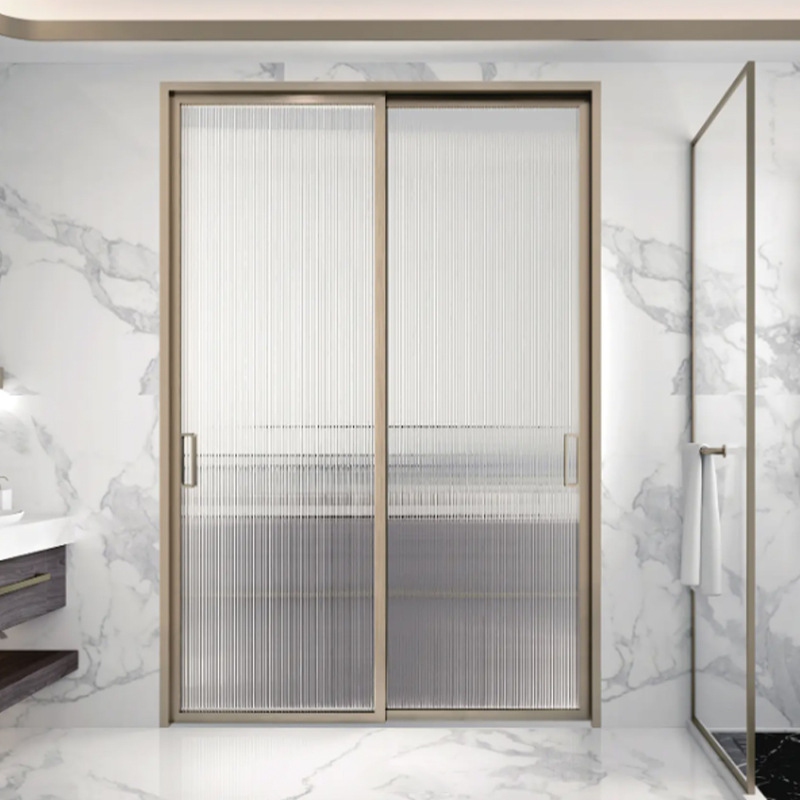
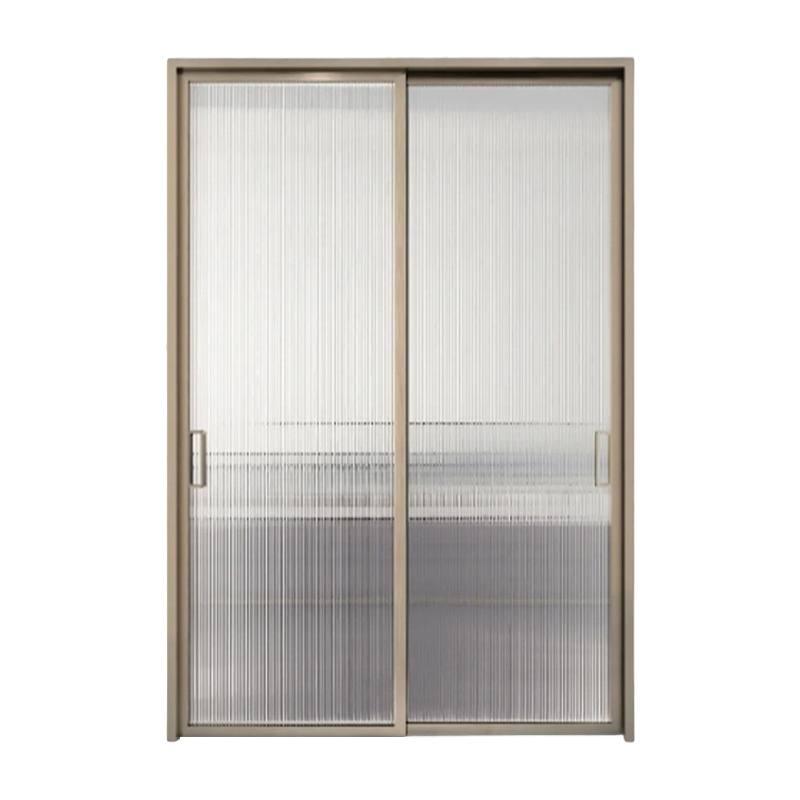 VIEW MOREBarn Door
 -
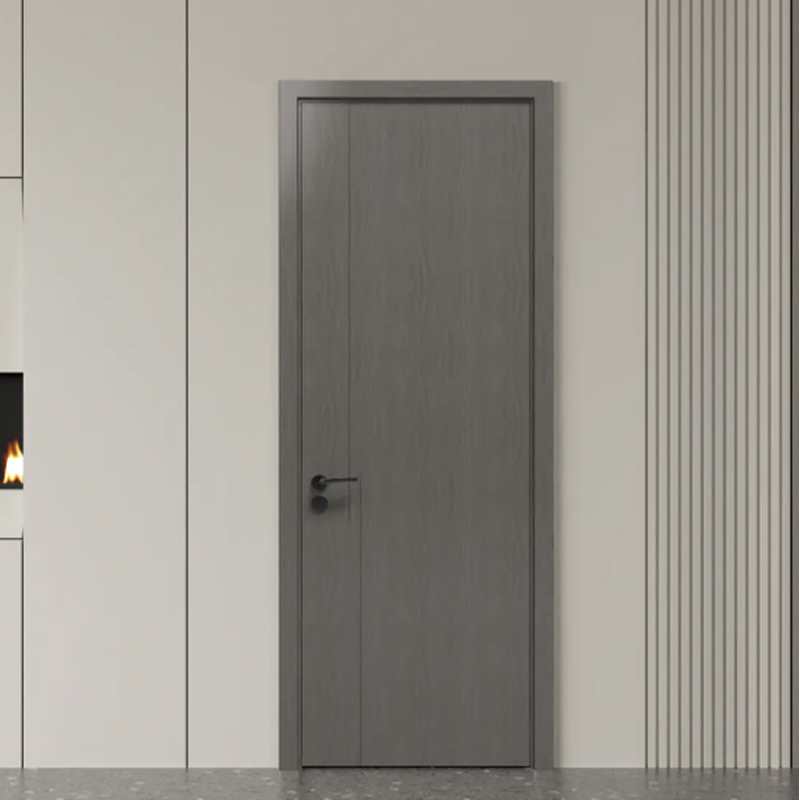
 VIEW MOREWPC Door
 -
 VIEW MOREMDF Combined Door


-
 Email: rainbow@toaofer.com
 -
 Mobile: +86-15300501061
 -
 Penglai Road 10#, Huangshan Economical Development Zone, Anhui Province, China.
Copyright © Aofer Hospitality Ltd.
All Rights Reserved.
 Wholesale Functional Accent Tables Suppliers